We’re exploring legend in the world of fine spirits today. What can I say – it’s a sacrifice but someone’s got to do it. 😂 I’m just thrilled to be in Fecamp at all, our 2024 attempt having failed spectacularly thanks to road works and bad tempers.
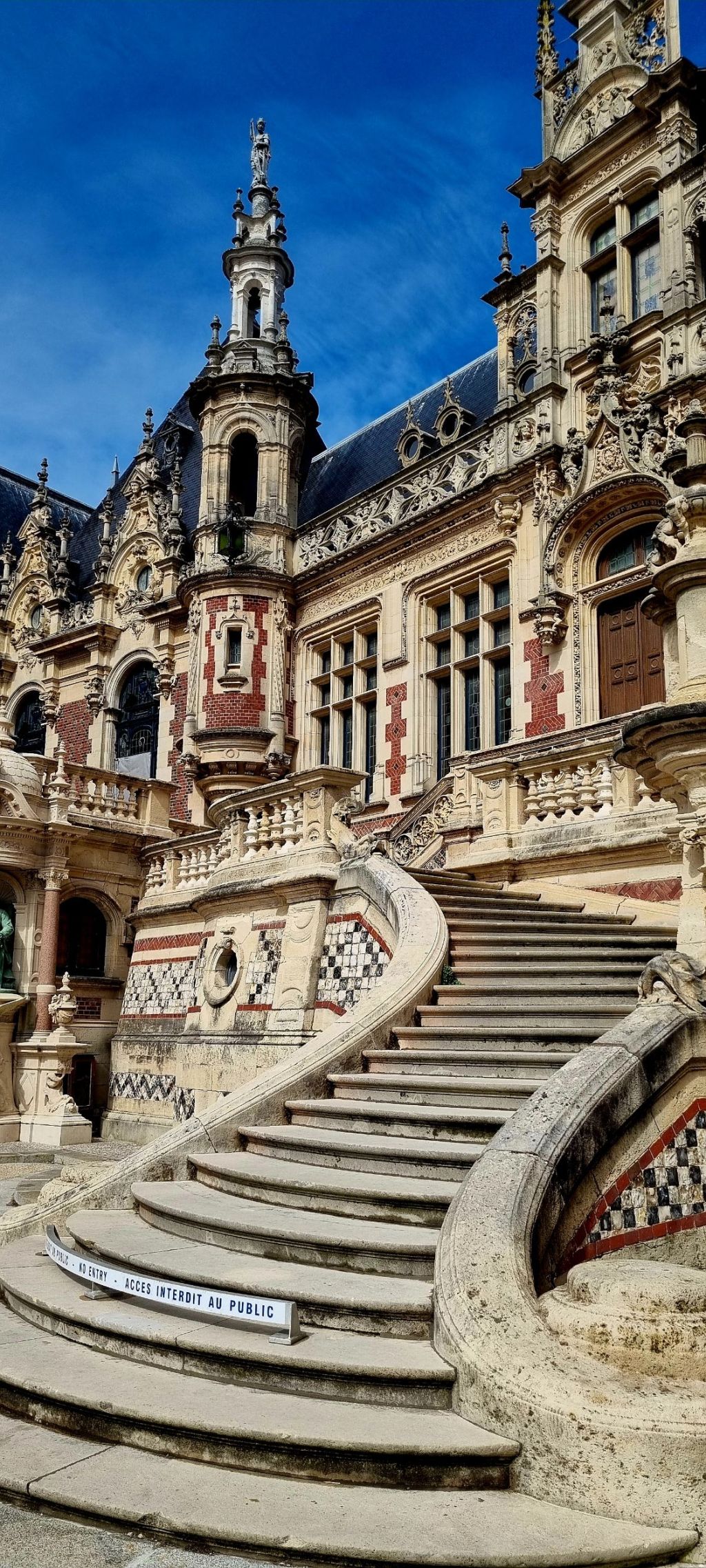
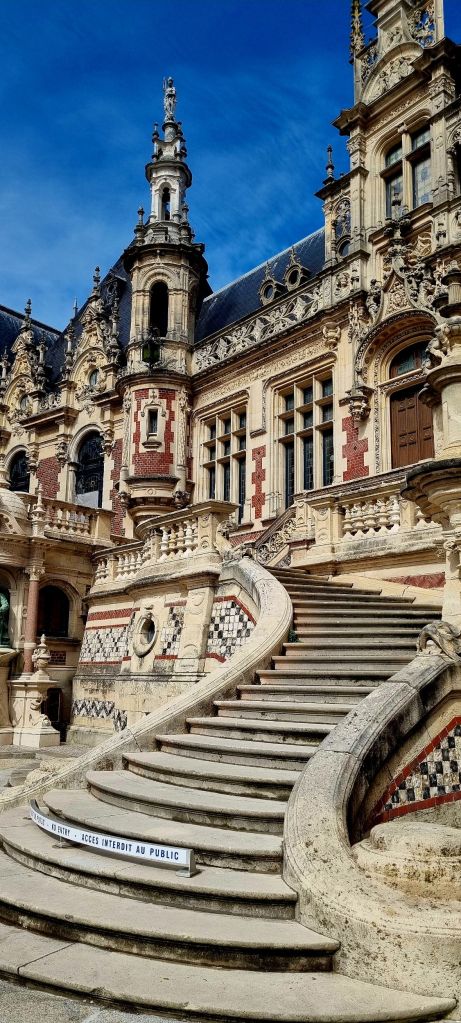
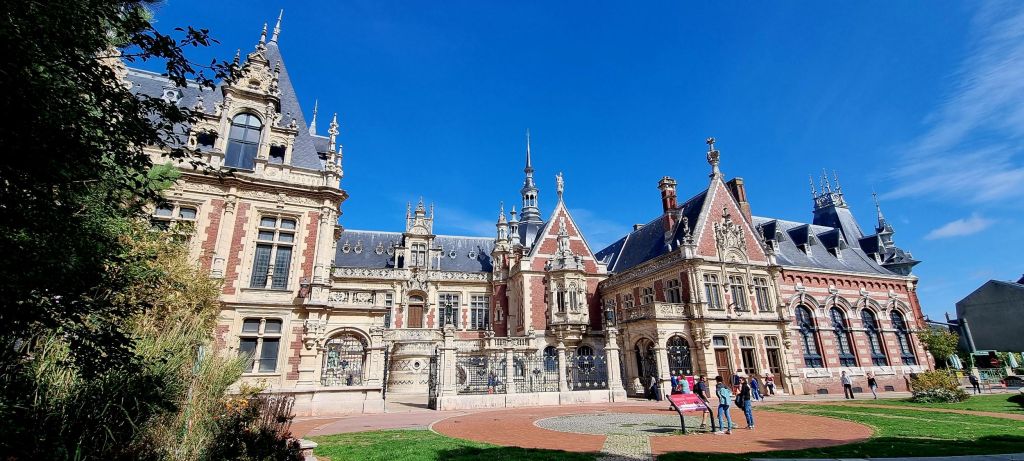
The objection of our attention is the gloriously opulent Palais Bénédictine. First suprise of the day, it’s not a palace at all, but rather home to production of Benedictine liqueur and a rather grand testament to its long lived success.
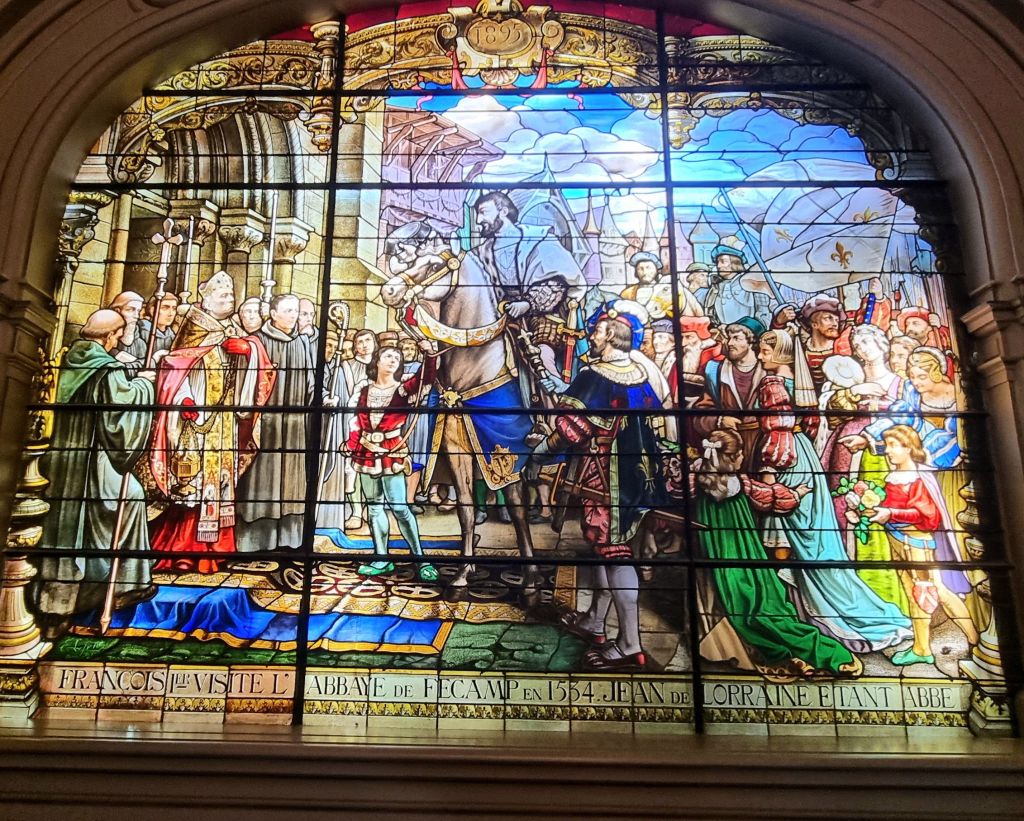
The legend of the liqueur’s creation is charm itself: in 1510 a Benedictine monk created an elixir from plants and spices that became so famed it caught the attention of the French court. Monks and liqueur pottered along nicely until dispersed during the French Revolution. When the last monk died in 1848 he passed the recipe manuscript on, Alexandre Le Grand inheriting it a few years later. Le Grand successfully recreated the elixir, launching it as Bénédictine in 1864 then going on to win a gold medal at the International Exhibition of Le Havre in 1868.
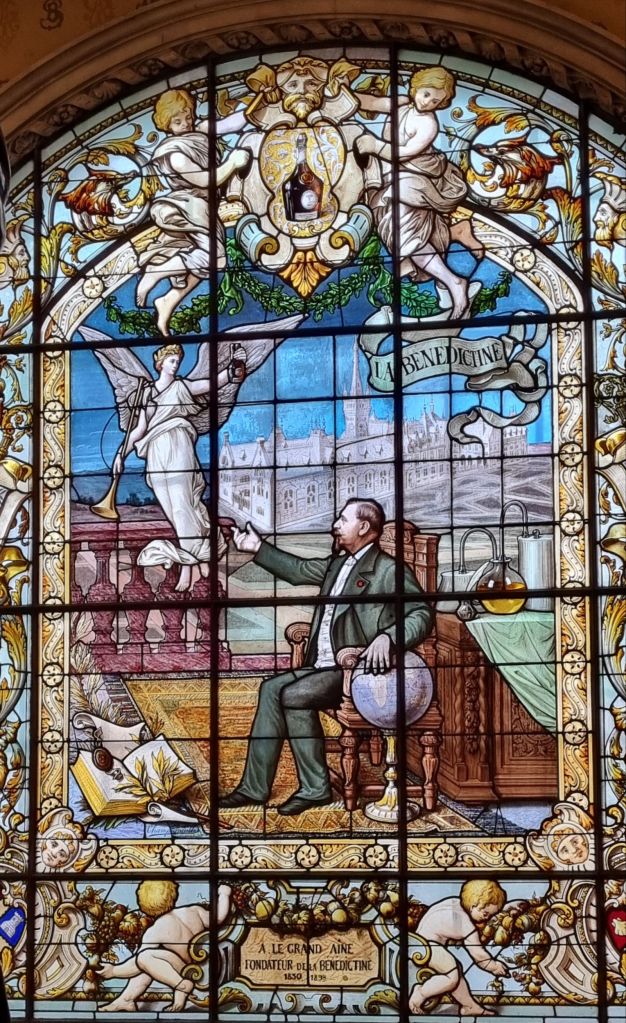
Now, I don’t know about you, but for me, that story doesn’t quite add up, to whit: monks’ secret recipes are fiercely guarded. How did one end up in private hands, a business man, no less? I turn to my friend Google with this query, only to find a rather more prosaic version of events: Le Grand didn’t inherit an historic monastic recipe – he invented Bénédictine in the 19th century with the help of a local chemist and created the backstory as a fabulous bit of marketing. Records show that Le Grand obtained formal permission to use the Bénédictine name and coat of arms from Rome’s Benedictine Order and adding the abbreviation D.O.M. (Deo Optimo Maximo: ‘To God, most good, most great’) to the bottle, the traditional motto used by the Order. Tying the drink to Fecamp’s famous but long gone Benedictine Abbey gave the brand instant historical prestige.
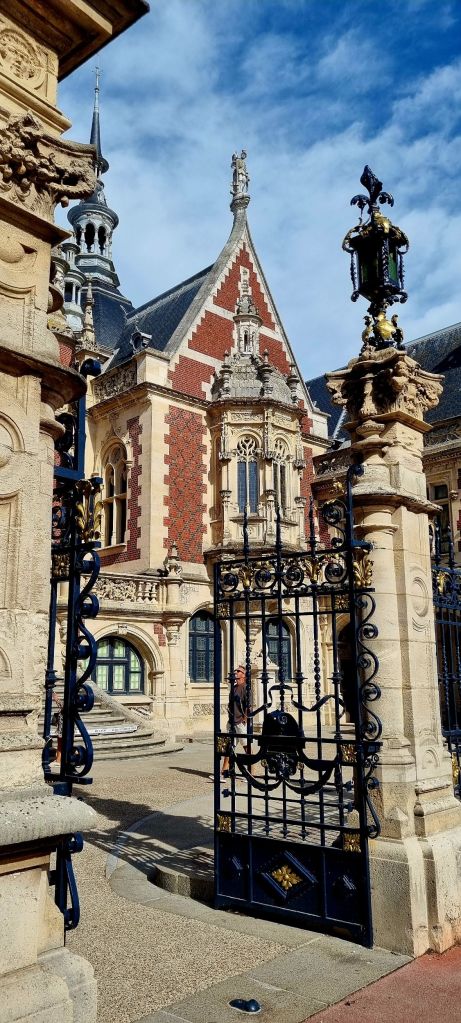
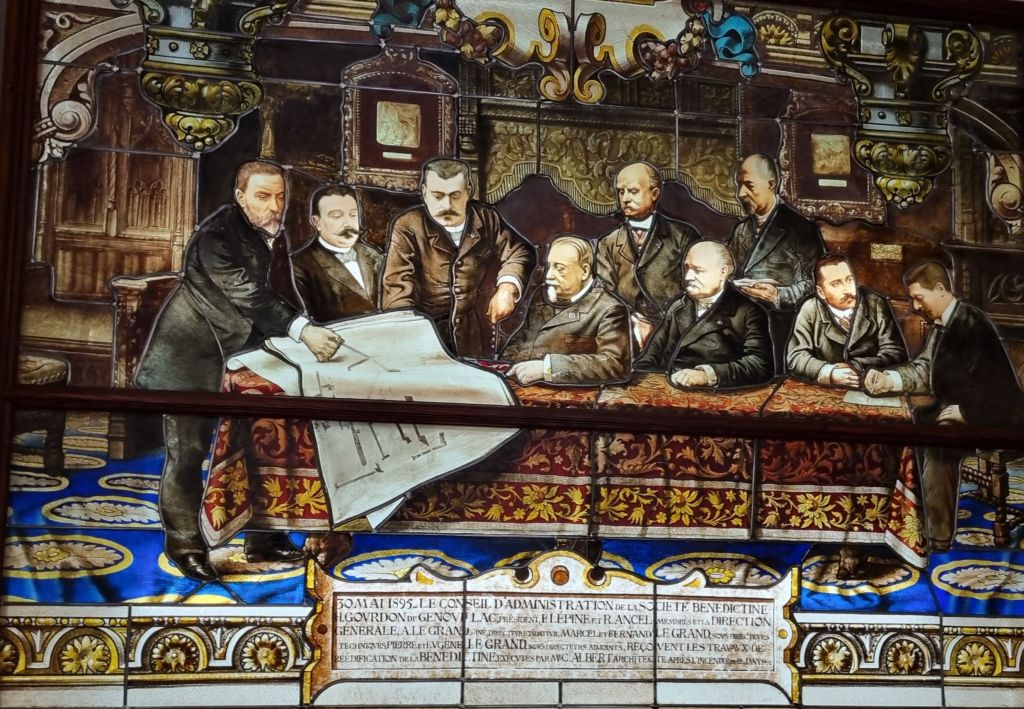
One thing everyone agrees on, is that following Bénédictine’s huge success, Le Grand built the extravagant Palais Bénédictine, employing architect Camille Albert who drew inspiration from the Norman Renaissance, Loire Valley châteaux and Flemish architecture for his design. It’s quite the mix, a unique building and an early example of industrial tourism, serving as both the distillery and a museum open to the public.
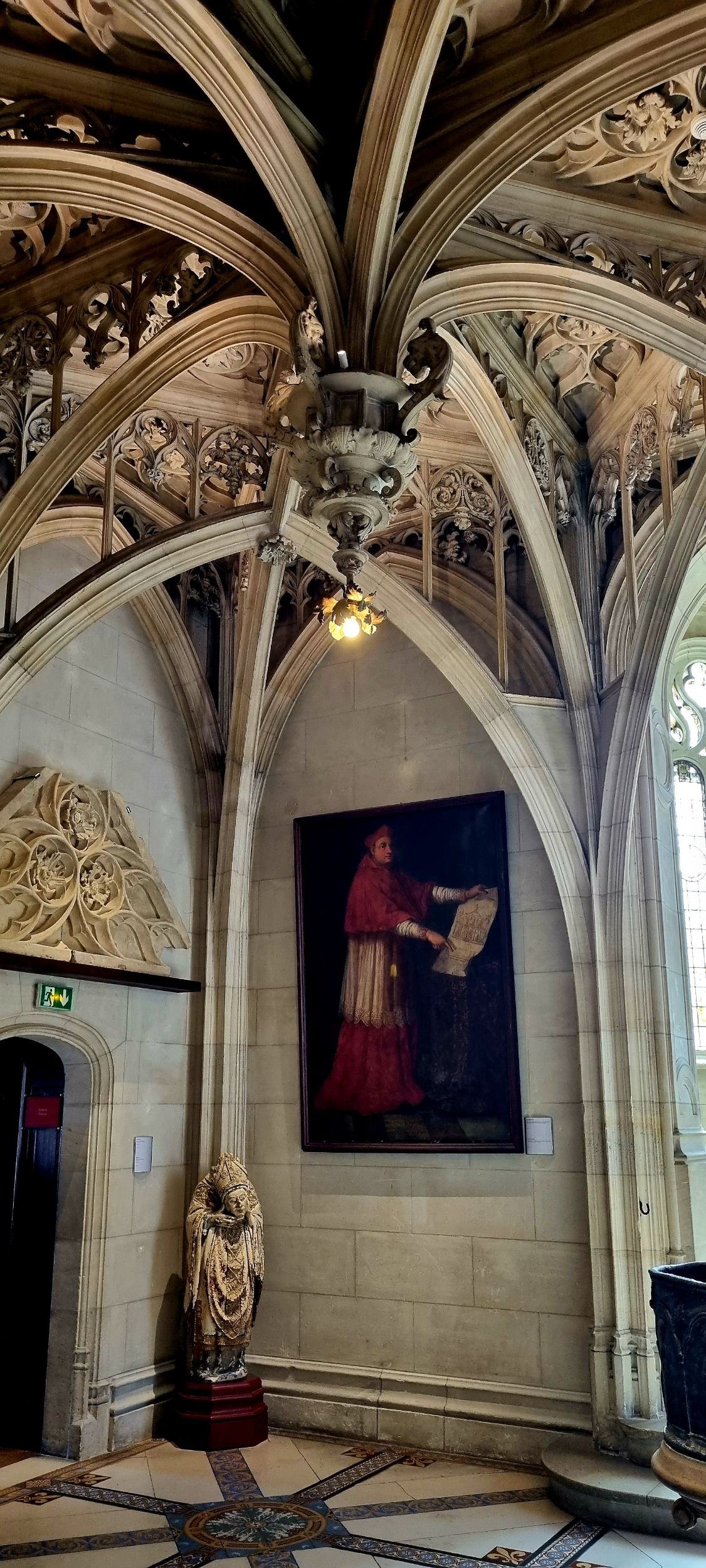
The interior is richly decorated with stained glass scenes depicting the liqueur’s history, intricate ceilings and mouldings.
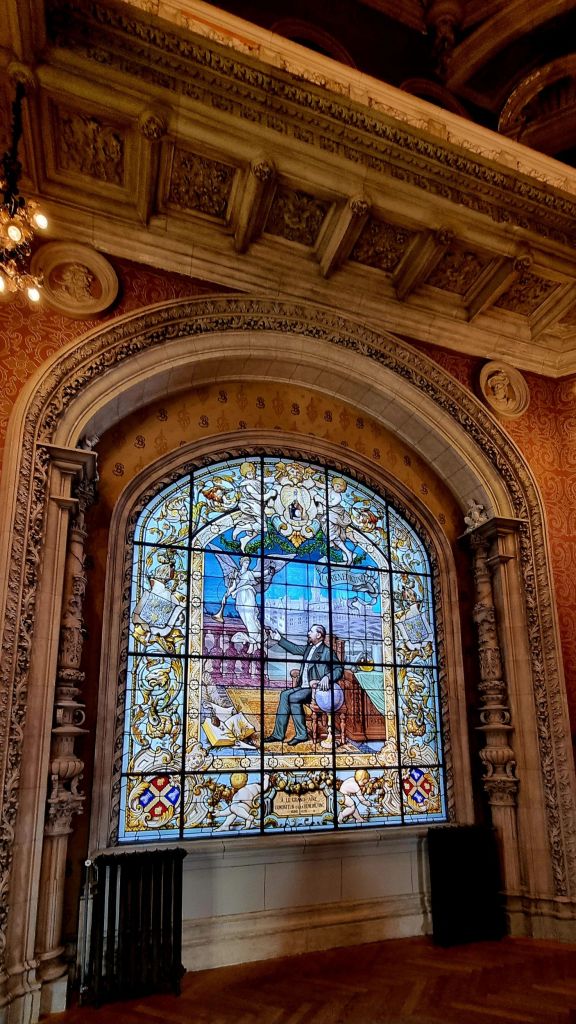
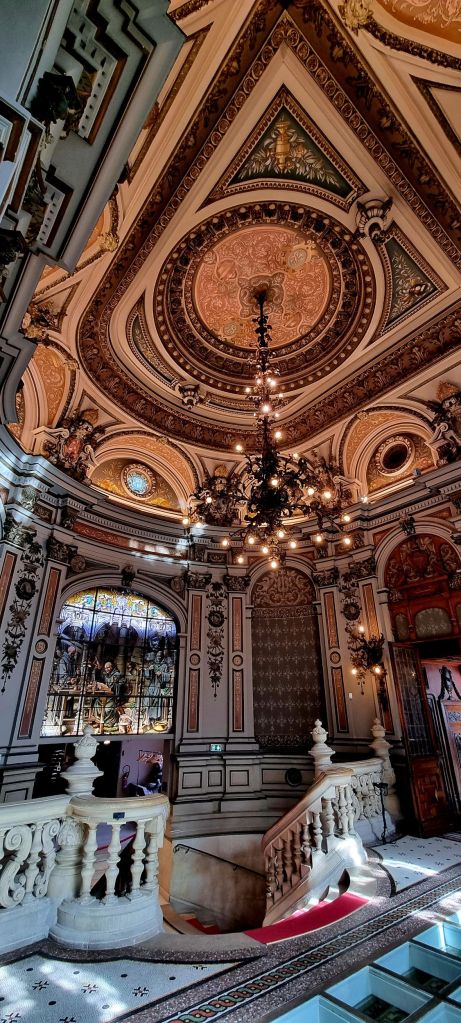
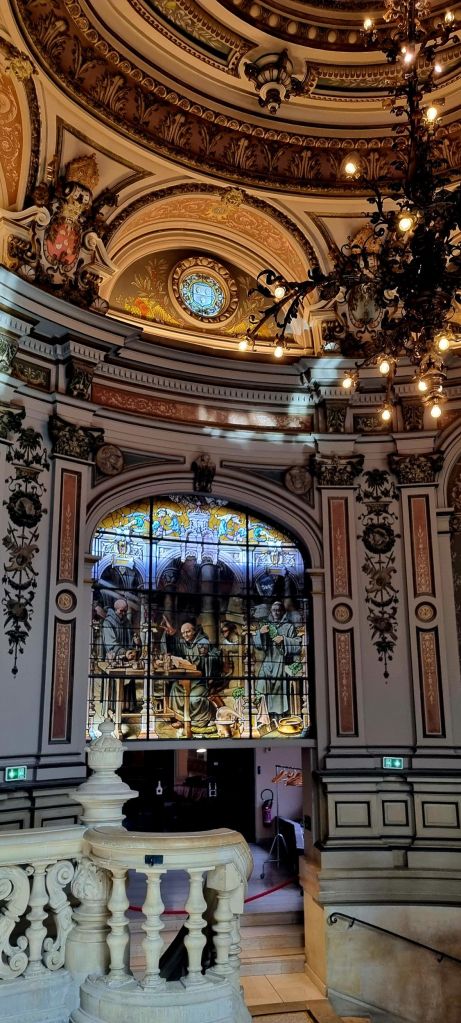
The venue is often used for events – a wedding most recently it seems, the perfect fairytale setting. They’re in the bump out process as we pass.
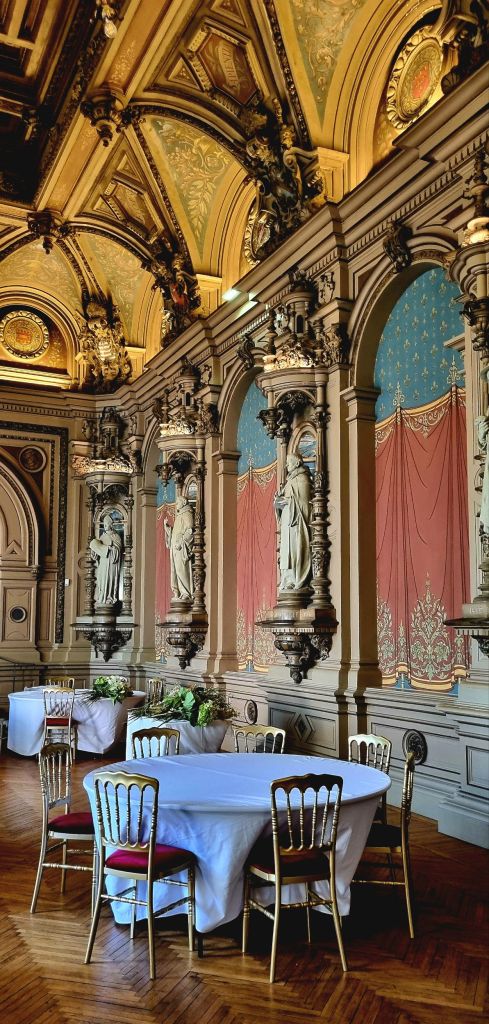
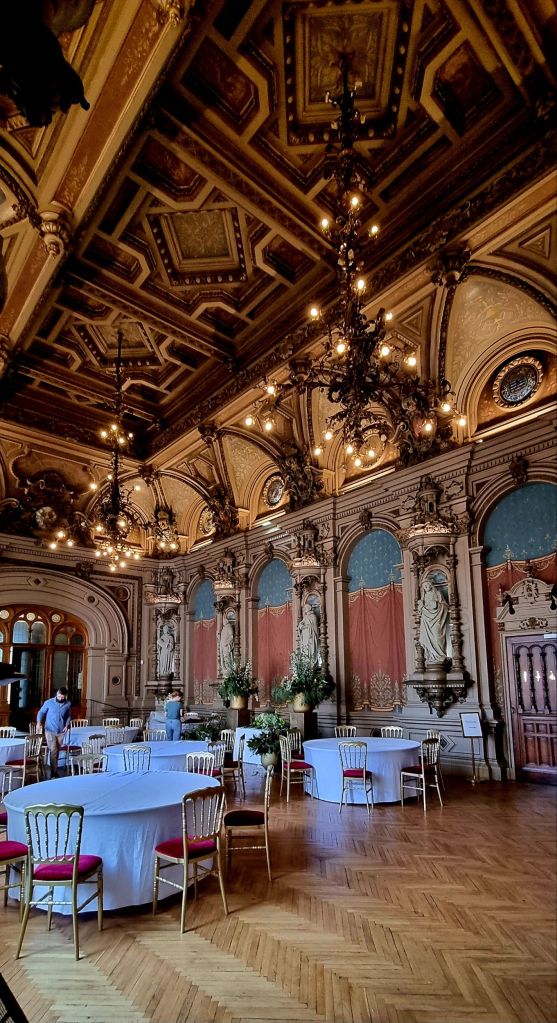
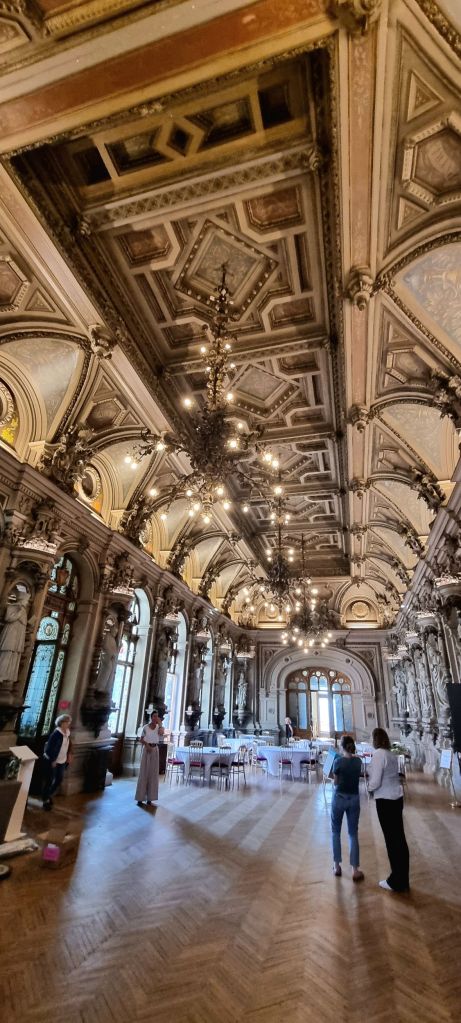
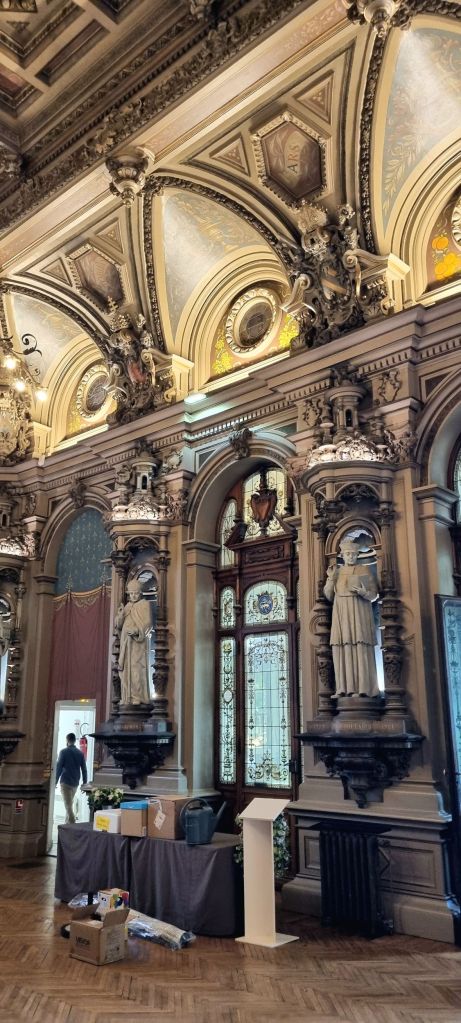
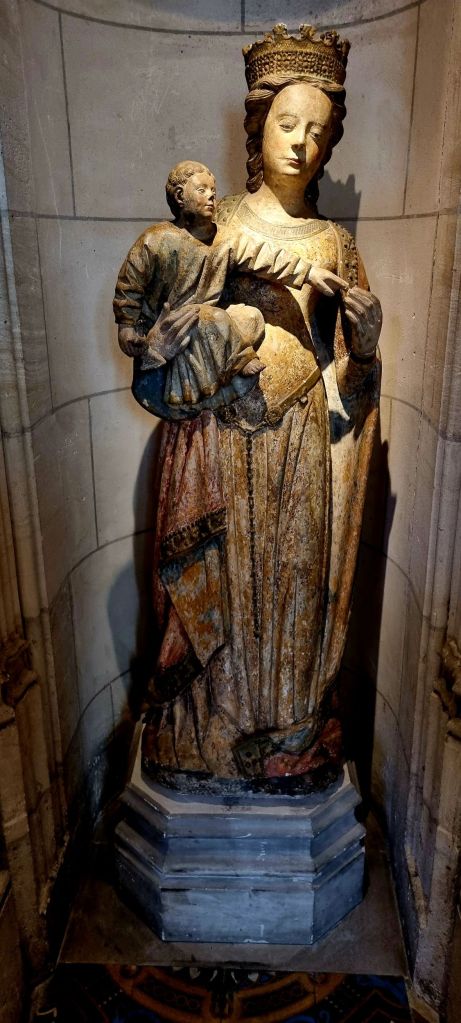
Our tour of the Palais consists of three parts, starting with a self guided museum tour with displays through the history of the liquor, religious artifacts from Fecamp’s Cathedral and collections of curio cabinets. A helpful audio guide details the background of each display.
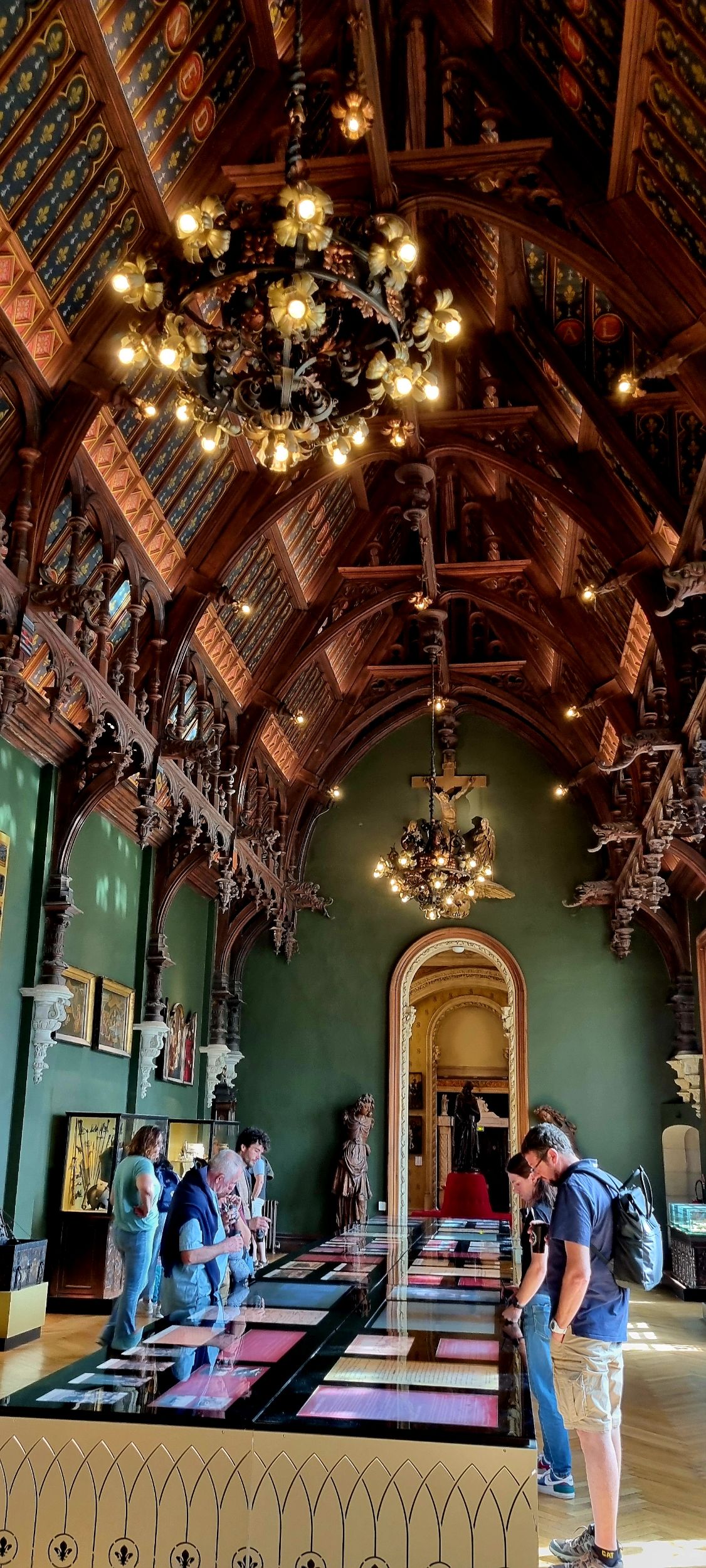
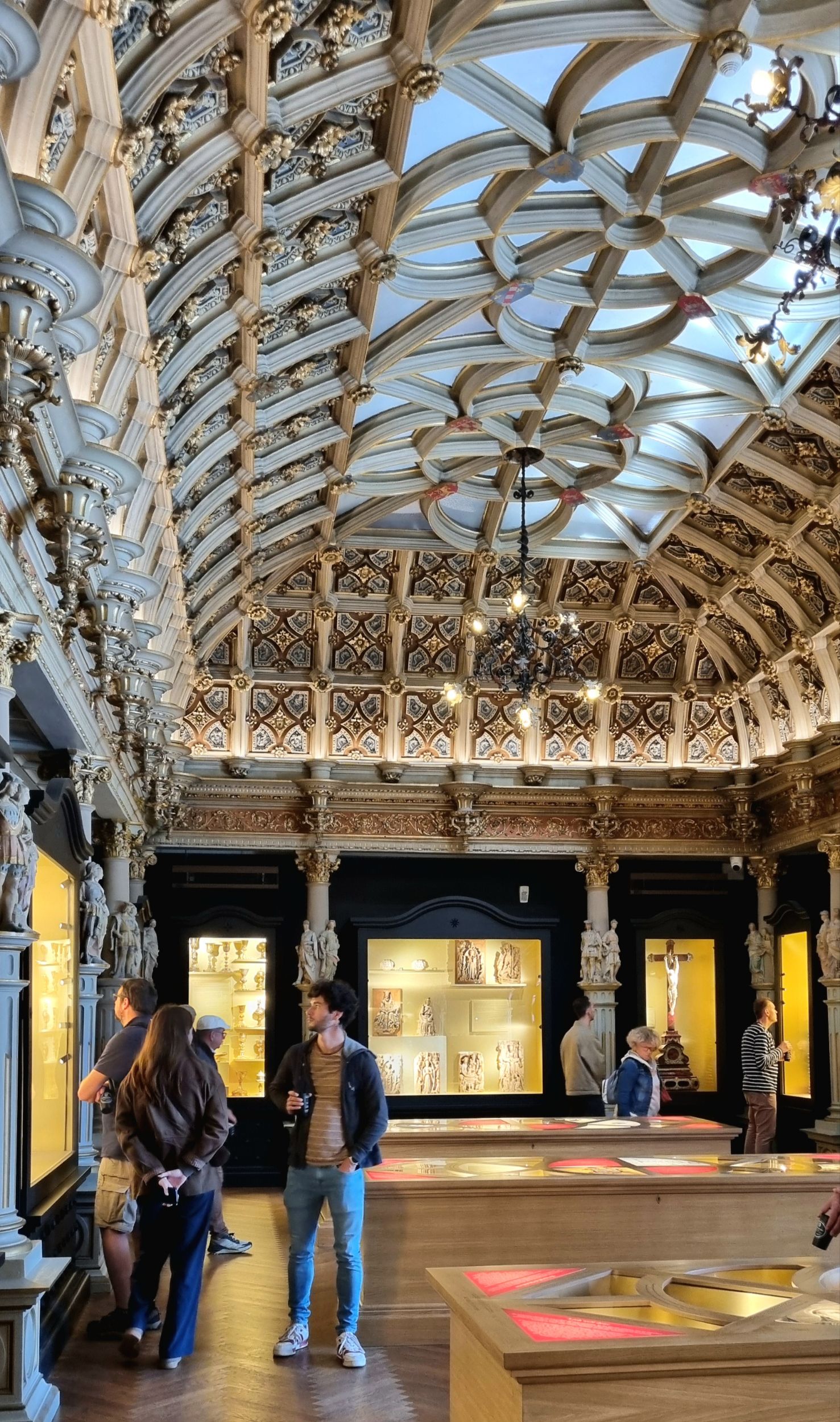
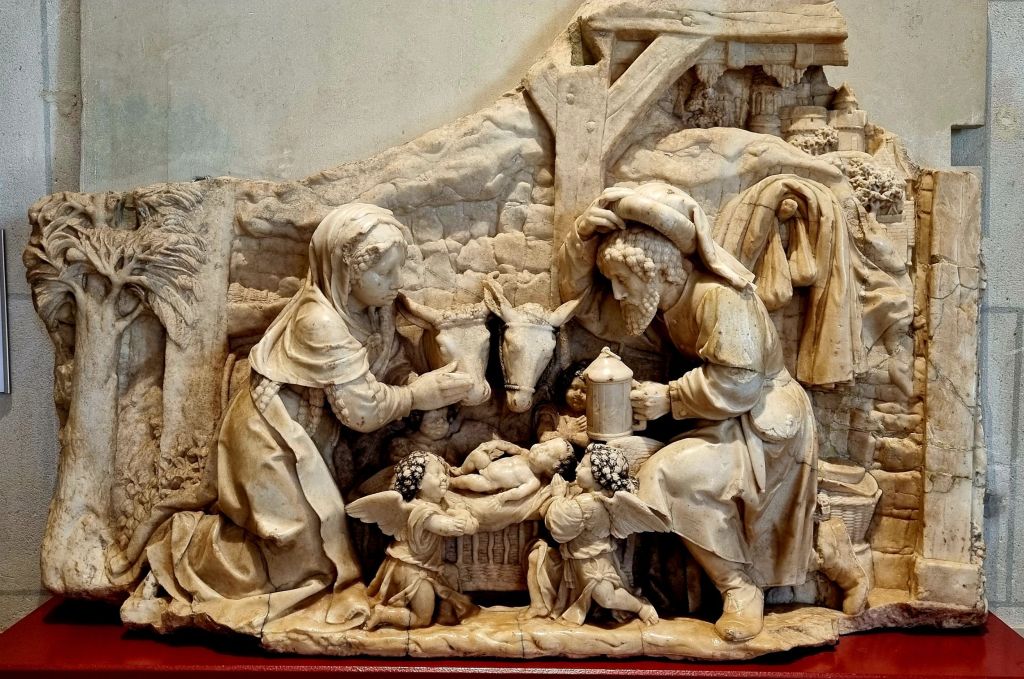
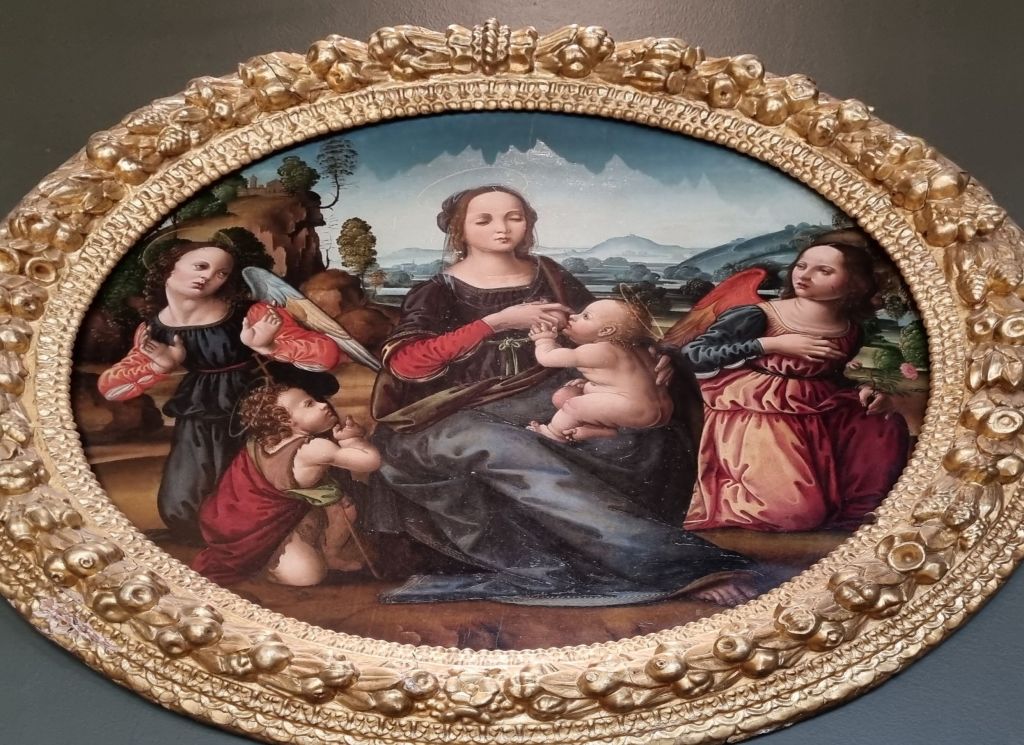
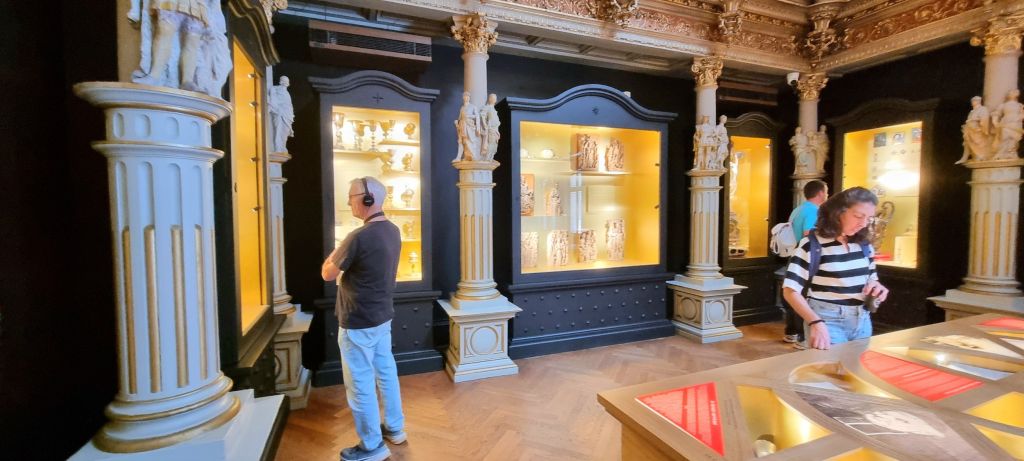
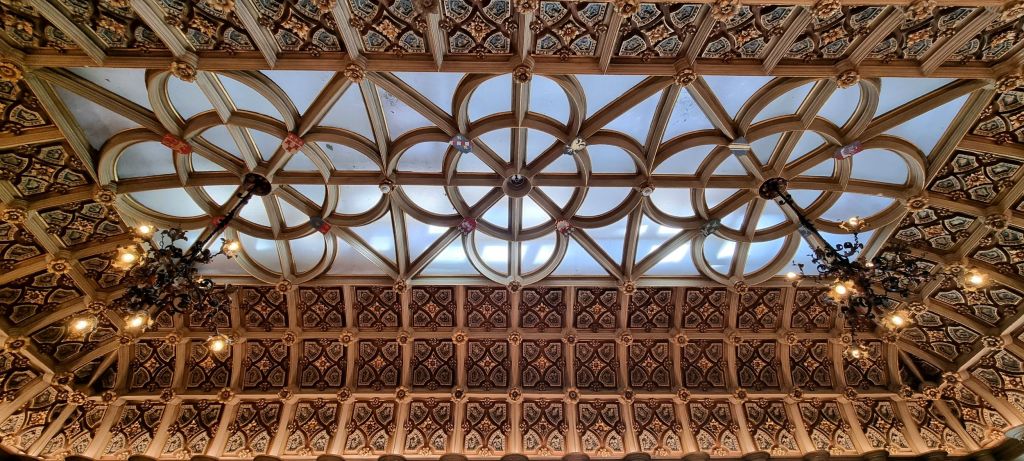
The museum has magnificent ceilings.
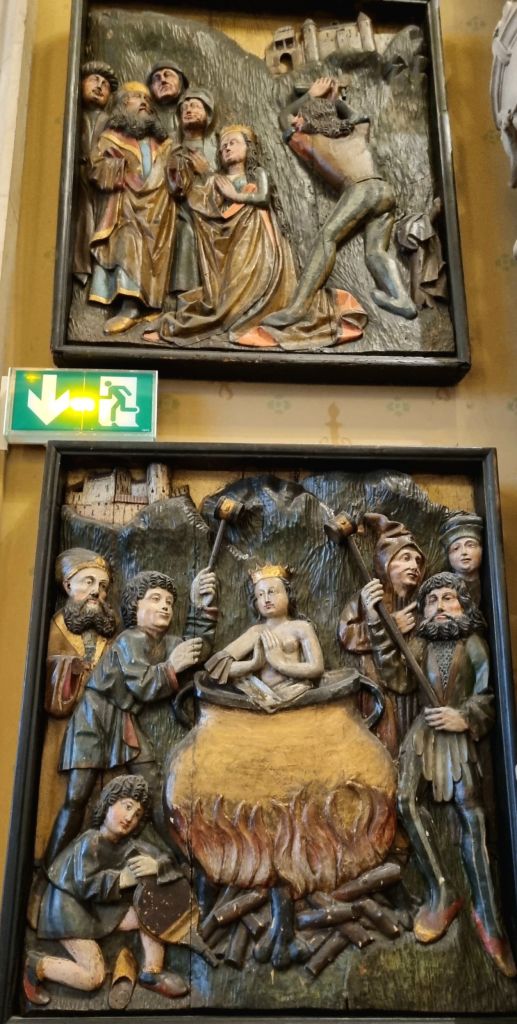
Saint Marguerite appears beatific in acceptance of her martyrdom. The irony of an exit sign between her capture and boiling is not lost on me…
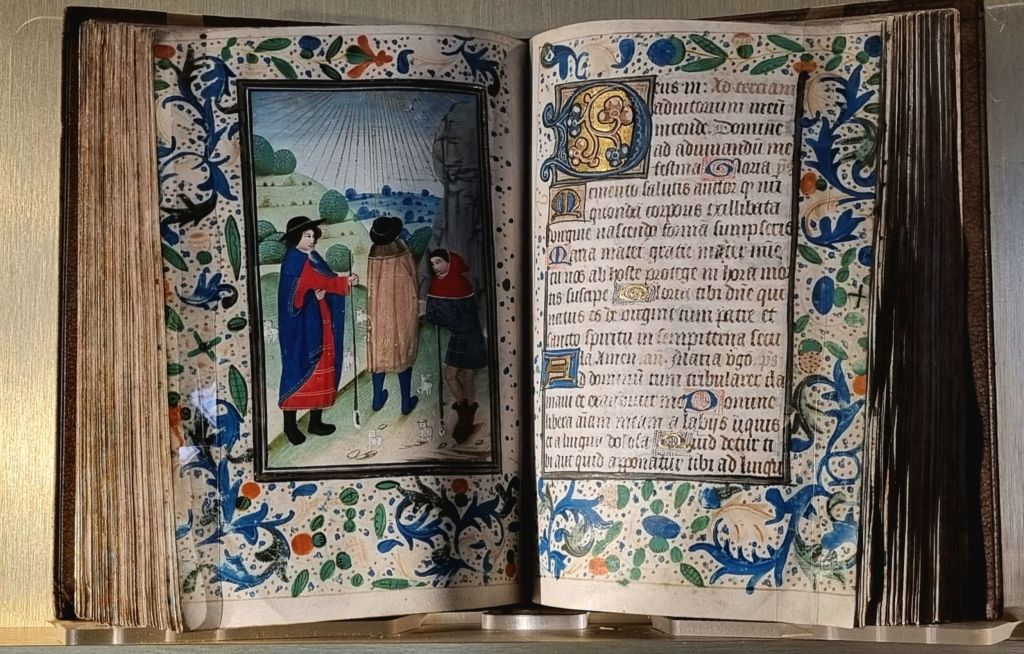
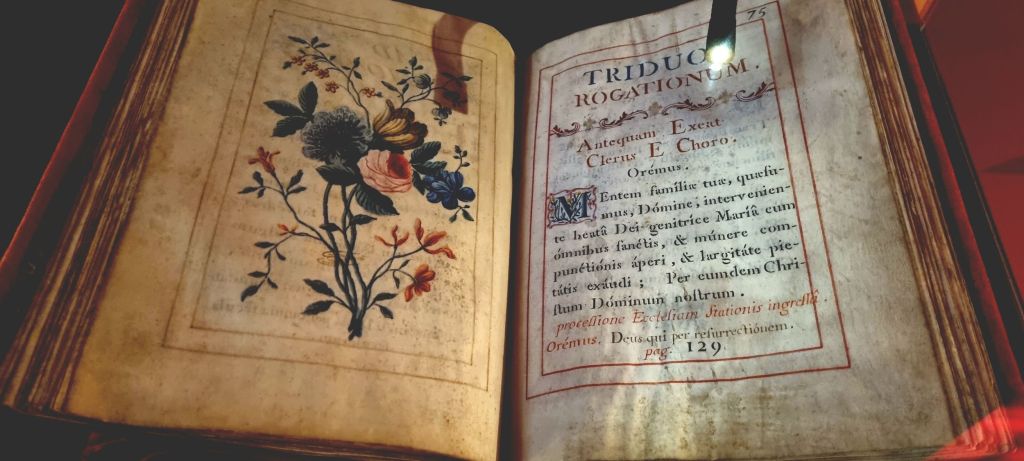
My favourites are the beautifully illustrated texts,
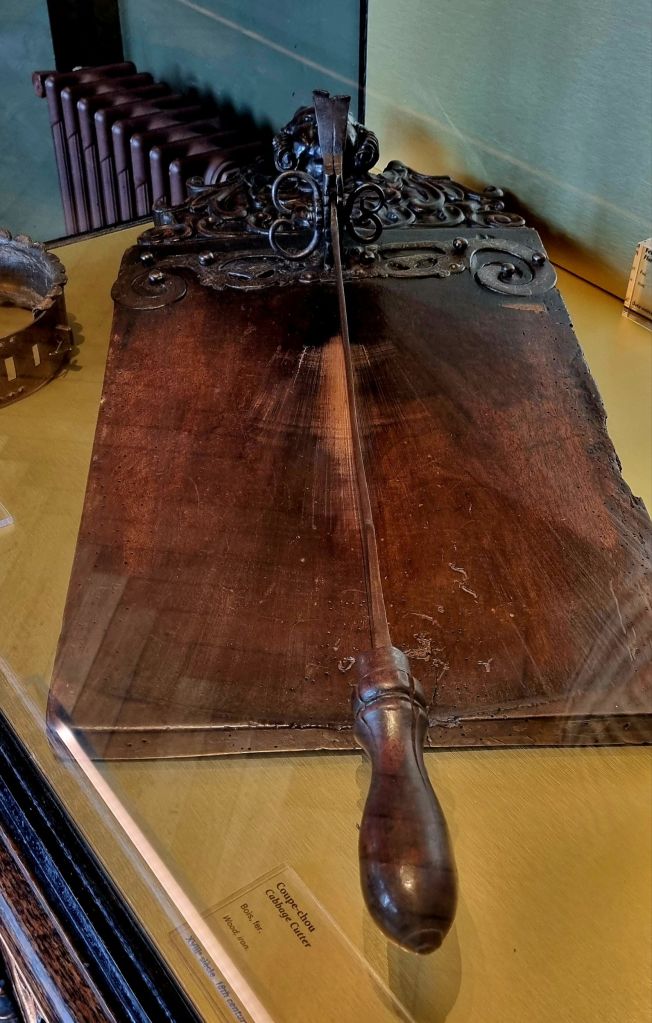
this rather fabulous bread guillotine (want, very badly),
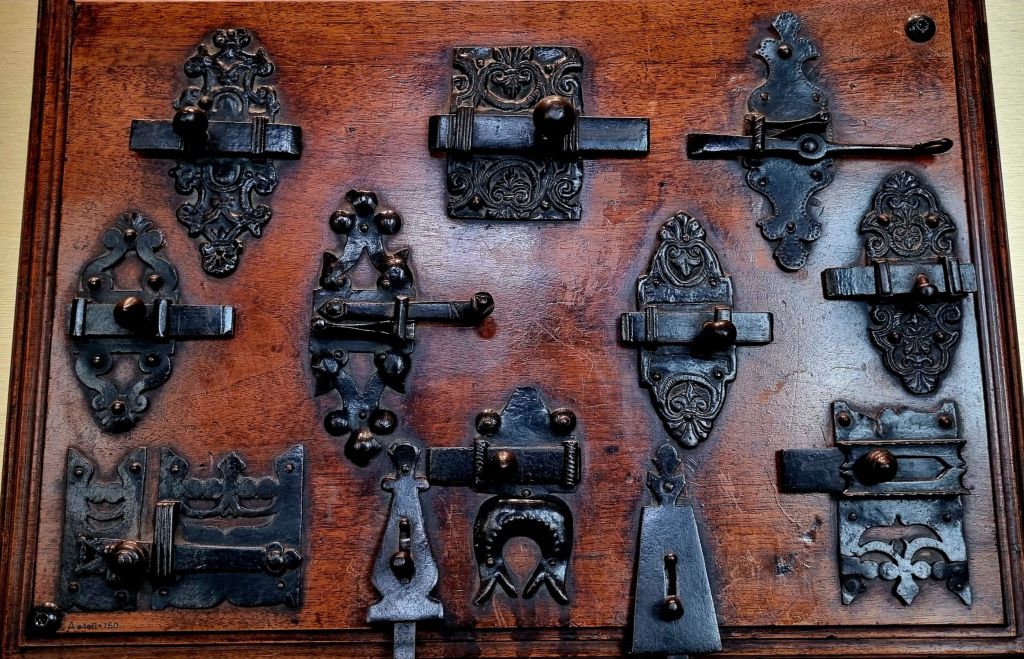
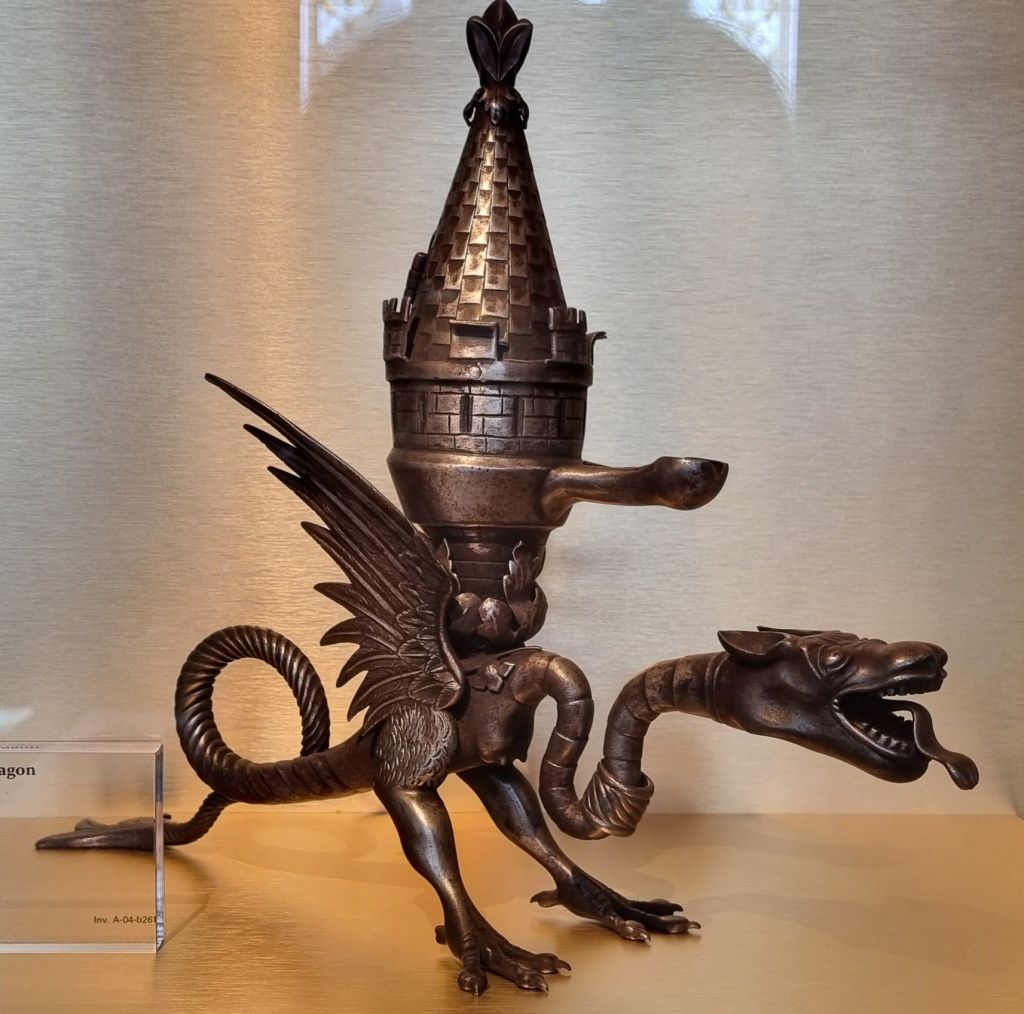
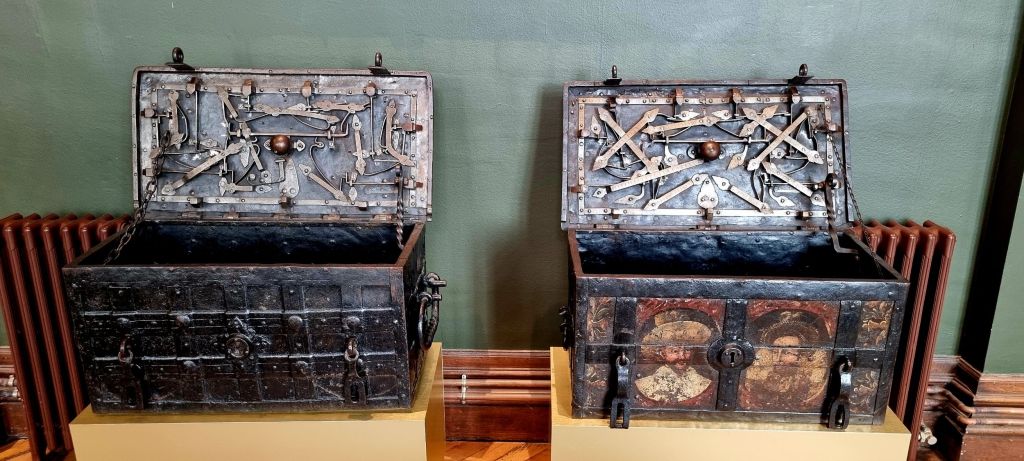
a small but fierce dragon oil lamp and the complex locking systems in a display of Nuremberg safes.
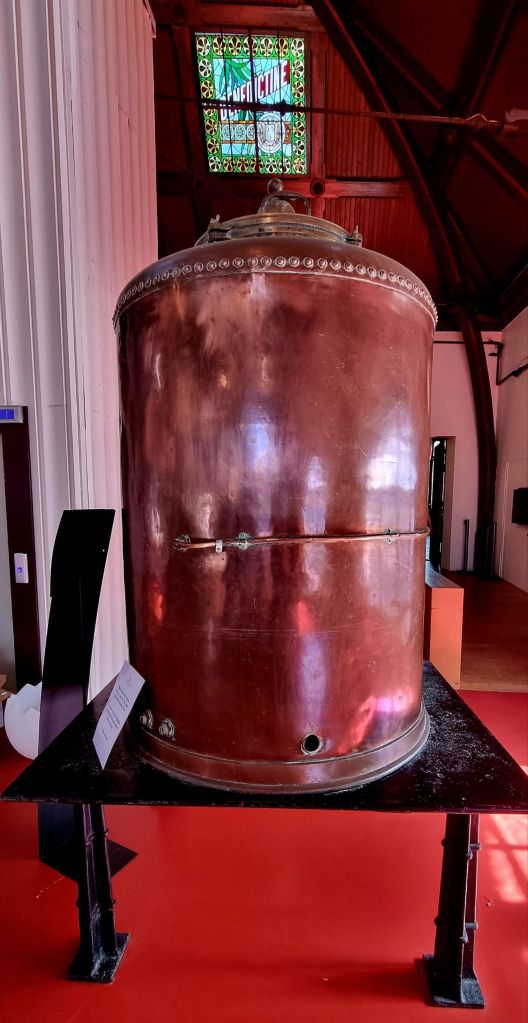
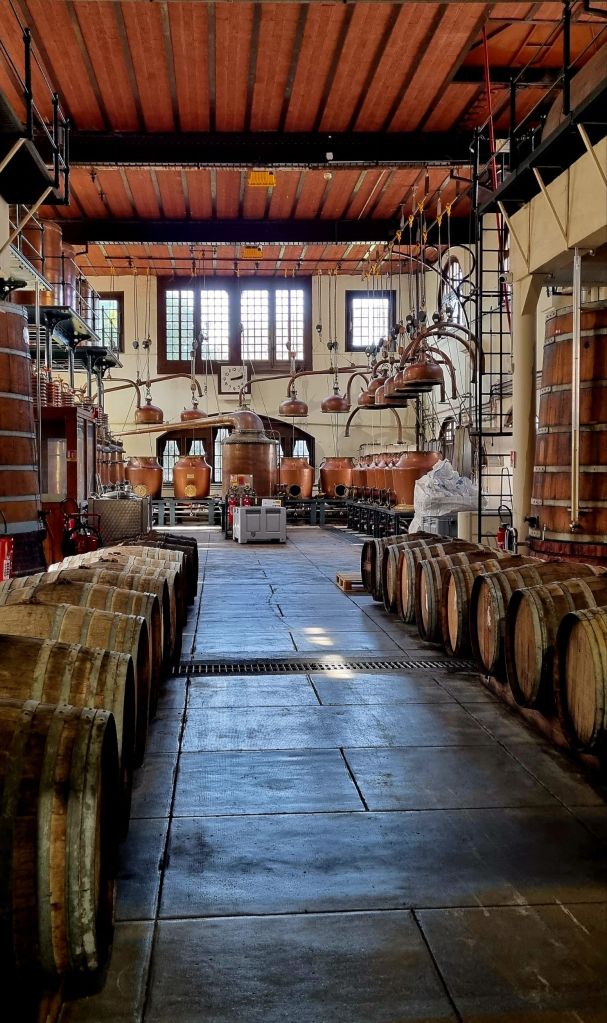
We learn of the brand’s rapid expansion: Alexandre Le Grand was appointed official supplier to Emperor Napoleon III and as a result the liqueur’s reputation grew both in France and internationally. One of the original copper stills is on display.
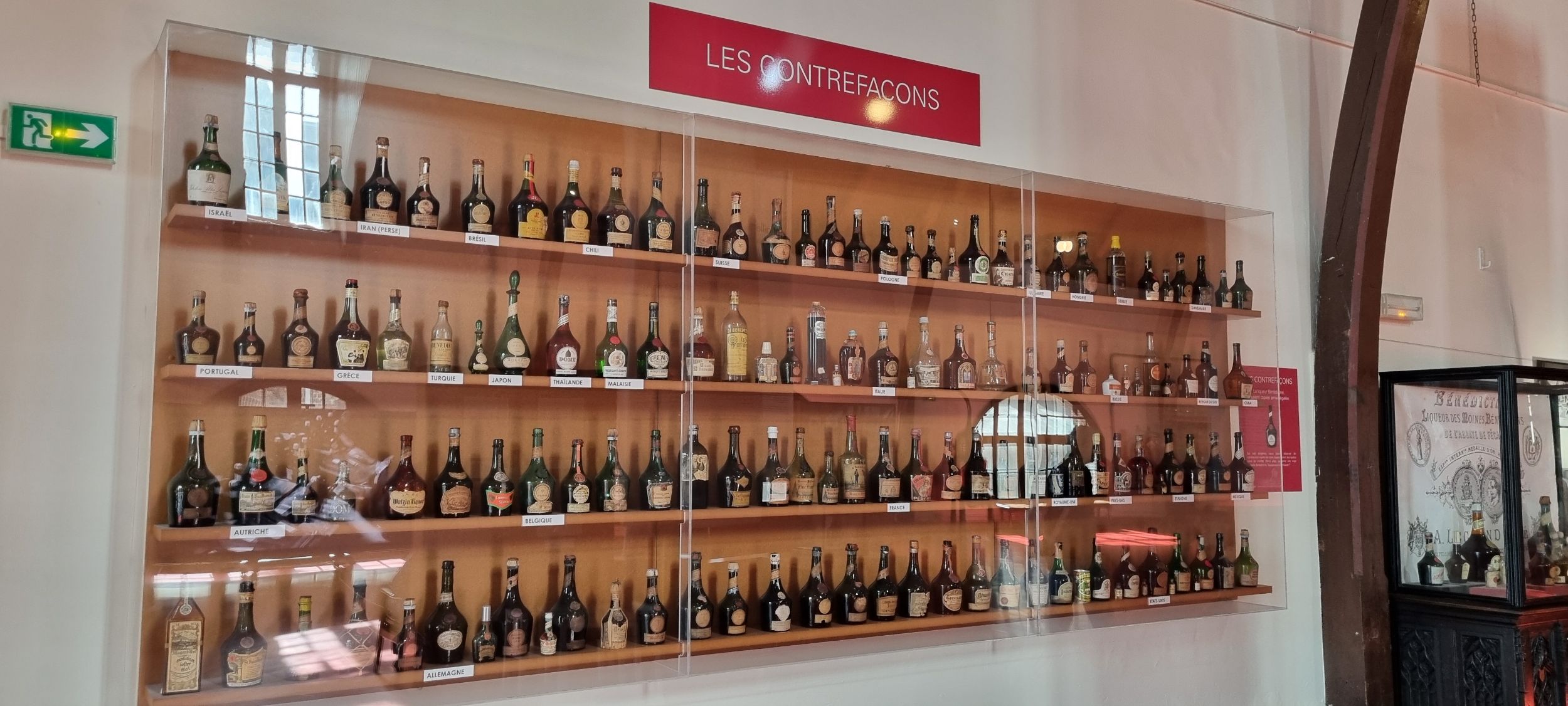
Part of Bénédictine’s continued success lies in successfully protecting its brand. In the Room of Counterfeits we see international copycats and learn that Le Grande secured a major victory against counterfeiting in the United States in the late 1880s sending a clear message to those looking for a shortcut to success. A display case of counterfeits shows those who’ve tried…
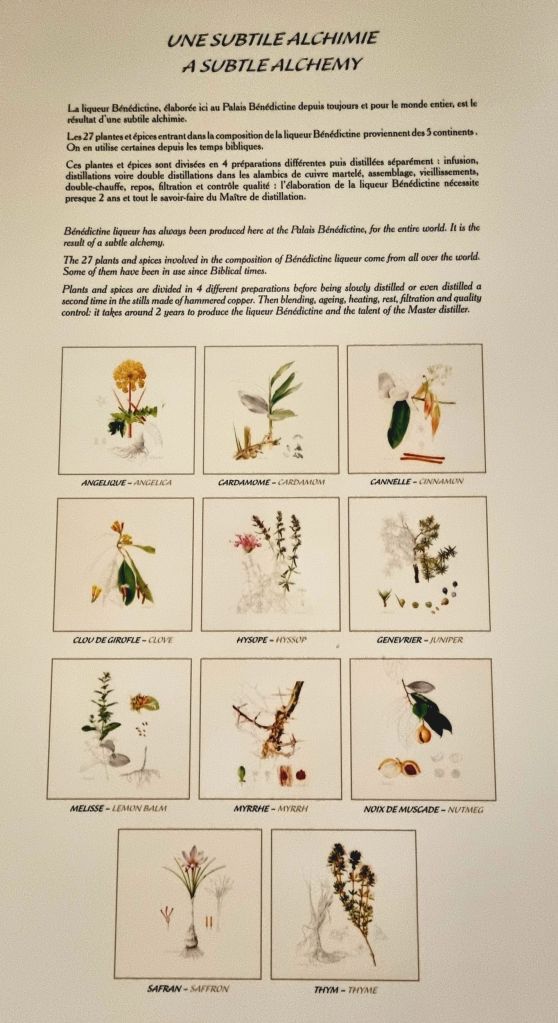
The museum is followed by a guided tour of the underground production rooms. The audio guide isn’t as helpful here – it’s clear that the French speakers are told a lot more than we hear. There’s an interactive sniffing display of the herbs and spices used in the liquor’s production – 27 in total, we see but a handful of them.
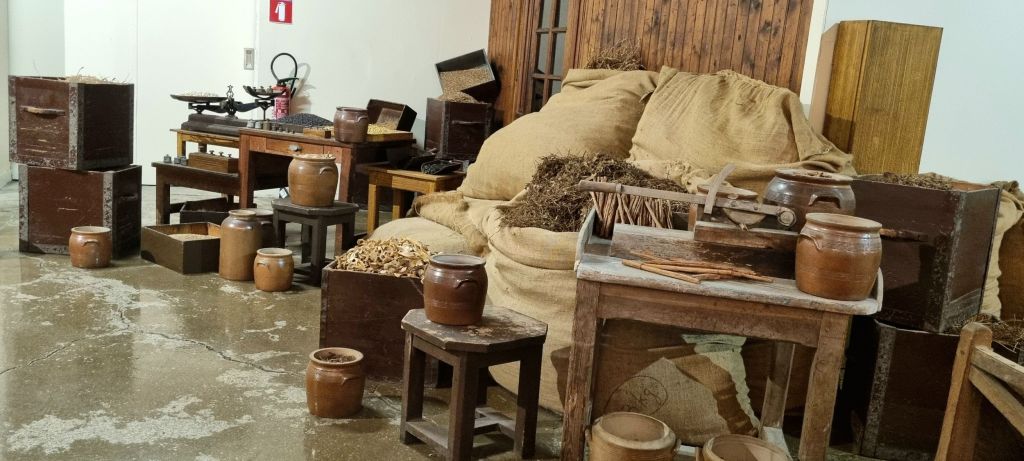
before heading further underground to the distillery and cellars.
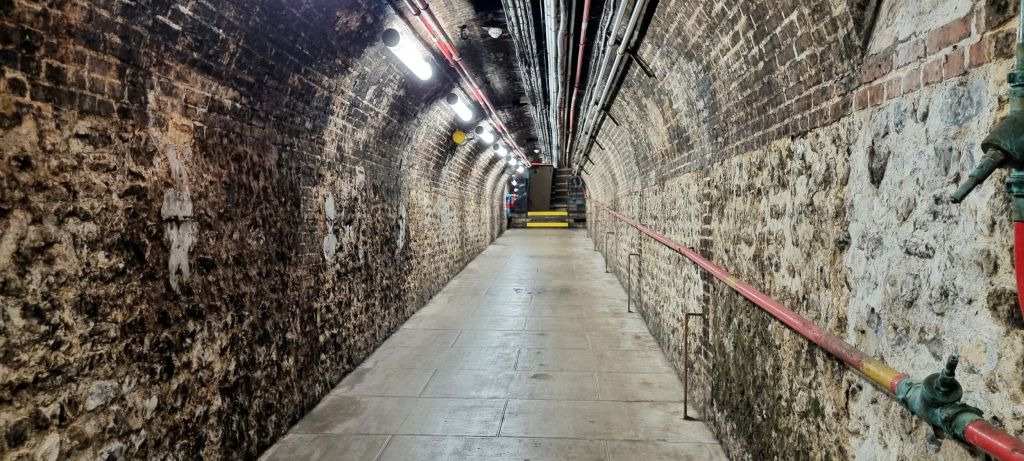
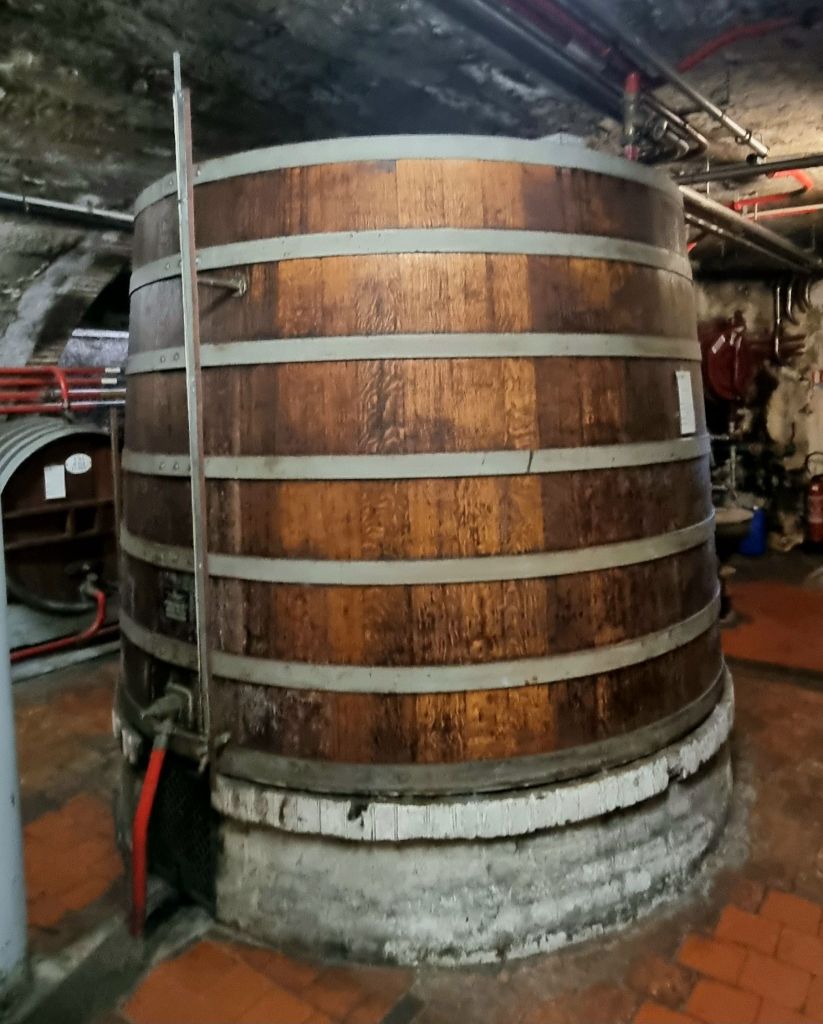
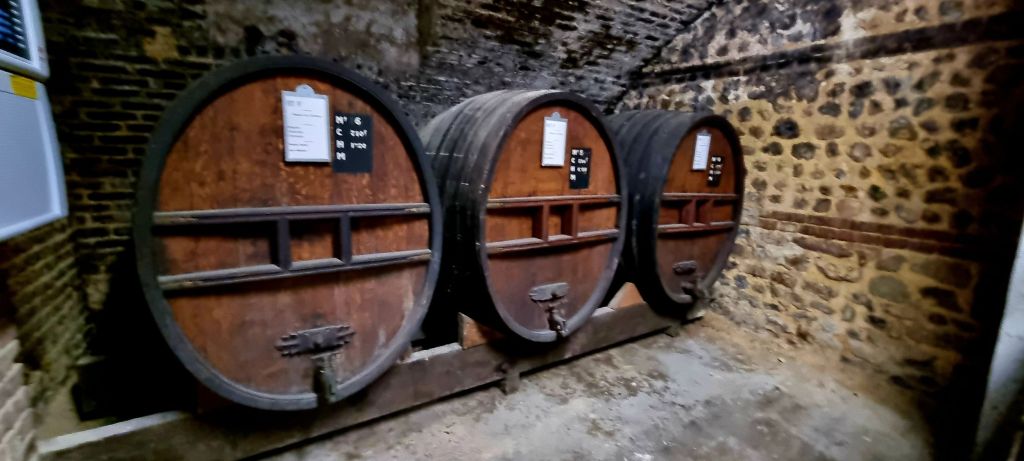
Bénédictine is aged in a two year process prior to bottling in 14,000 litre barrels across nine cellars.
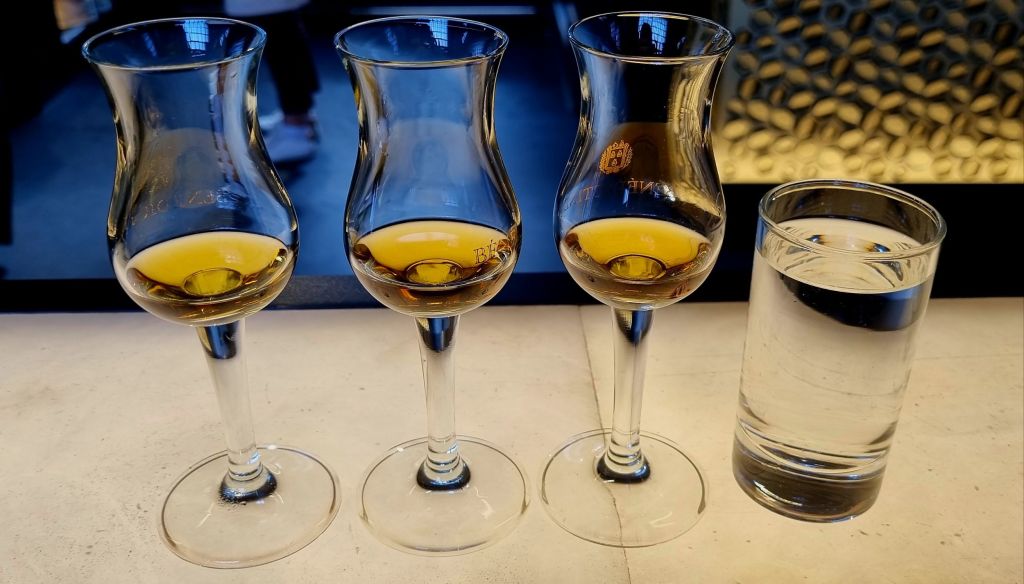
The final part of the tour is a guided tasting of three liqueurs – the original of course, a single cask version blended with armagnac and another longer aged version blended with cognac. The tasting guide is in French leaving us free to enjoy our liqueurs none the wiser. I can tell you that each has its own personality, quite unique to the others. It’s been a while since I tasted Bénédictine – it was the nightcap on our wedding night!
All too soon our tour is over. If one is so inclined, you can go back into the museum to explore further but we’re both keen to see the Fecamp Port.
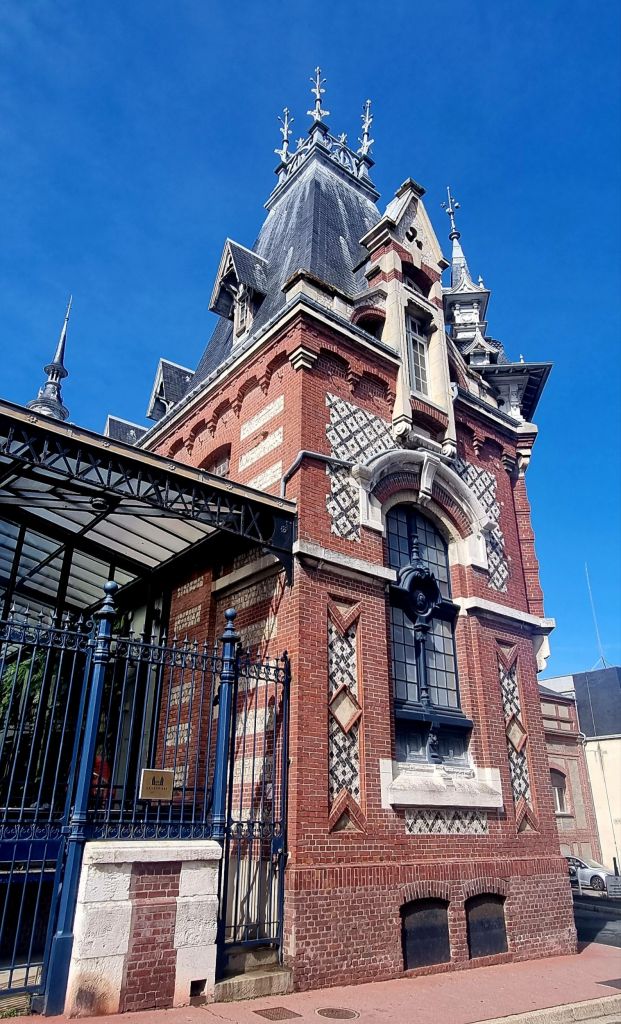
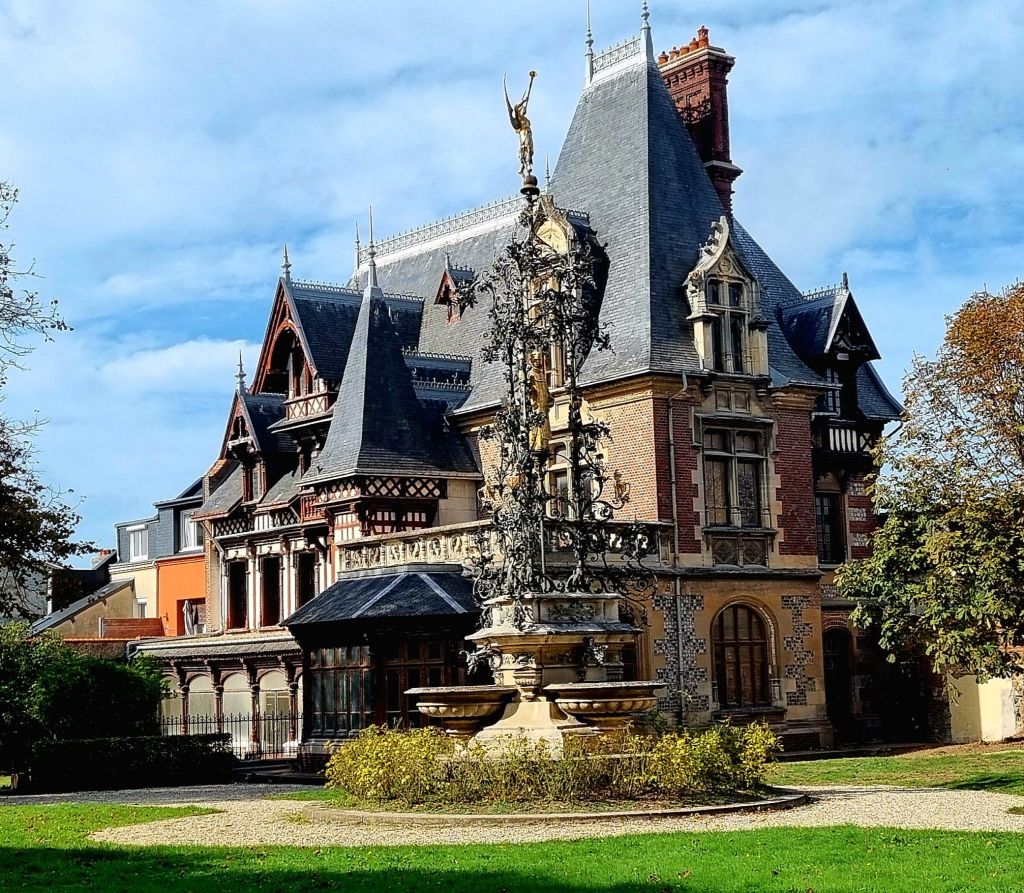
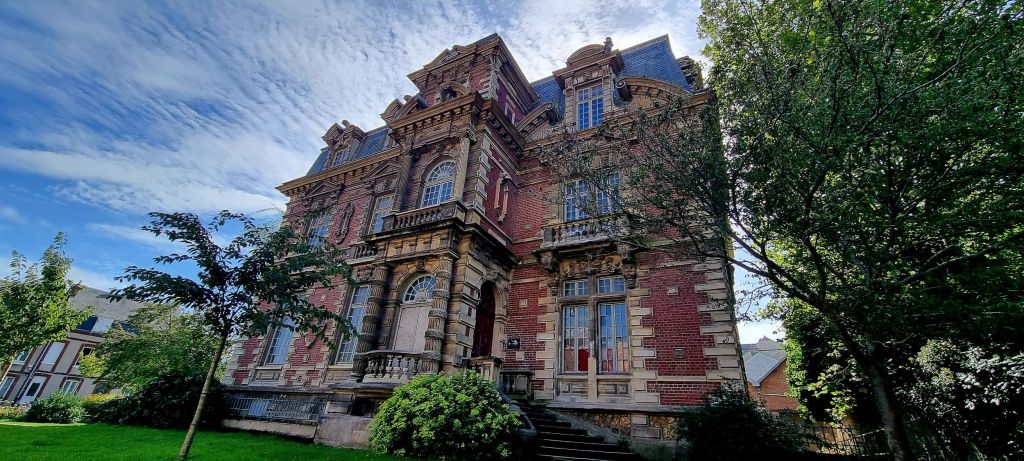
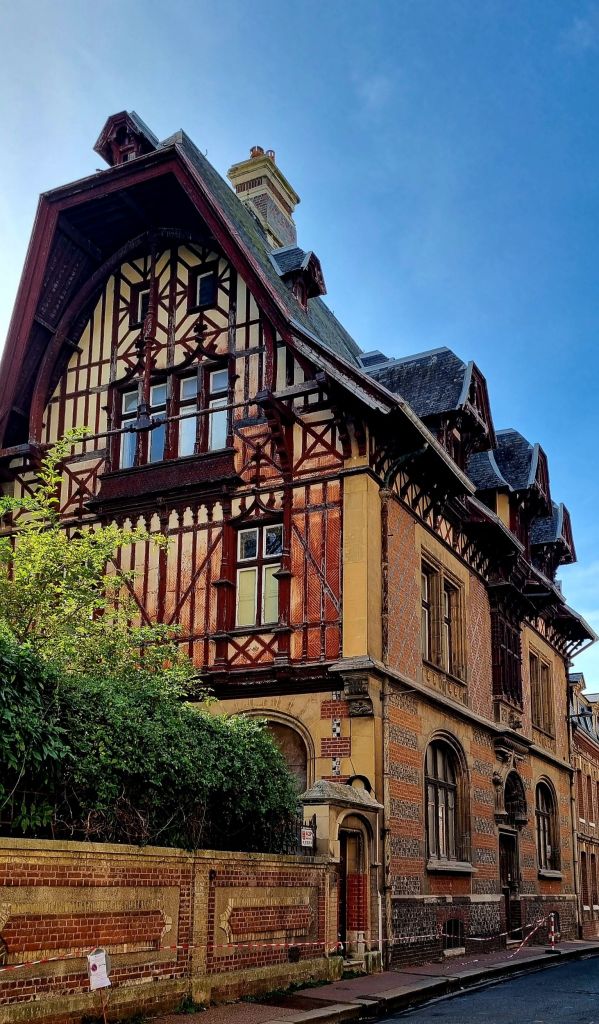
Enroute we see three magnificent houses, two of which are the Villas Vincelli and Bon Accueil. Flanking the Palais Bénédictine, these two were commissioned by Le Grand to complement the Palais’ grand architectural style. I can find no reference to the third lovely creation, the last picture below, but it’s gorgeous and deserves a mention.
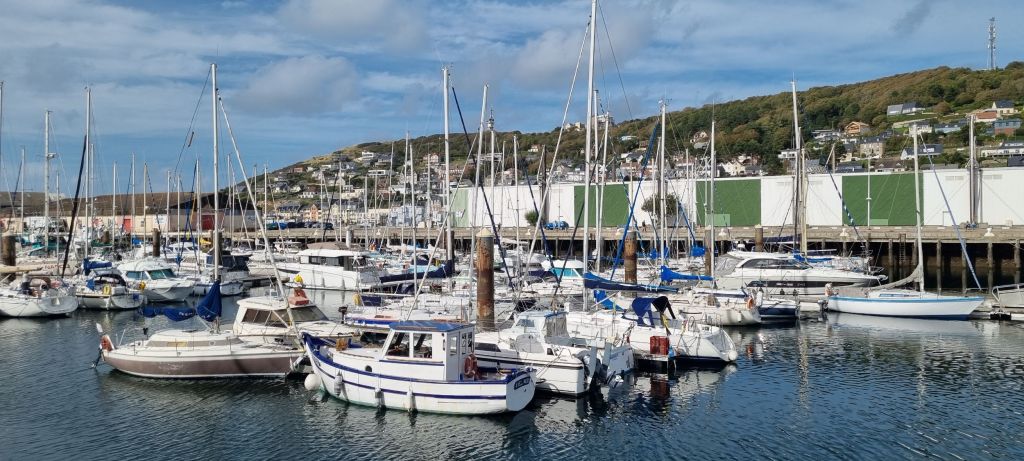
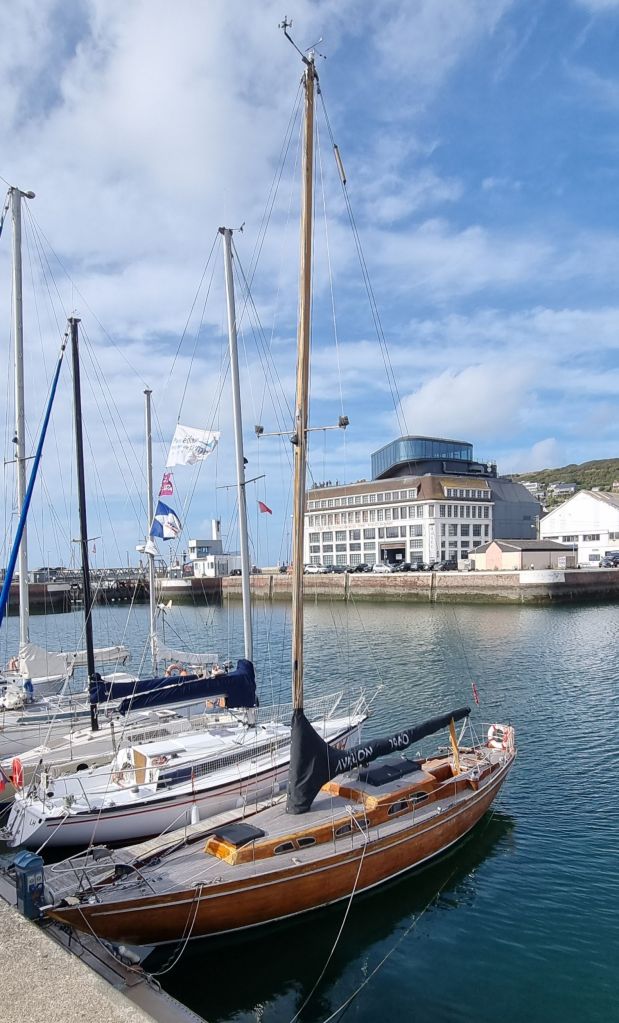
We meander down to the harbour to stretch our legs and enjoy a drink at day’s end. It’s been a great day.