
We continue pottering along Normandy’s northern coast, enroute to the WWII D-day landing beaches.
I’ve never seen Normandy this busy. Snatches of overheard conversations suggest French tourists in the main, indispersed with Americans and Canadians the closer we get to the landing beaches. Coach loads of them! Possibly the impact of the incredibly hot summer – delayed travel plans creating an unusual September peak.
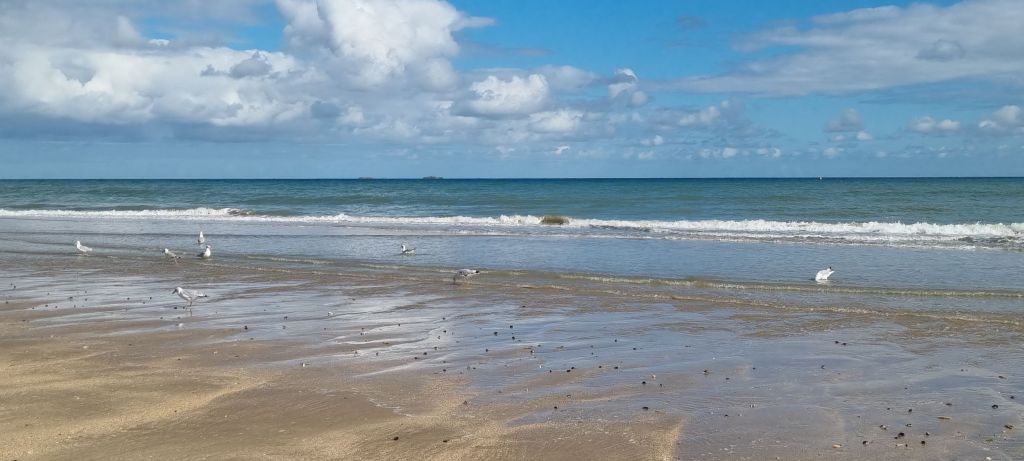
We spend a night at Plage de Ravenoville, a sandy shell beach, deeply crunchy underfoot, well utilised as a migratory bird rest stop. Across a short distance I spot many varieties of gull, terns, enormous black and white Pacific Gulls and clutches of tiny sandpipers, scurrying amidst their larger sea faring feathered brethren. It seems the odd weather has confused the birds too – the sandpipers have chicks well out of their usual spring season.
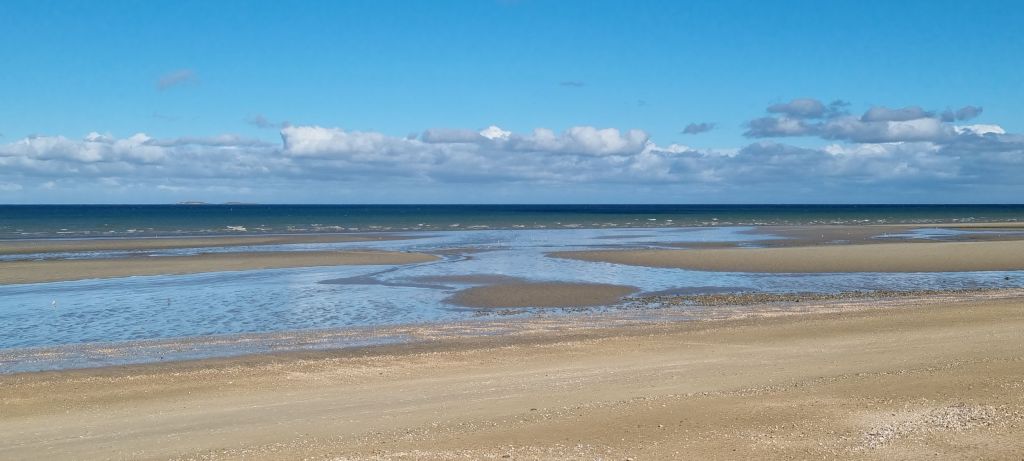
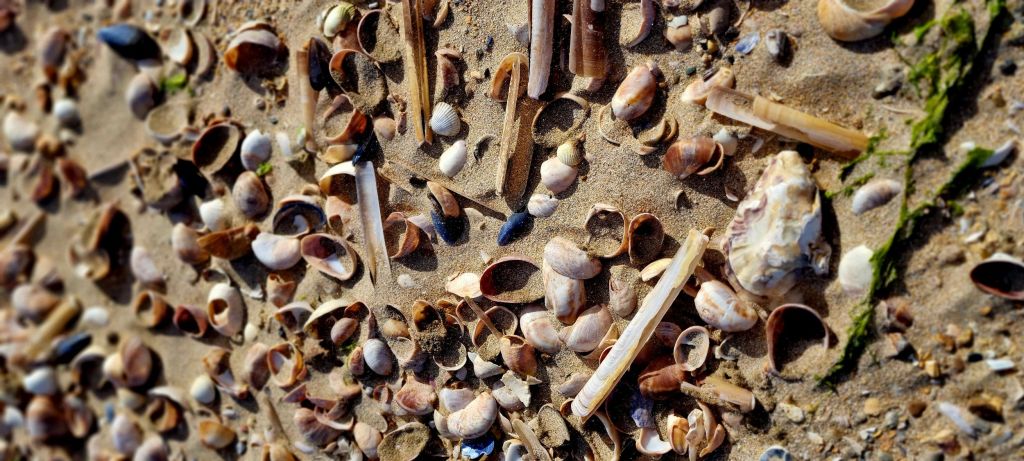
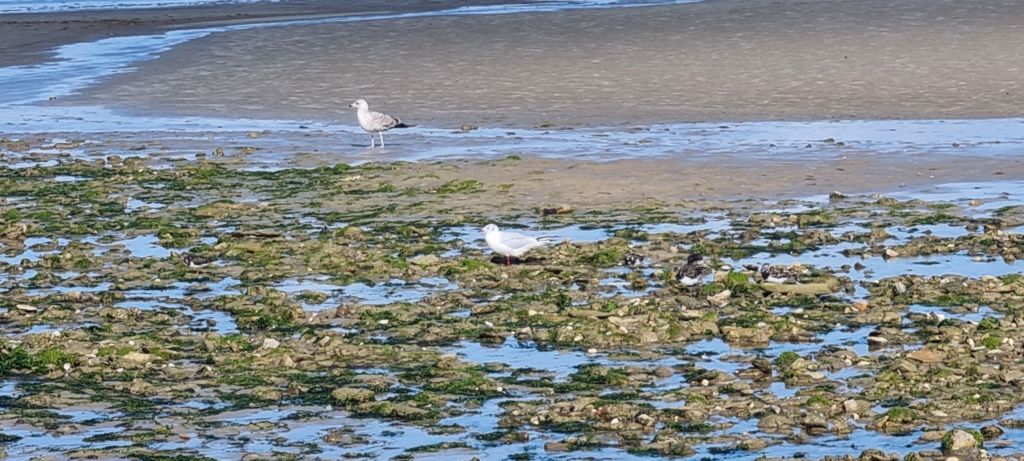
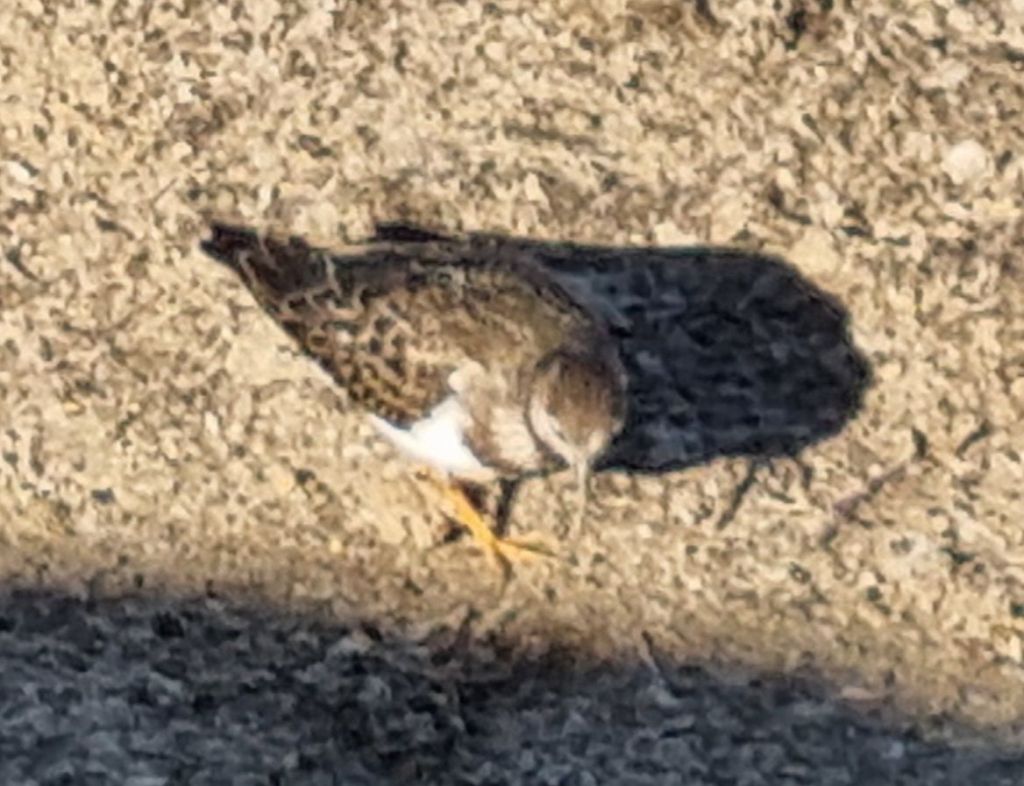
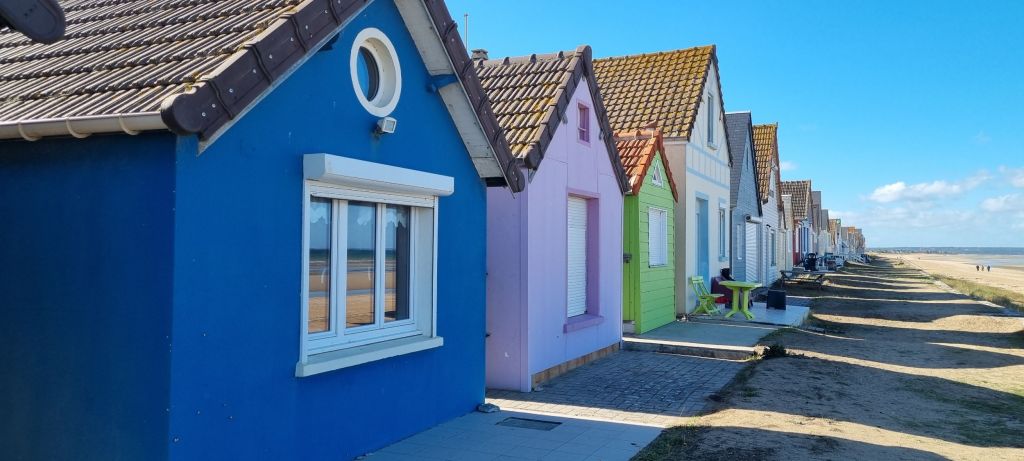
A late afternoon walk reveals a row of brightly coloured holiday cottages, mere metres off the high tide point and spectacular pre thunderstorm lighting. Himself couldn’t be coaxed out and misses it.
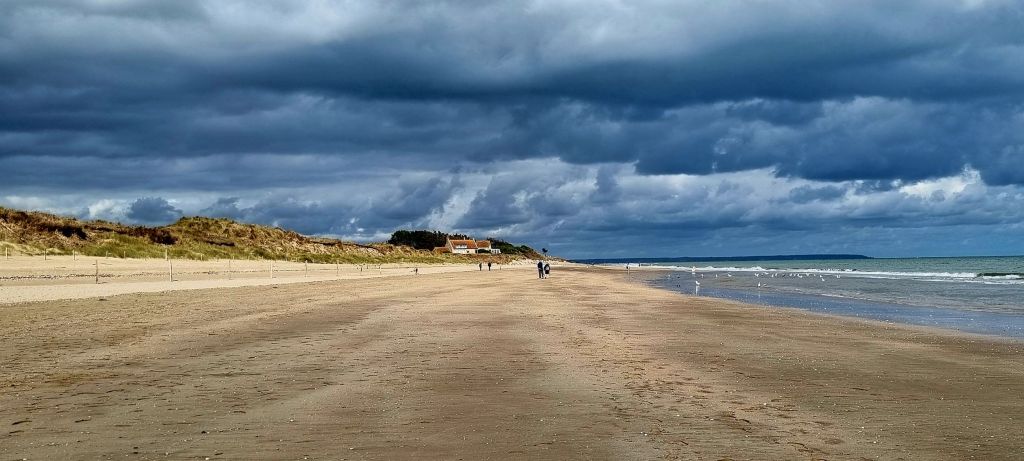
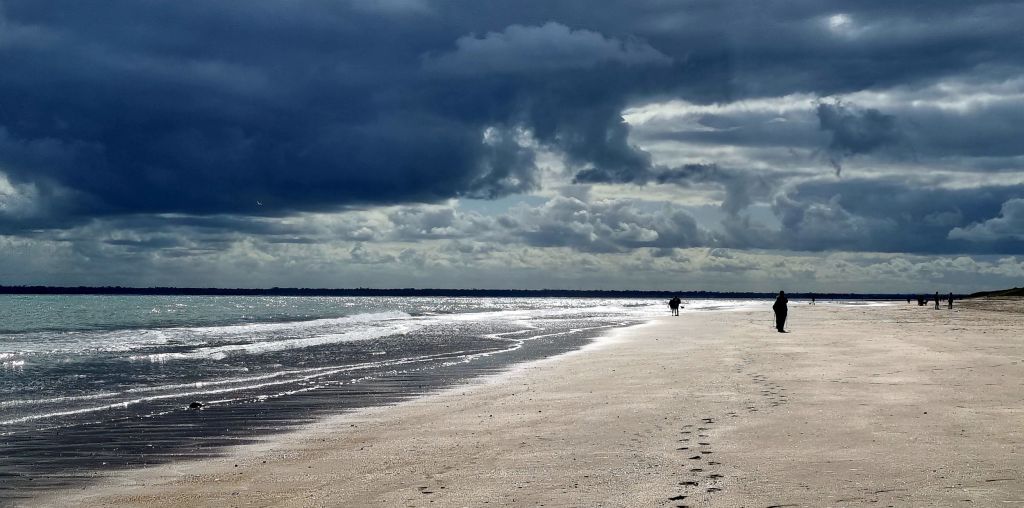
He’s far more focused on the battle beaches. We see Utah first and it must be said, France does war memorials very well. Eighty plus years on, the cost of freedom is honoured with thoughtfully considered, well tended displays. Over the years we’ve visited many French WWI / WWII memorials and military graveyards. I’ve yet to see one that wasn’t in excellent condition and Utah is no exception.
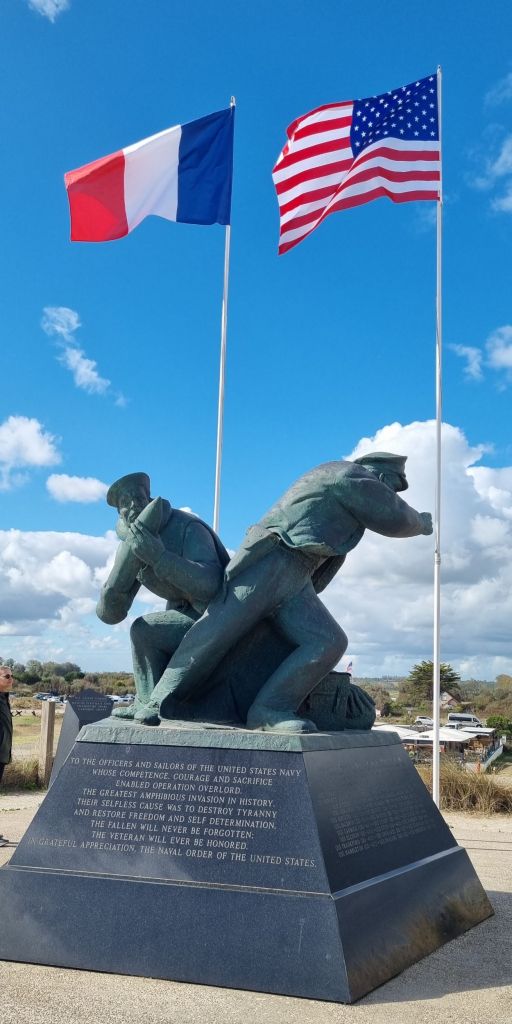
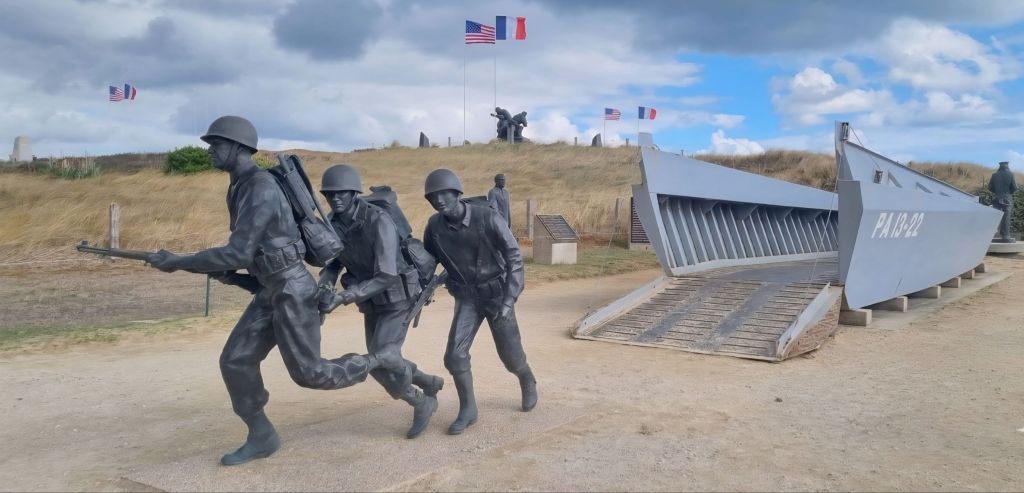
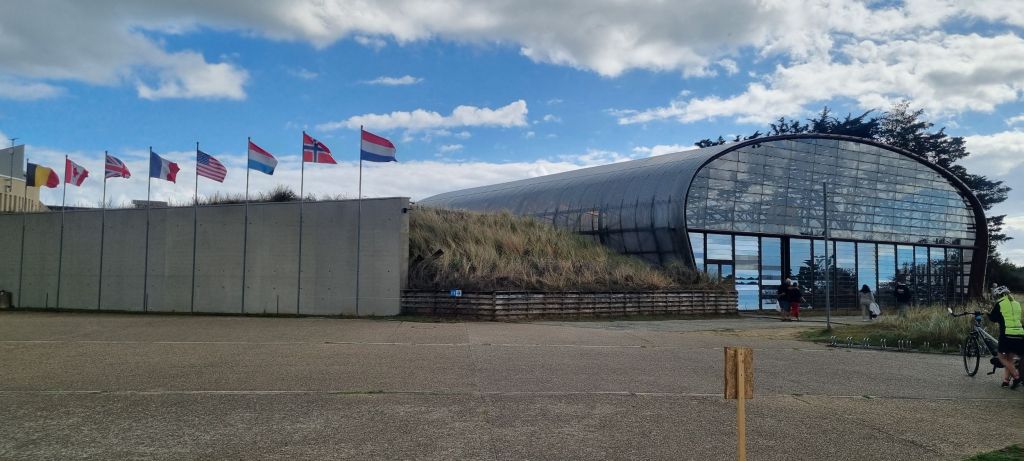
Driving east, Utah is the first of the D-day June 6, 1944 landings along Normandy’s Cotentin Peninsula. Utah and Omaha Beaches were assigned to American troops, Gold and Sword to British, and Juno to Canadian. In comparison to the others, Utah was taken with relatively light casualties.
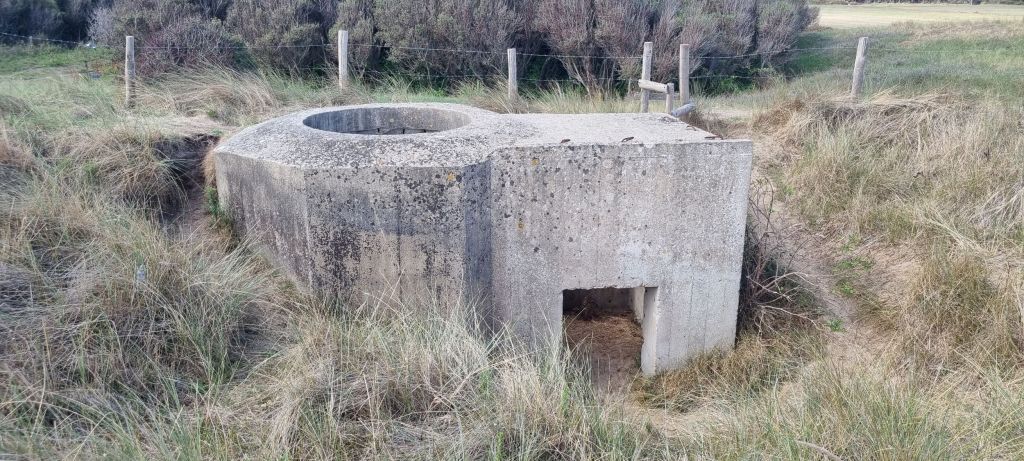
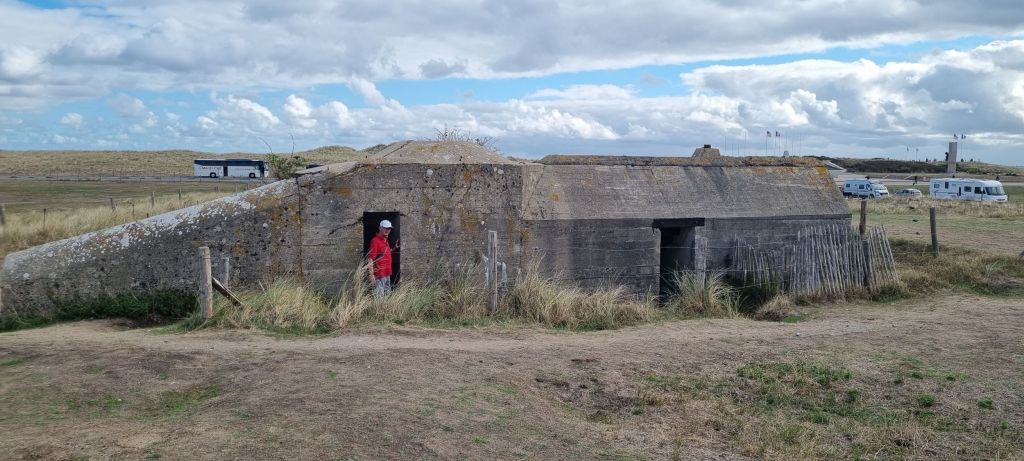
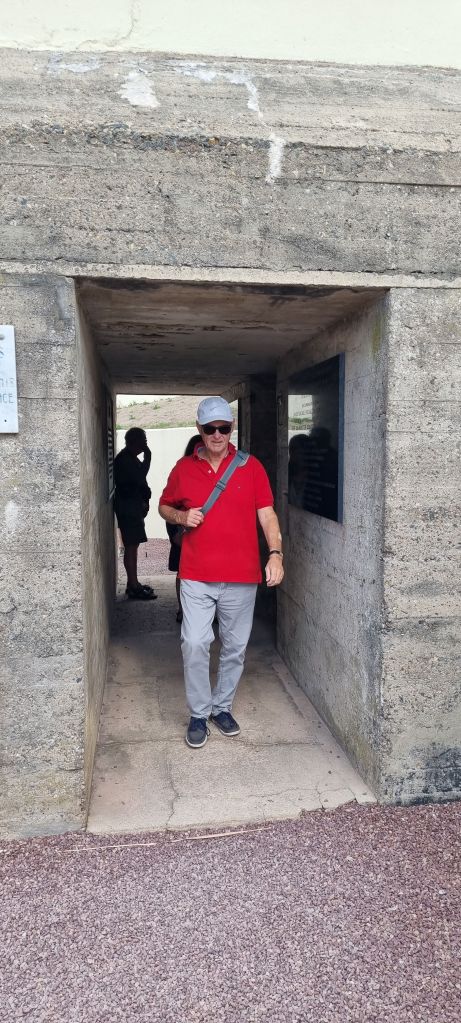
We explore the bunkers left in situ, horrible things viewed from either side of battle. If you were unfortunate enough to be outside, there was no cover from open fire. Those inside taking a direct hit meanwhile, would be paste. Some provided more protection than others – the one in I’m below wasn’t even deep enough for head cover.
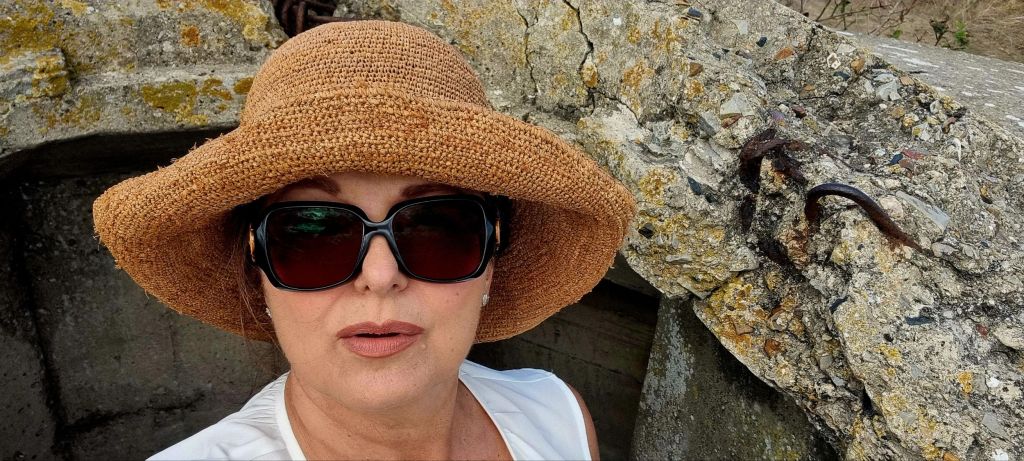
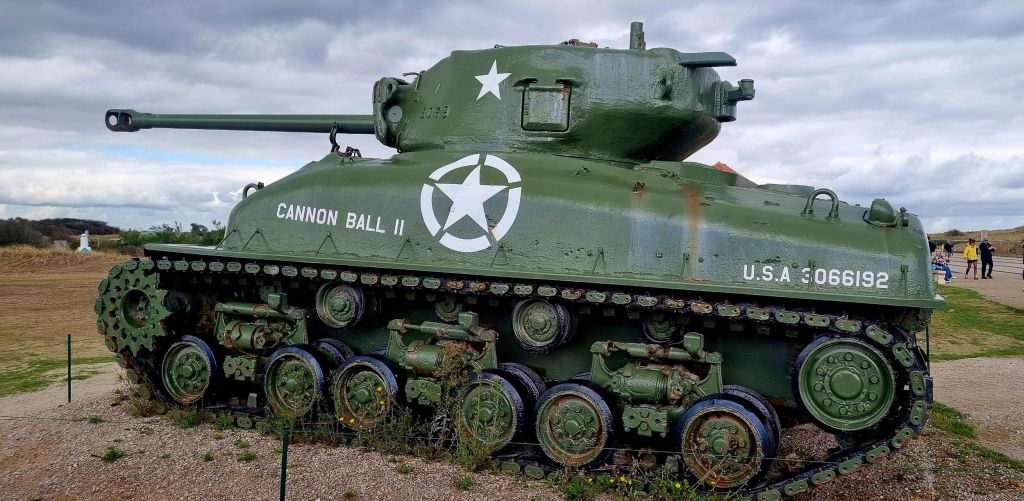
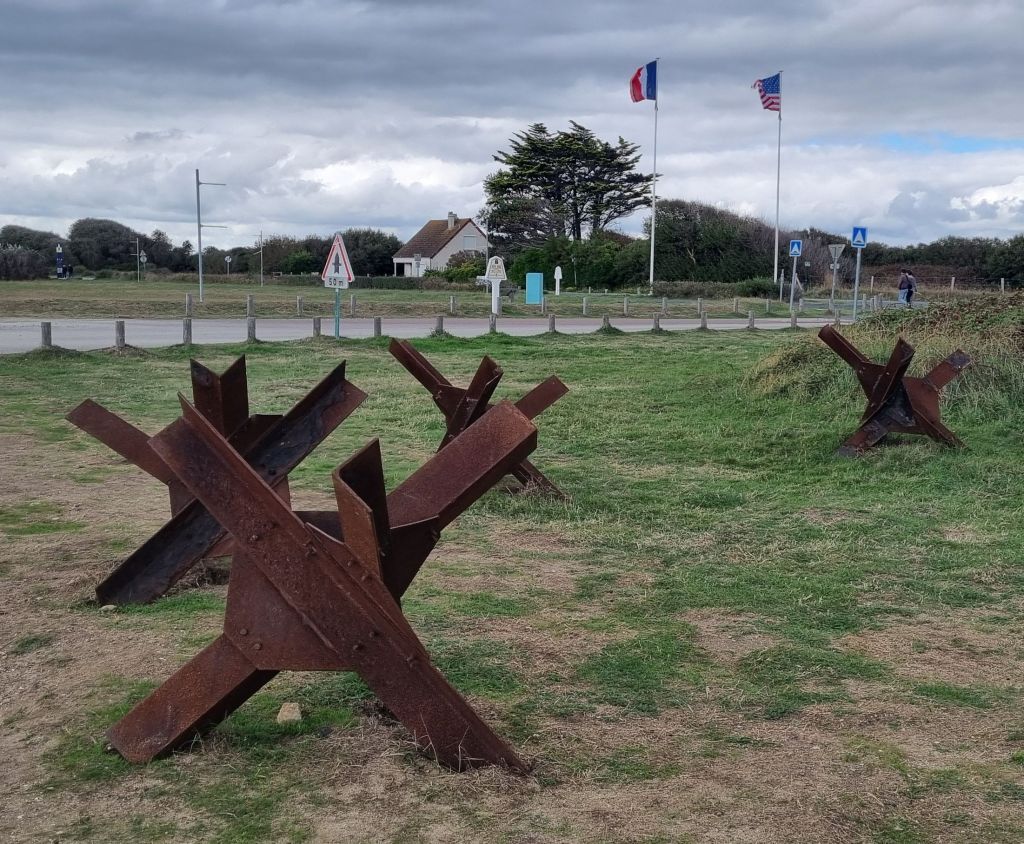
The bunkers, tanks and rolls of honour form a sobering, blunt reminder of the horror of war. Himself bears these places better than I do. He becomes immersed in the history and logistics of battle, meanwhile I’m mired amongst lost sons, brothers, husbands and fathers. The memorials listing multiple family casualties are particularly heartbreaking – two, three, four from a family. The grief is inconceivable.
Omaha beach features an enormous sculpture, The Brave. Quoting the artist, Anilore Banon: “Sculpting is engraving in peoples’ hearts, the spirit of infinite hope. I created this sculpture to honour the courage of these men, sons, husbands and fathers who endangered and often sacrificed their lives in the hope ol reinstating freedom to the French people. The sculpture consists of three elements:
The Wings of Hope so that the spirit that carried these men on June 6th,1944 continues to inspire us, reminding us that together it is always possible to change the future.
Rise, Freedom! so that the example of those who rose against barbarism helps us remain standing up against all forms of inhumanity.
The Wings of Fraternity, so that this surge of brotherhood always reminds us of our responsibility towards others as well as ourselves. On June 6th, 1944, these men were more than soldiers, they were our brothers.”
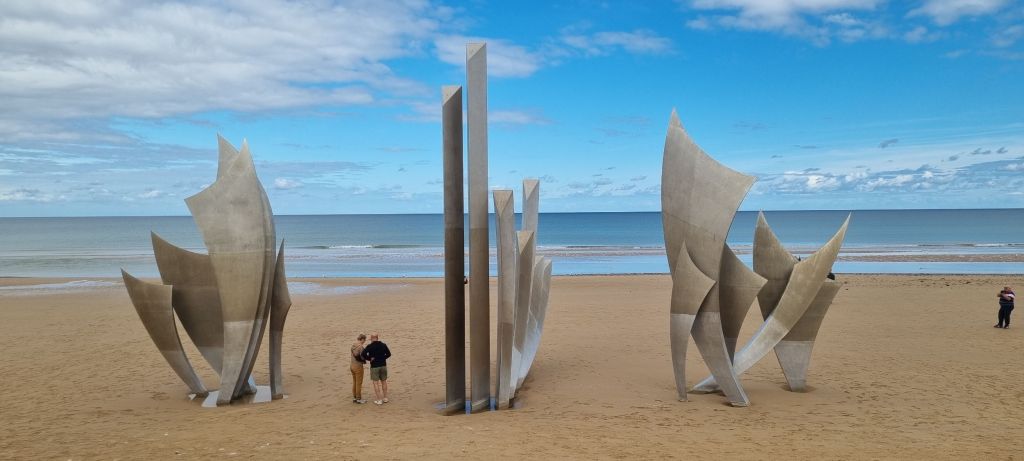
Wise words indeed. It’s a striking sculpture that reflects the artist’s intent beautifully.
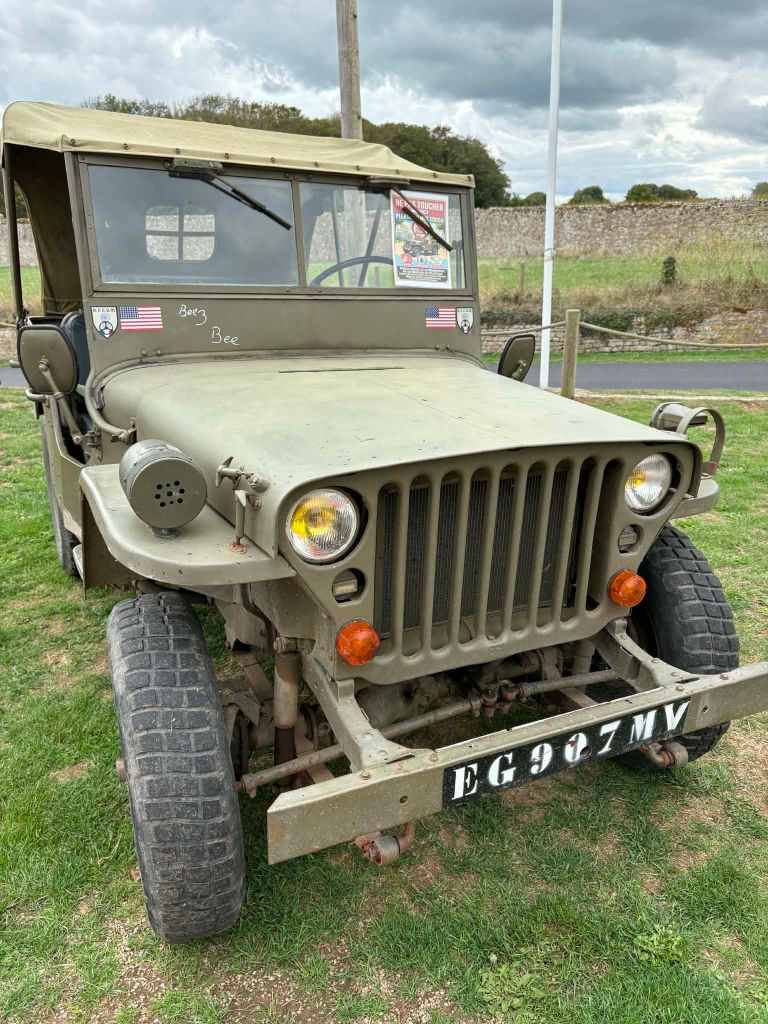
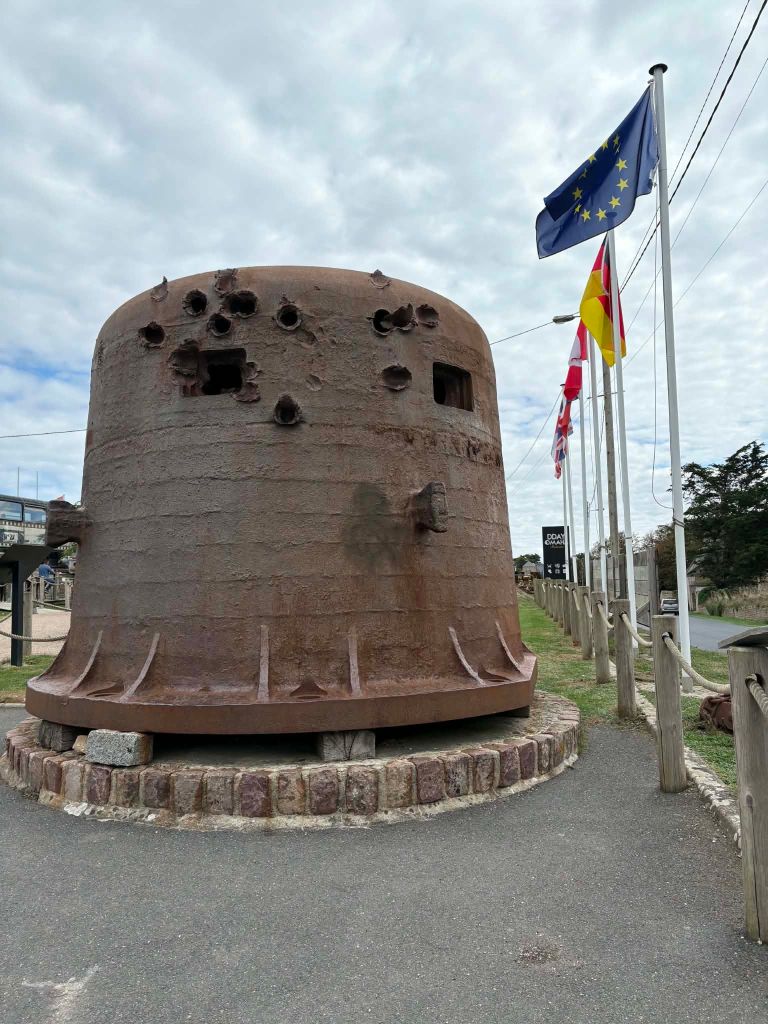
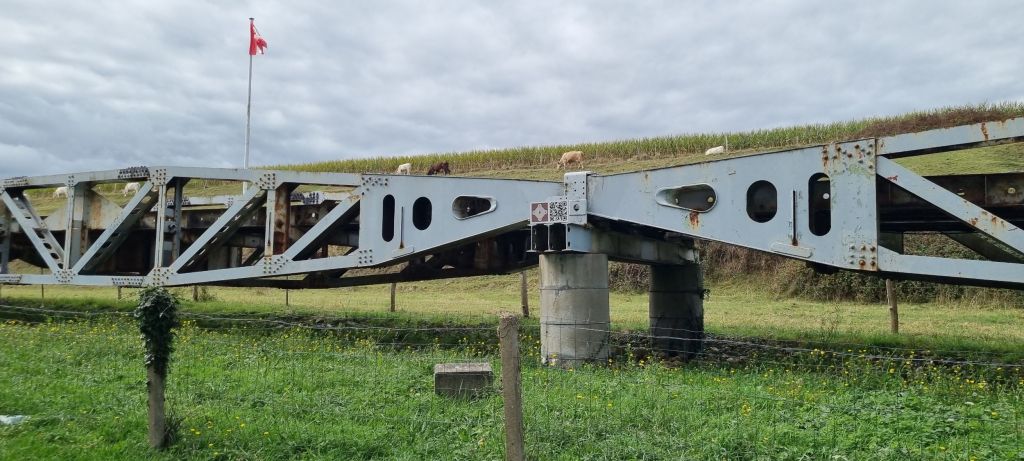
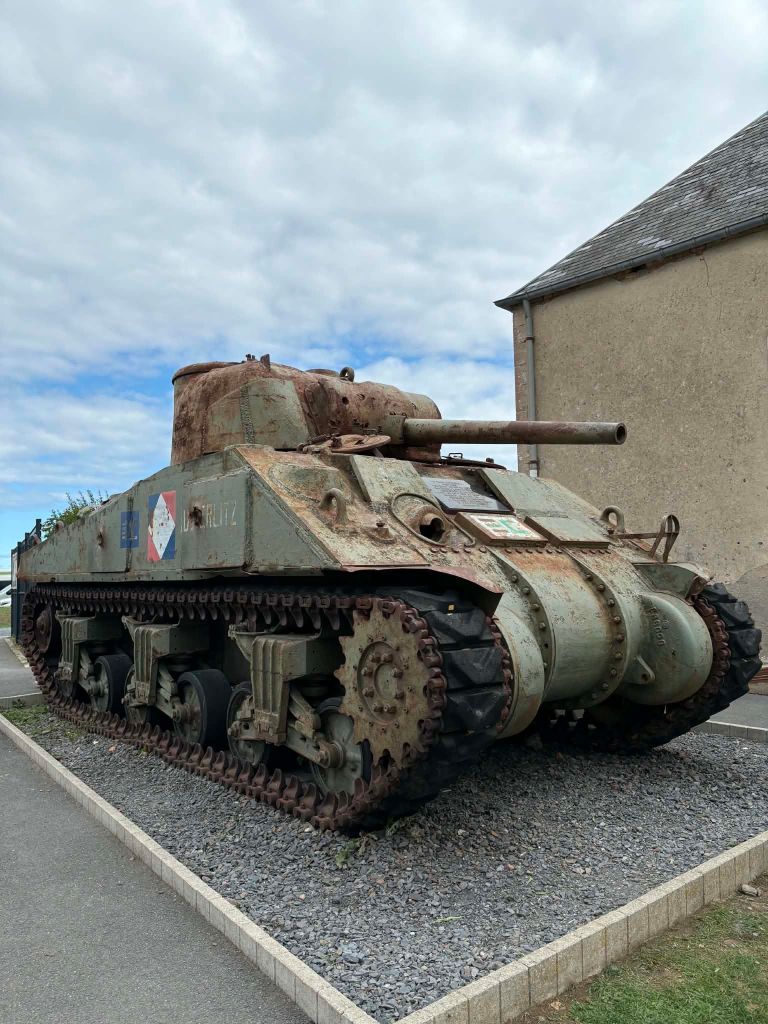
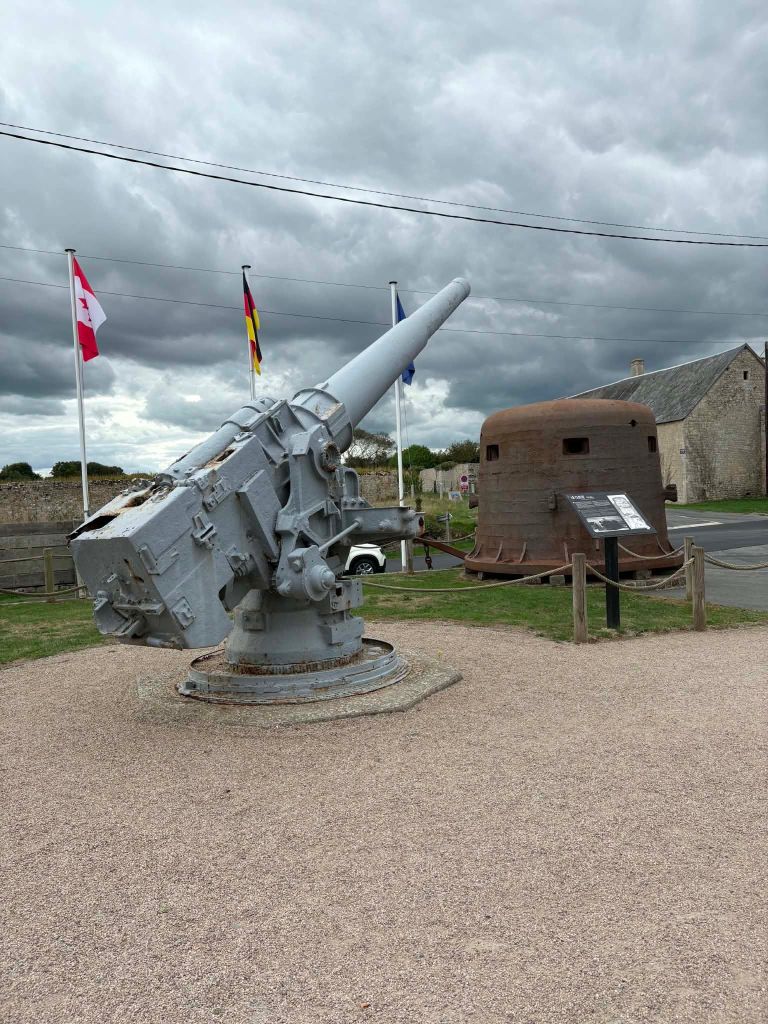
Both beaches have excellent museums if you’re inclined to dive deeper into battle history. It’s our second tour through the landing beaches though, albeit from a different approach. I feel justified in excusing myself from museums this time around. And a feeling little guilty for doing so.
Battlefields aside, Normandy is world renowned for the quality of its dairy. If you’re partial, and Lord knows I am, you’d be hard pressed to find better anywhere. It’s down to a very special native Normande cow.
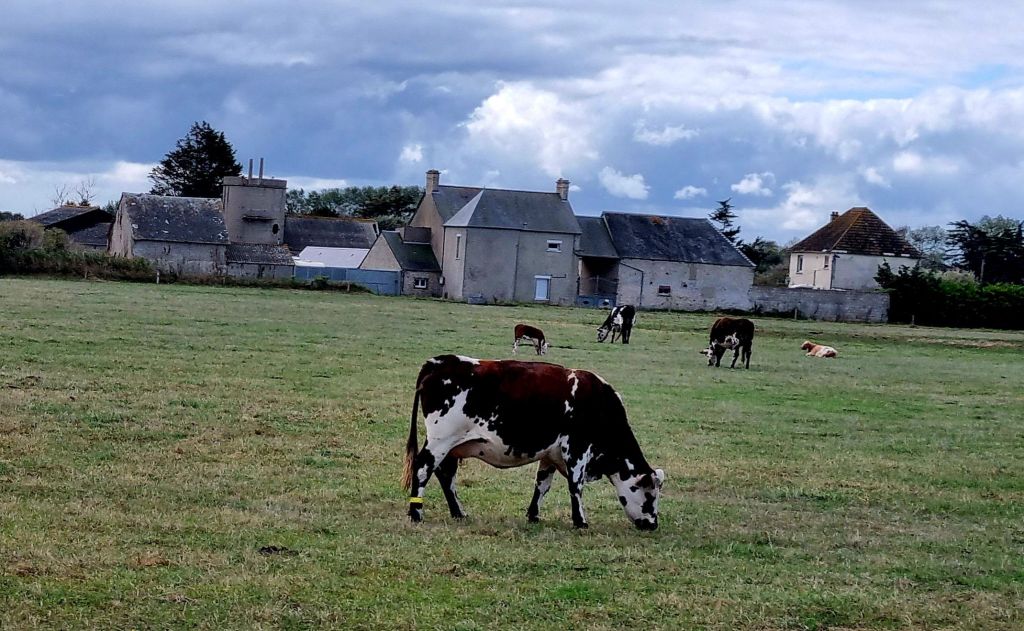
Fed on nutrient dense green pastures thanks to a mild coastal climate, they produce milk with an unusually high fat and protein content, giving local dairy its rich texture and flavor. Normandy butter is roll your eyes in the back of your head heavenly – it takes all my self control to not cut it like cheese. Not that I’m saying I’m always successful mind… Its high fat, low moisture content is also the secret behind melt in the mouth flakey French patisserie. Yum, yum,yum.
It’s a happy happenstance that we find ourselves in Isigny-sur-Mer at day’s end. You’ll recognise the name if you’ve ever taken out a personal loan to finance an Australian French dairy habit.
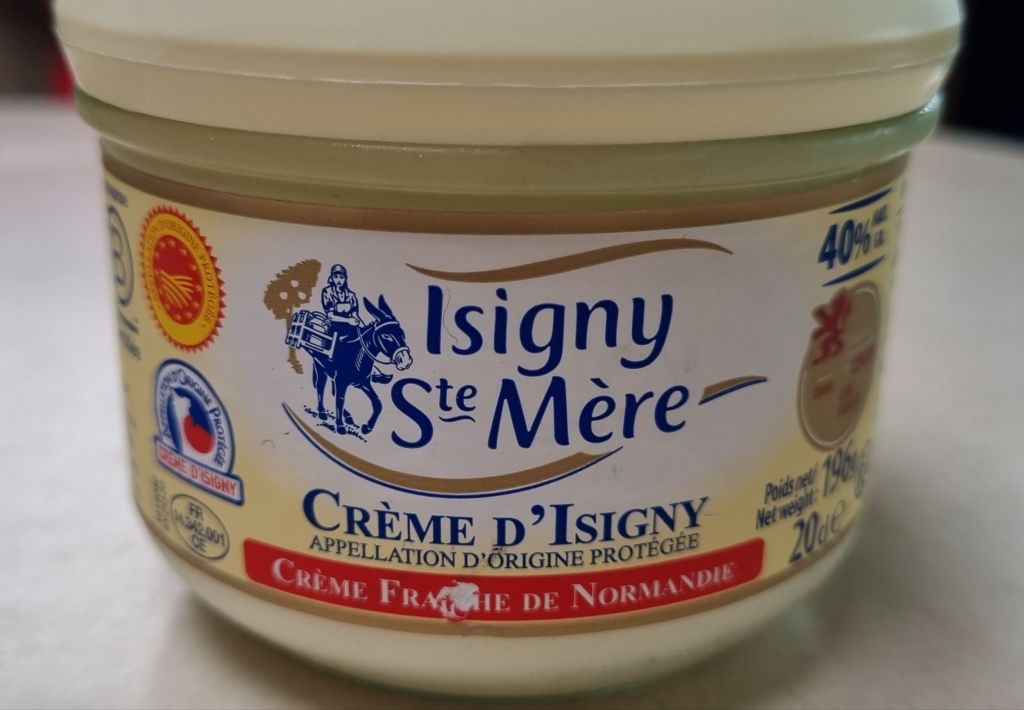
I jest of course, but barely. Small unripened fresh cheeses in France retail for between €1 – €3 each. The same cheese at home sells for $10 – $15. Roquefort is around €19 per kilo in France, readily available in all supermarkets. The last piece I bought back home was $150 per kilo, and it was ‘on sale’. Baking with French butter meanwhile is a $50 per kilogram exercise at home vs €9 here. *Sigh*. And don’t even get me started on the disparity in the cost of good bread. I’m powerless to resist good cheese in any form – consequently the motorhome fridge literally groans with it.
Isigny-sur-Mer is a pretty village with a massive milk processing plant at its edge.
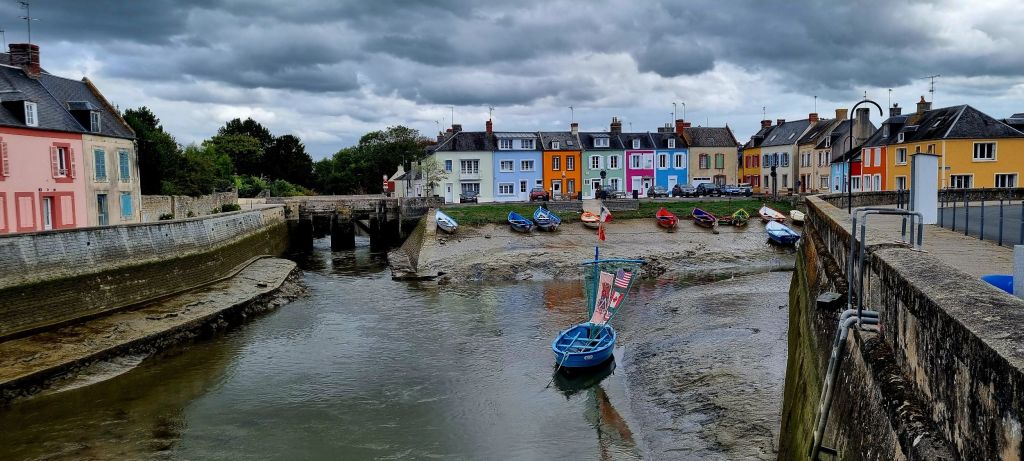
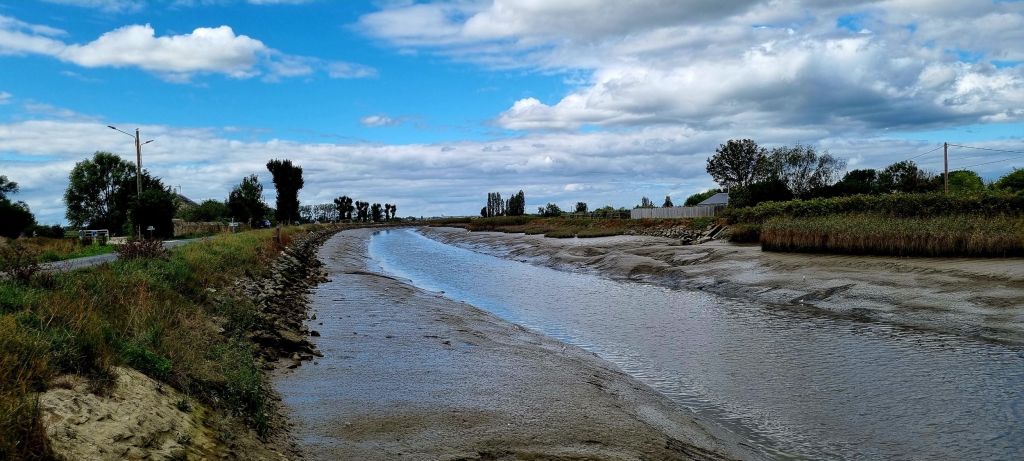
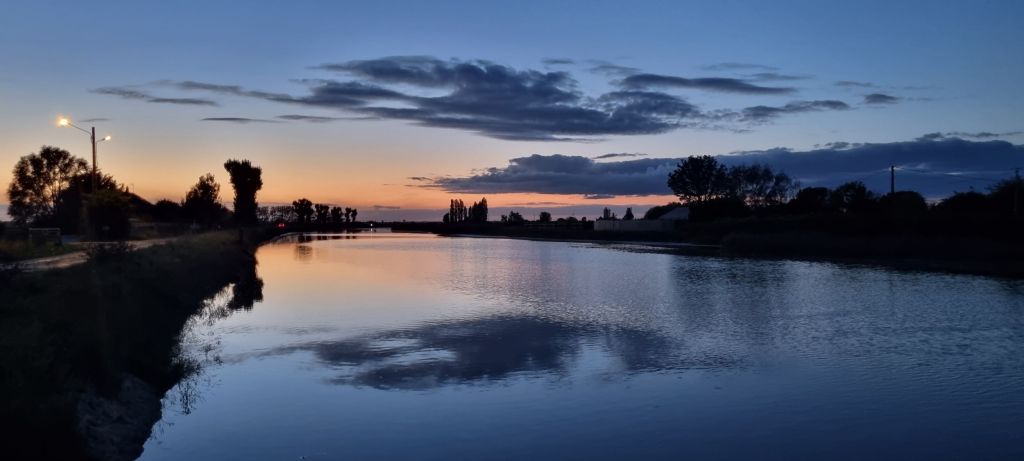
We’re riverside with a window seat to the enormous impact of the tide. These two pictures were taken only a few hours apart – just look at the change in water level!
On our morning baguette run, you’ll not be surprised that I can’t resist stocking up on Isigny-sur-Mer dairy. It’d be rude not to really….

