
That slower pace we enjoyed at Ferry Meadows? We liked it so much much, we’re doing again at Cirencester, an historic market town in Gloucestershire, frequently referred to as the ‘Capital of the Cotswolds’.
I’ve lost count of the number of times we’ve been here, but it’s so many that we’ve seen all the sights and know its secret nooks and crannies. The best part of this is that it leaves us delightfully free to roam at will with no fixed purpose. I’ll confess to having a laser focus when I’m somewhere new, often guilty of walking the legs off Himself in ensuring no stone is left unturned. No wonder he enjoys revisiting old favourites.
If you’re new to Cirencester – it sits atop a long and illustrious history. Founded by the Romans in AD 75 as ‘Corinium Dobunnorum’ and renowned for mosaic tile production, the town grew into one of the largest cities in Roman Britain, second only to London. The local Corinium Museum displays an excellent collection of Roman mosaics, relics and ancient history. If you’re new to Cirencester, do not miss it.
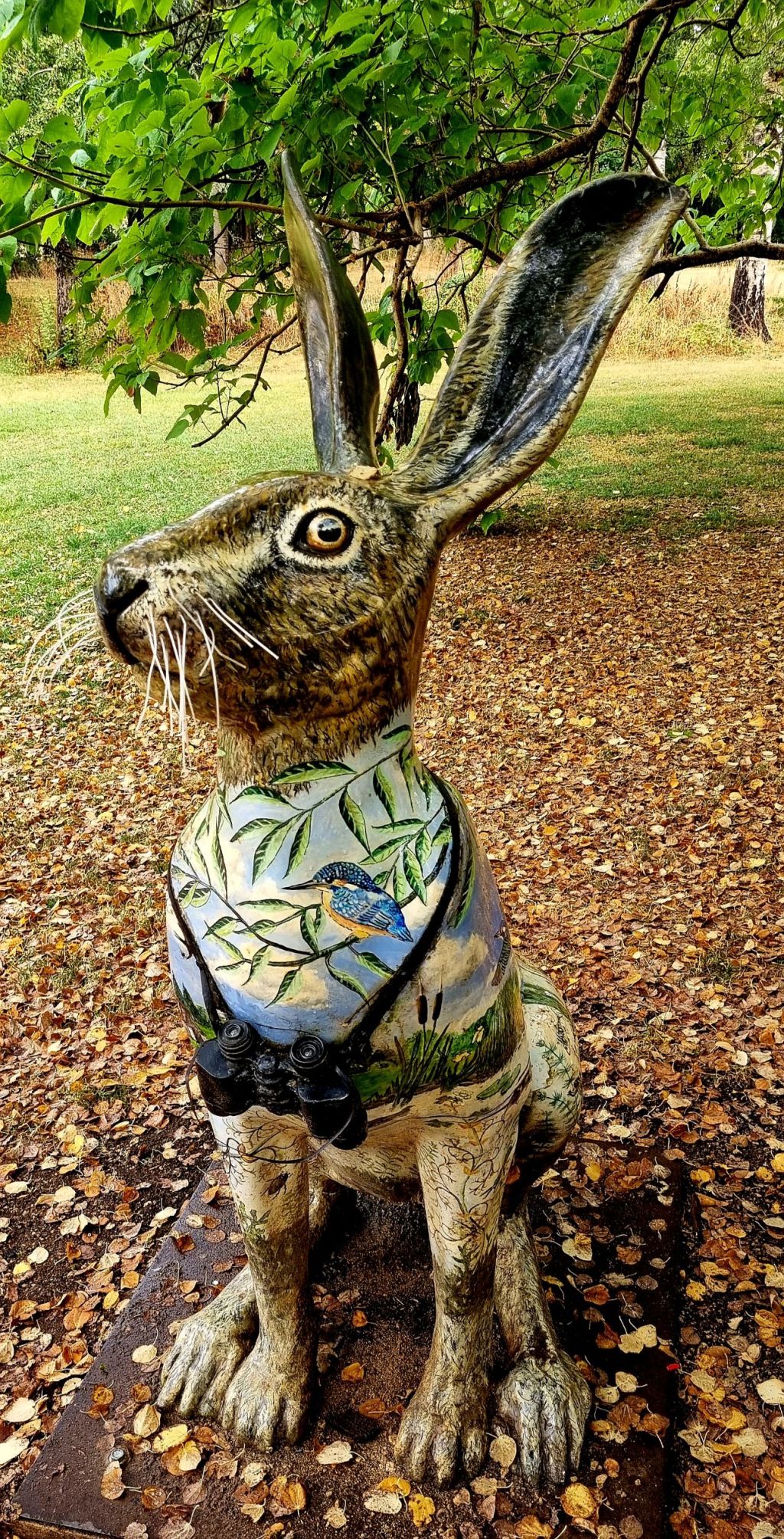
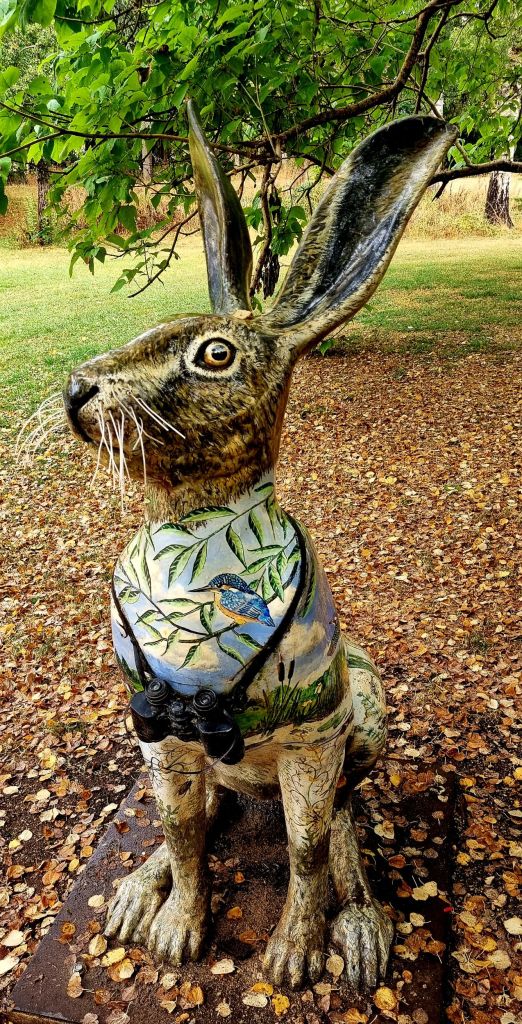
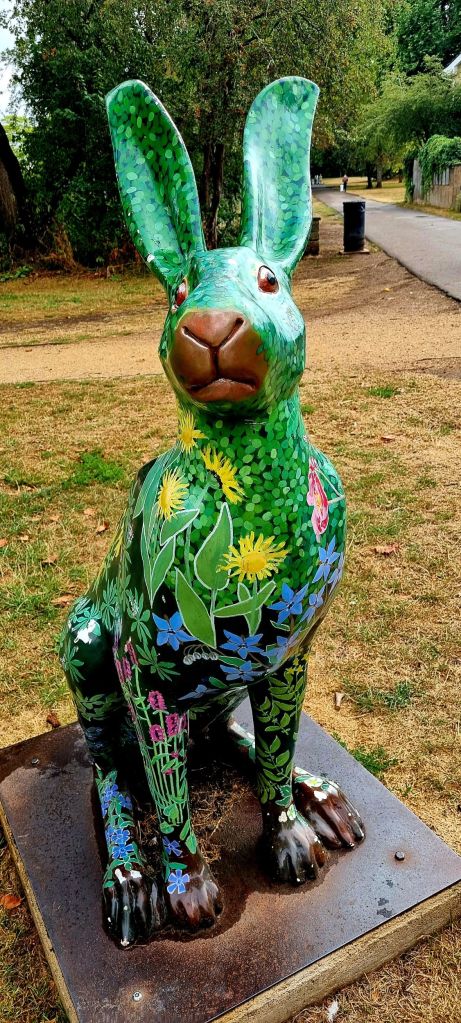
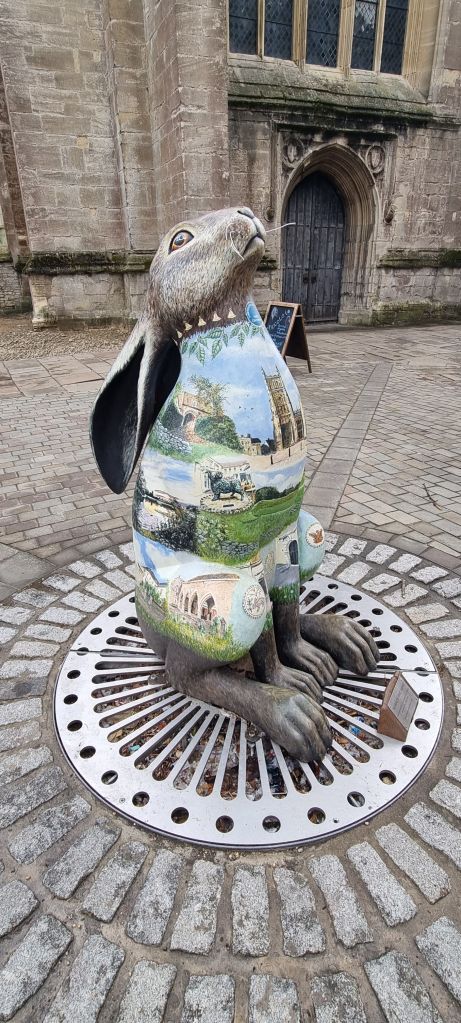
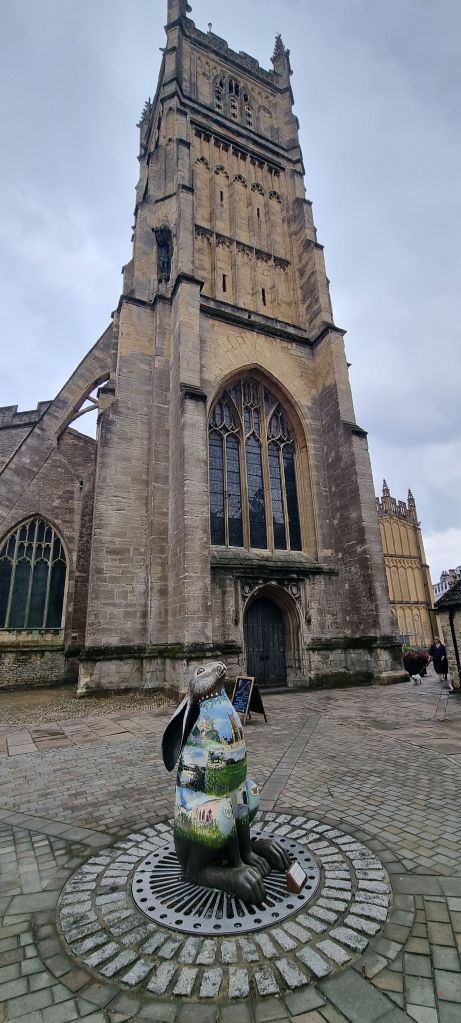
An excavated Roman hare mosaic sparked a local hare culture. Hares have been adopted as Cirencester’s unofficial mascot and appear everywhere.
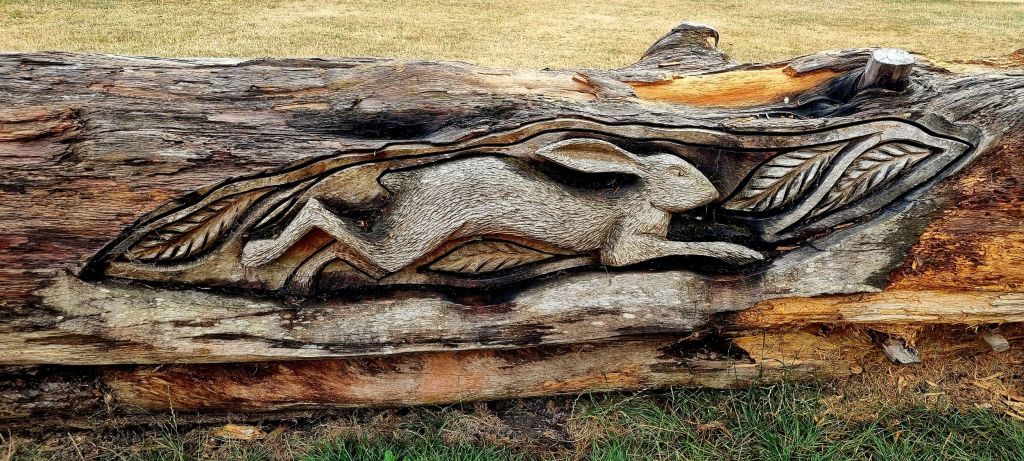
Our first visit to Cirencester coincided with a hare art trail – a treasure hunt of hidden painted hare sculptures of all different sizes, scattered throughout the town. You can imagine my delight each time I stumbled upon one. And whilst many have hopped on to become celebrated art elsewhere, a few have remained to charm visitors and locals alike.
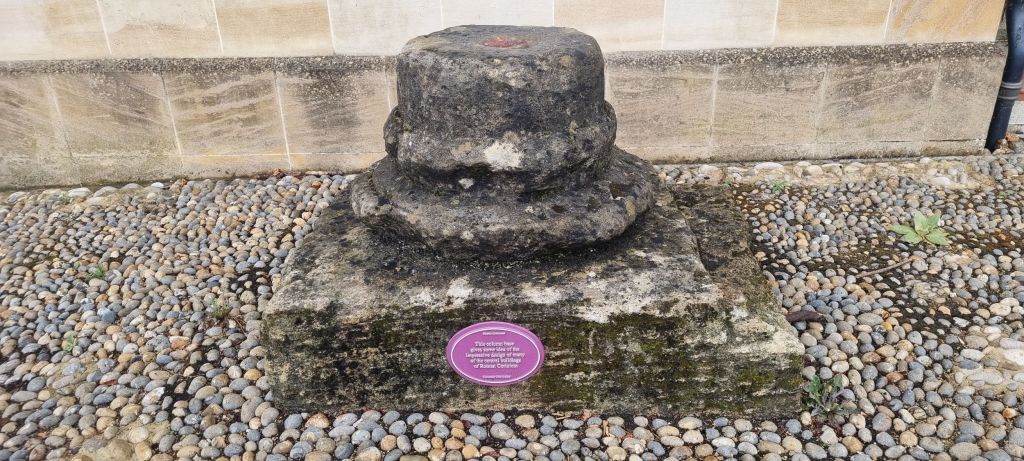
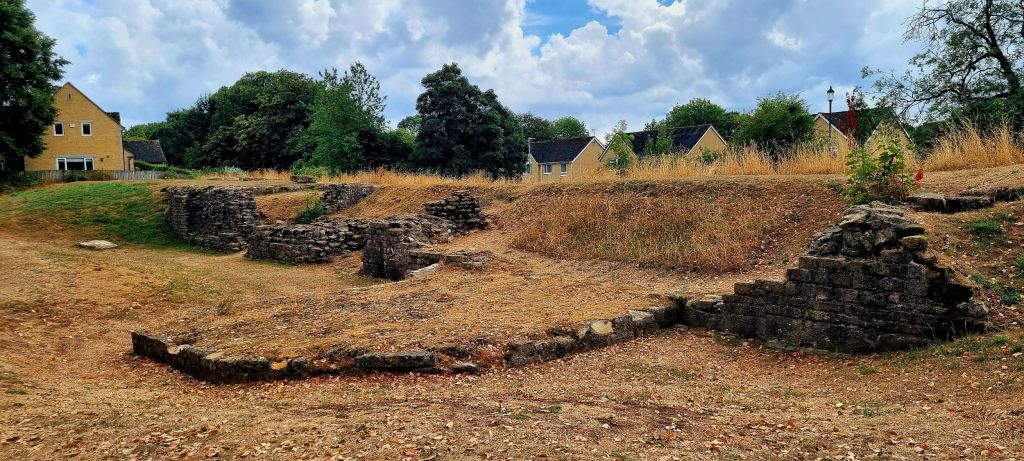
In addition to the gift of hares, evidence of Romans abounds – roads of course, including the delightfully and still named Ermine Road just out of the town’s centre. Remnants of the town’s Roman walls still survive, as does an amphitheatre now largely grassed over and an occasional column base. If I had a time machine, this is a period that would be very high on my to do list, if for the spectacle of the architecture alone.
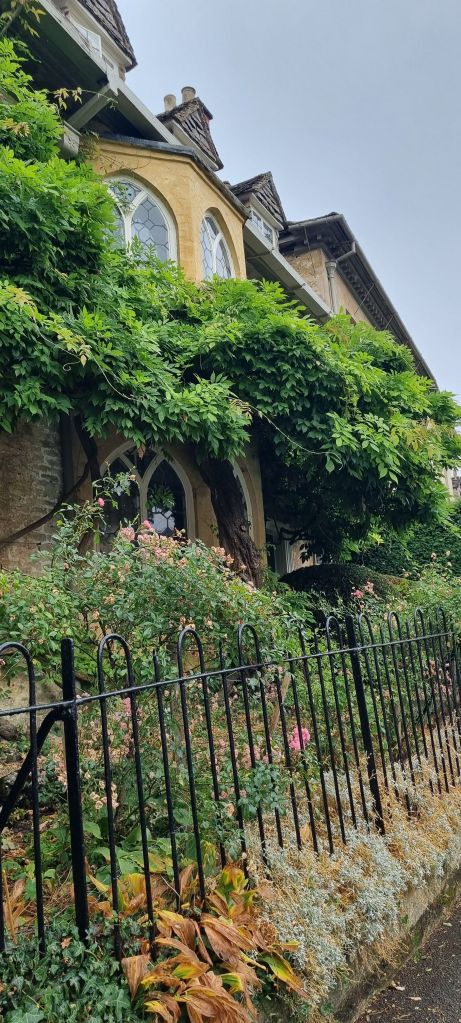
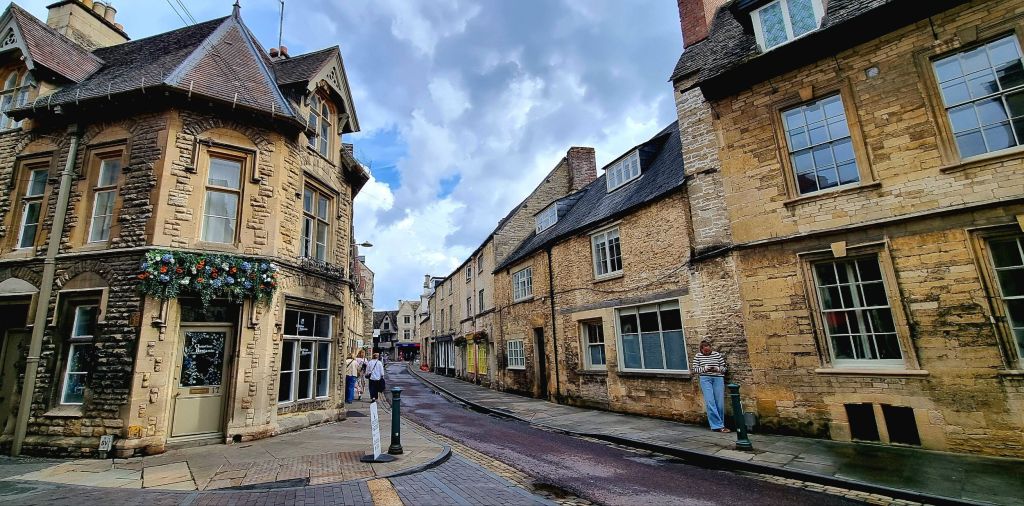
Post the Roman era, a flourishing mediaeval wool trade drove prosperity, funding much of the the lovely Cotswold stone architecture we see today,
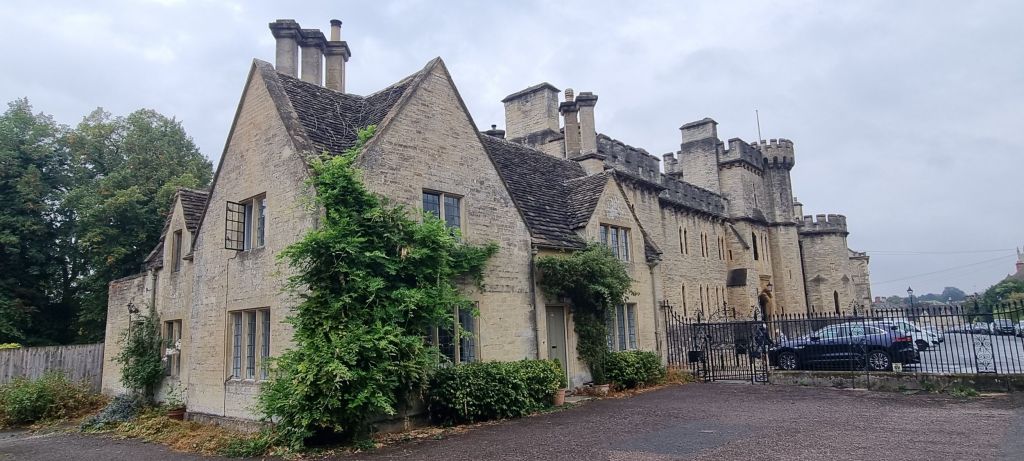
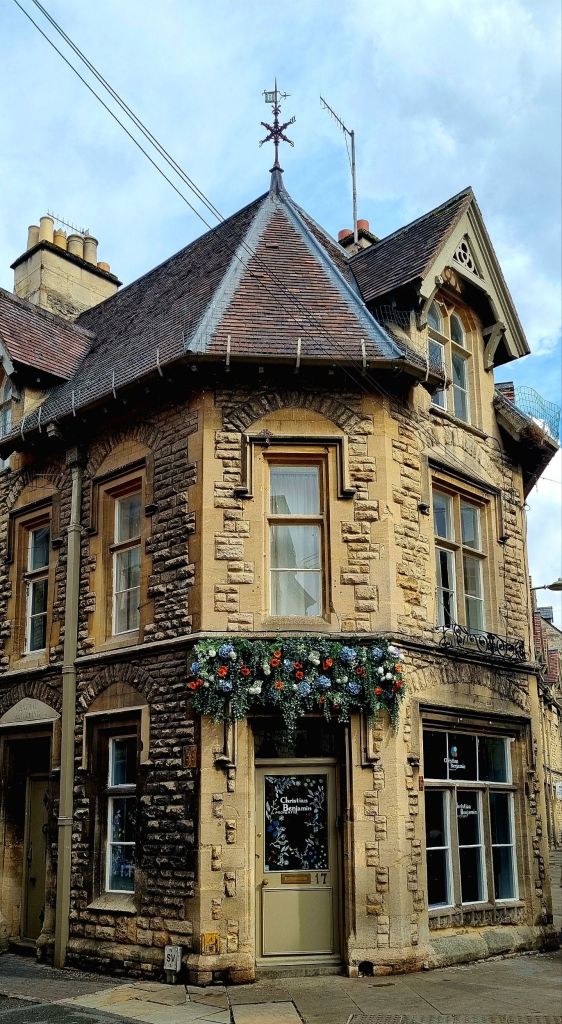
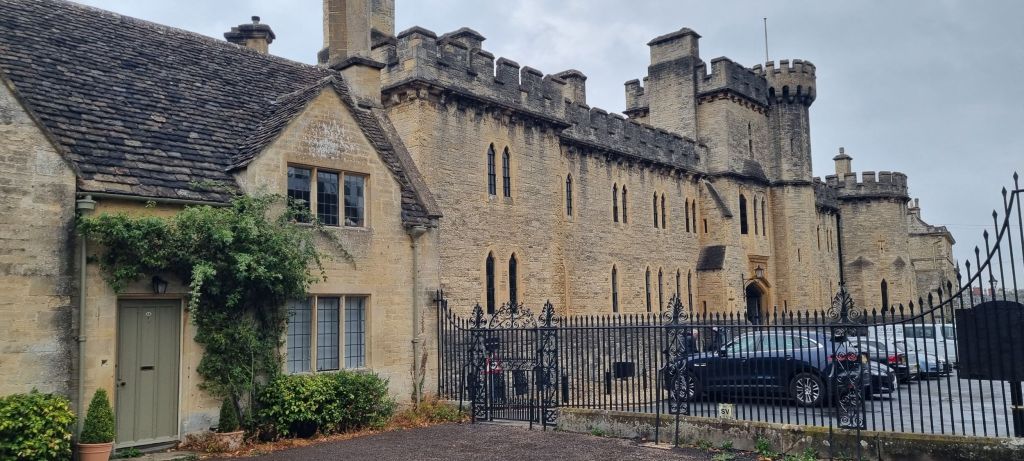
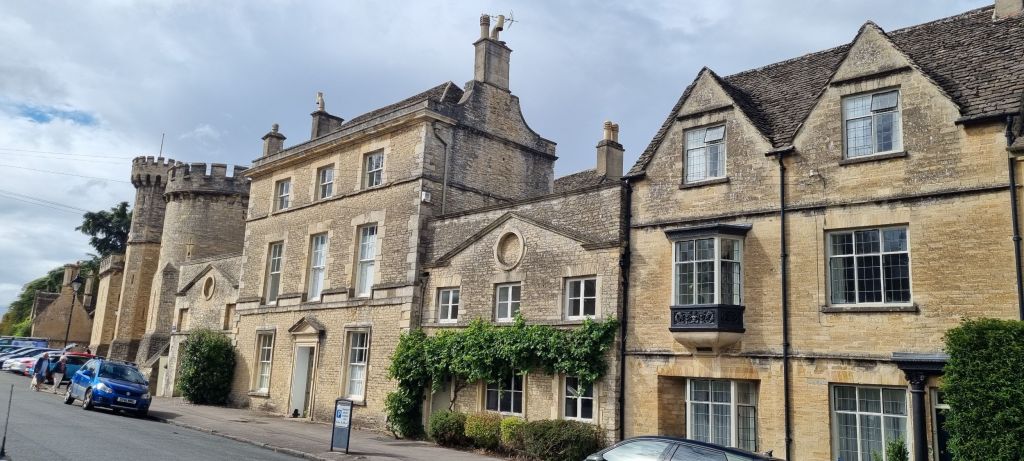
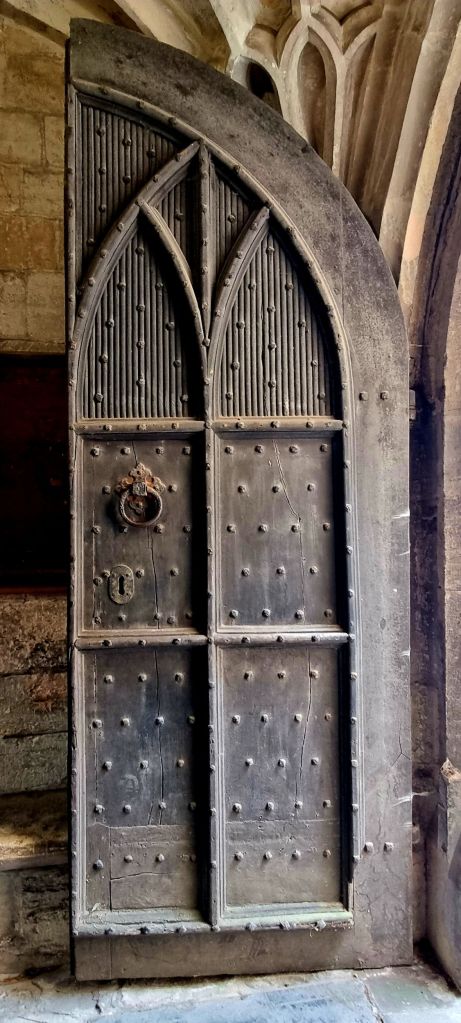
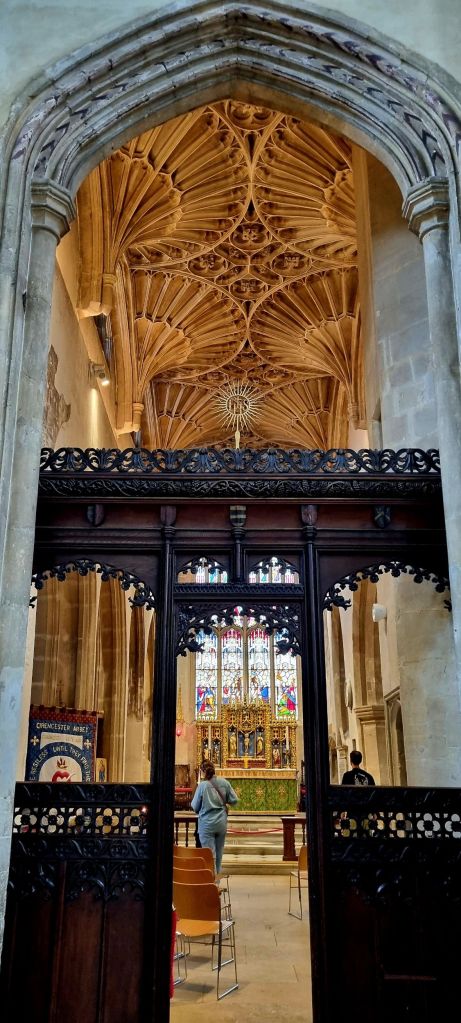
including the central St John Baptist Church with its ornate fan ceiling chapel. Since we visited Cambridge I’ve learnt that each of these stone fans weigh around a tonne. Built and lifted into place at a time of no power tools or hydraulic lifting assistance. Imagine the ingenuity that took.
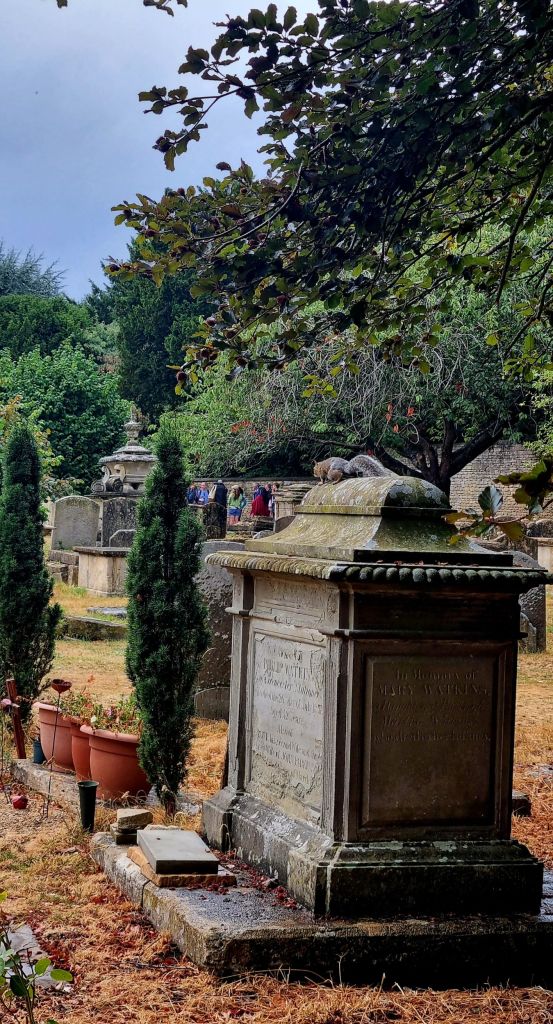
I’m pleased to report squirrels aplenty in the churchyard – a young family feasting on a beech nut harvest. If you look carefully, the mama squirrel is on top of the tombstone at the front.
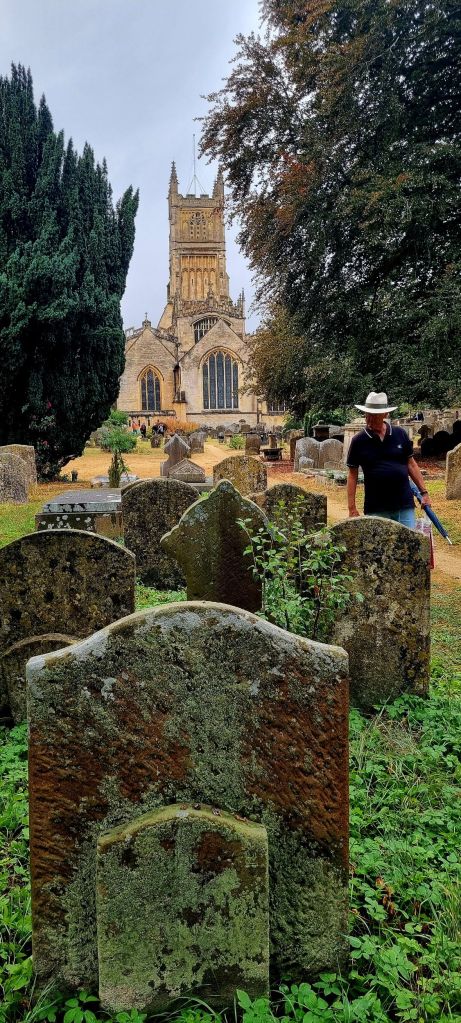
The church tower is visible from virtually all points and makes an excellent navigation tool when exploring – it’s very hard to become lost in a place with a large church tower.
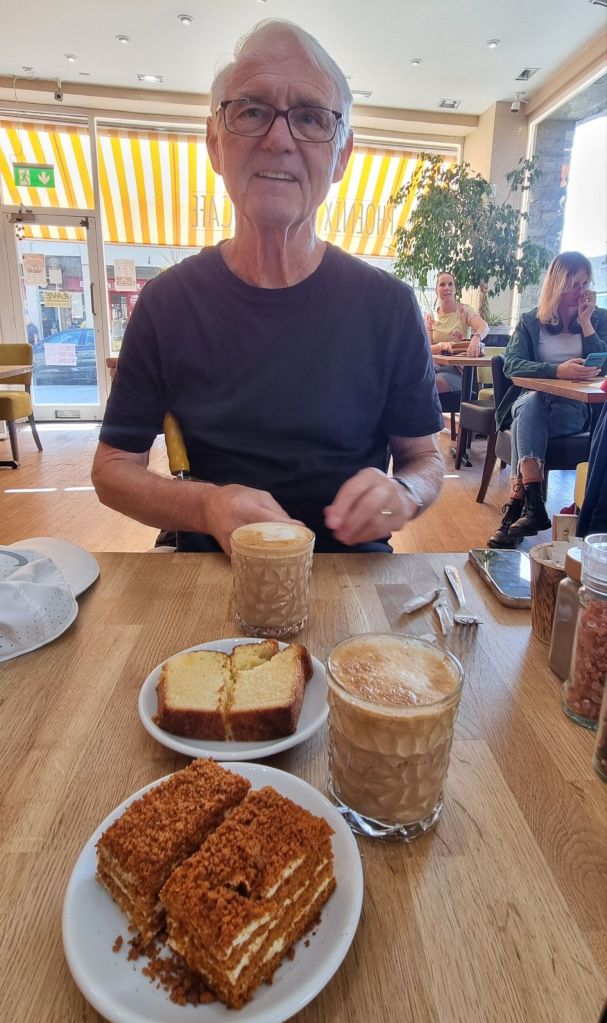
We wander endlessly in between stops for coffee – Russian honey cake is added to my ‘must bake’ list. You’ll see Himself attacked the lemon drizzle before I could get my camera out…
We revisit the Norman Gate,
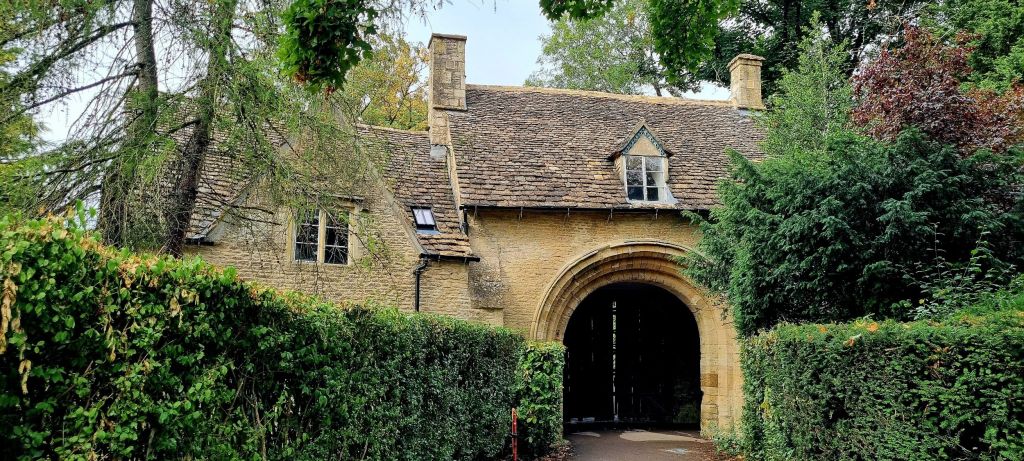
and what’s left of the once extensive Abbey, now a peaceful garden. Henry VIII has left his mark here of course – another Abbey destroyed in the Reformation. En masse, Reformation seems a grab for power and wealth, less so denouncing Catholicism. Plundering on a grand scale.
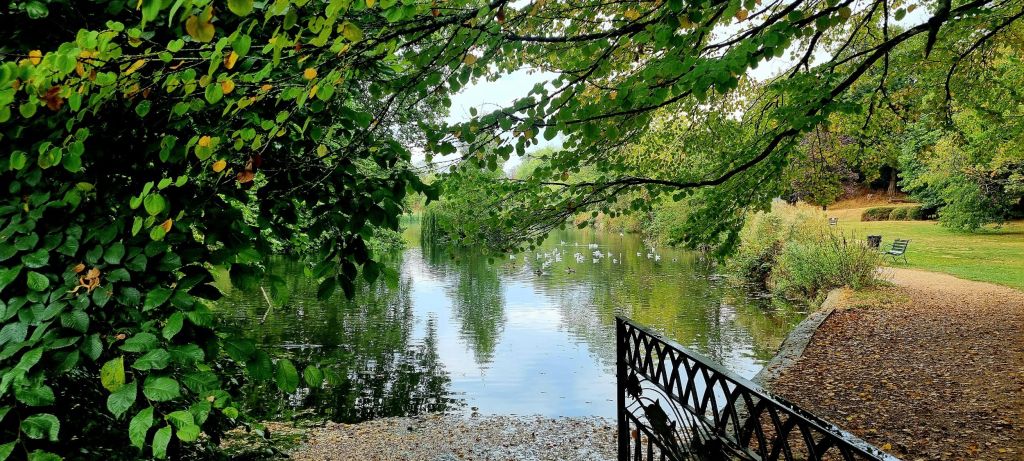
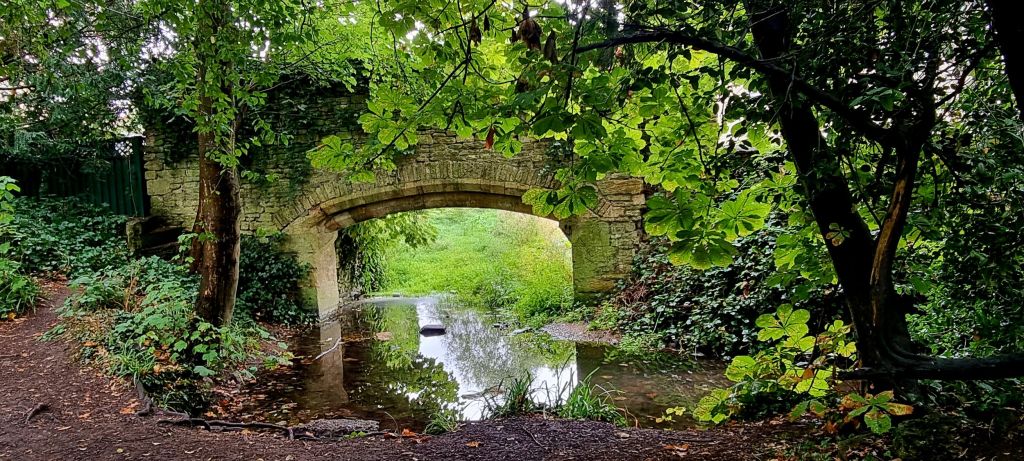
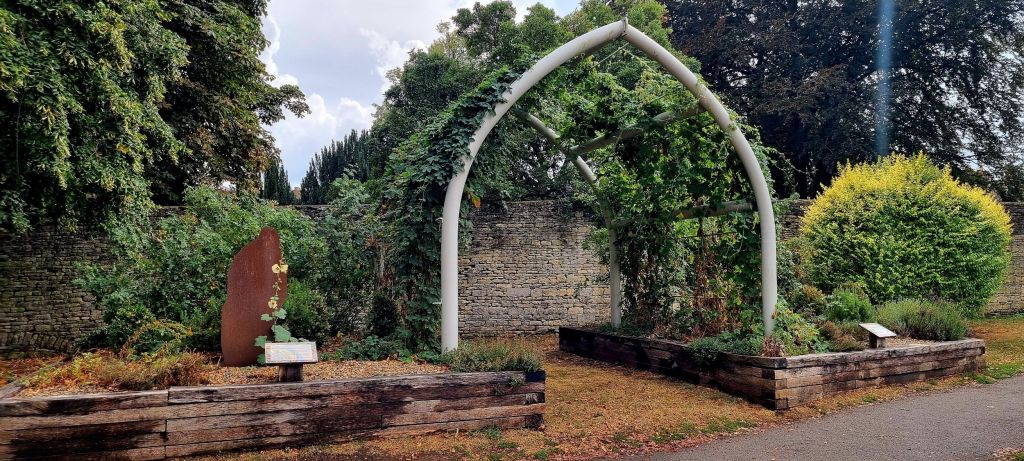
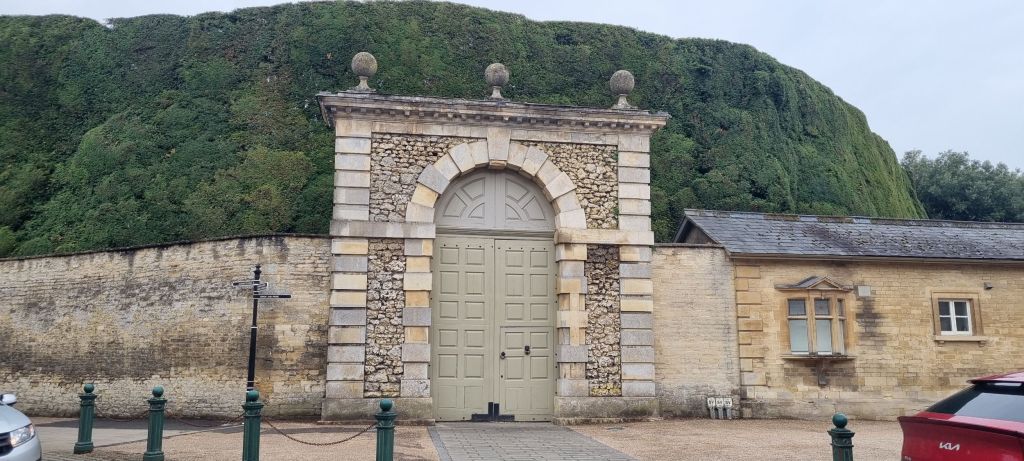
We’re staying in the heart of Cirencester Park, Park of the Bathurst Estate, home to the current and 9th Earl of Bathhurt and the Earls before him since the 1600s. The manor house is hidden well out of public view behind a very impressive gate and ancient yew hedge.
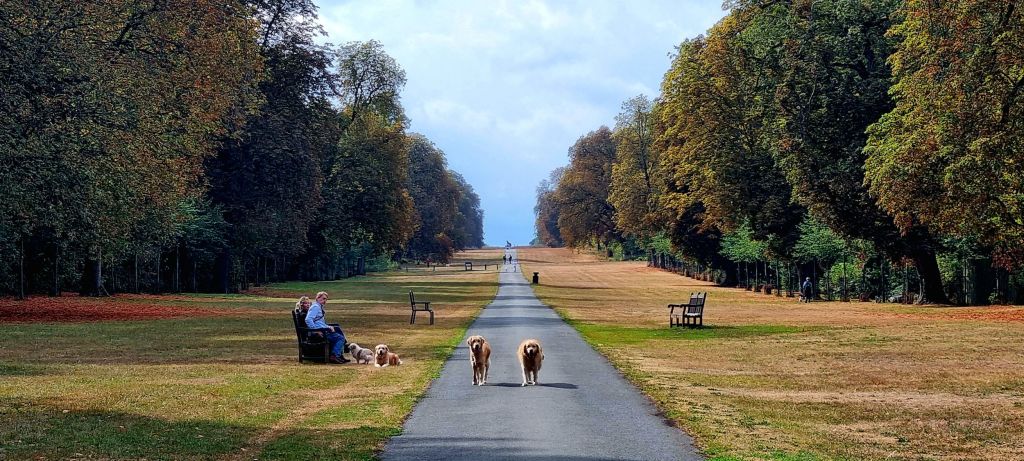
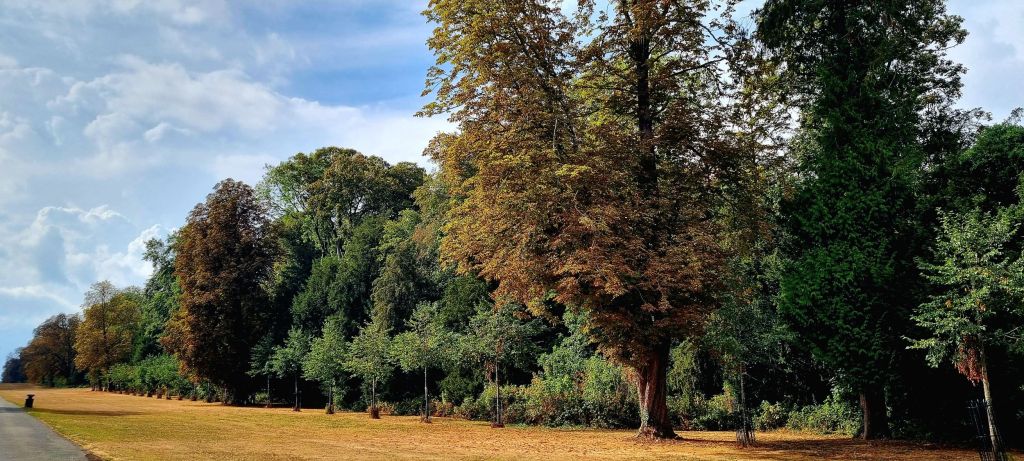
The park is a wonderful place to explore with 3,000 acres of tree lined walks, sculptures, cricket grounds and the UK’s oldest polo club.
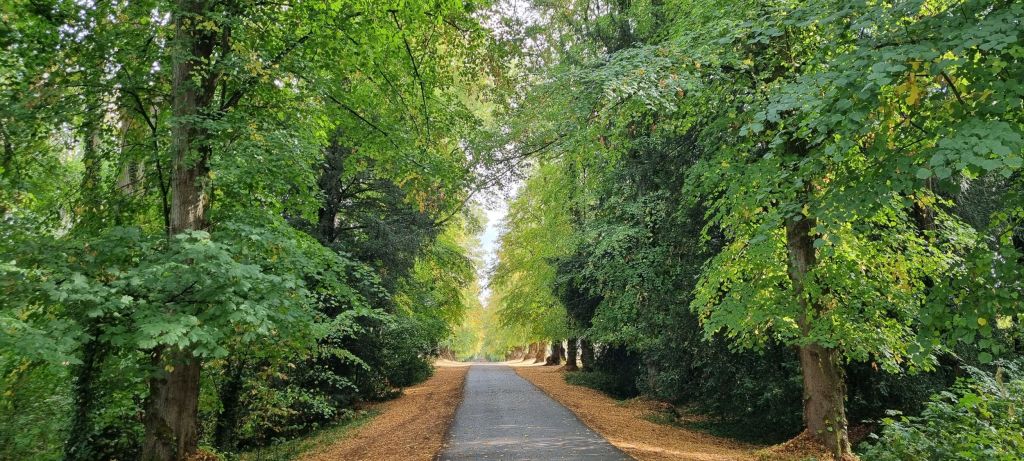
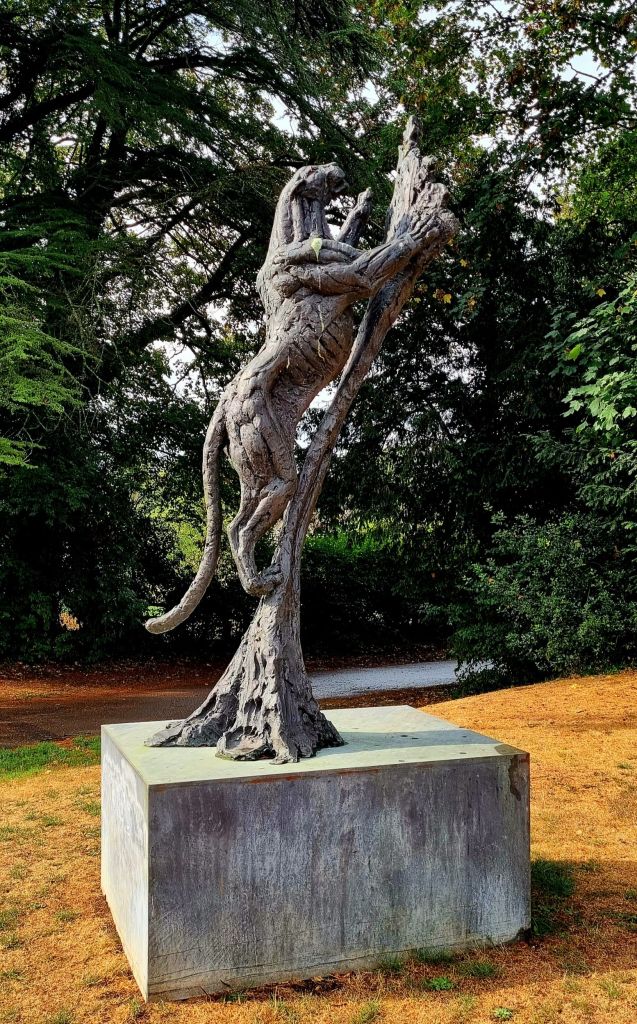
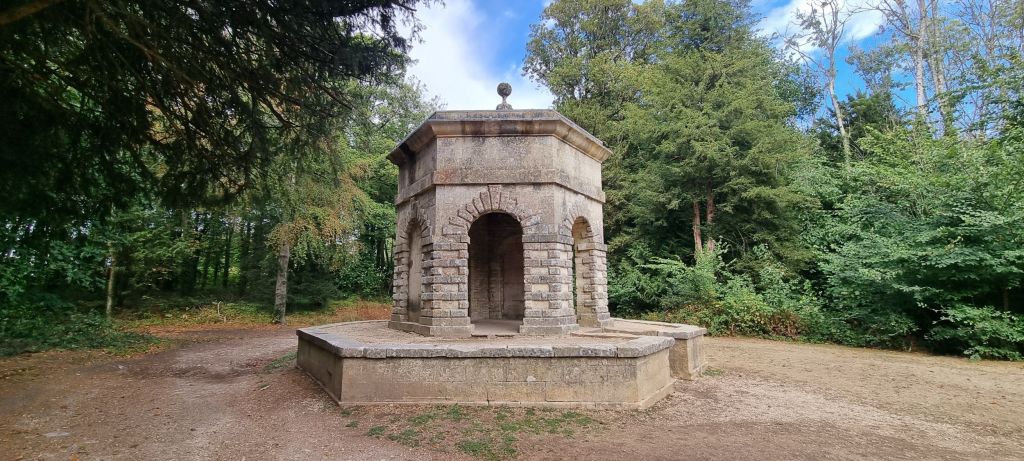
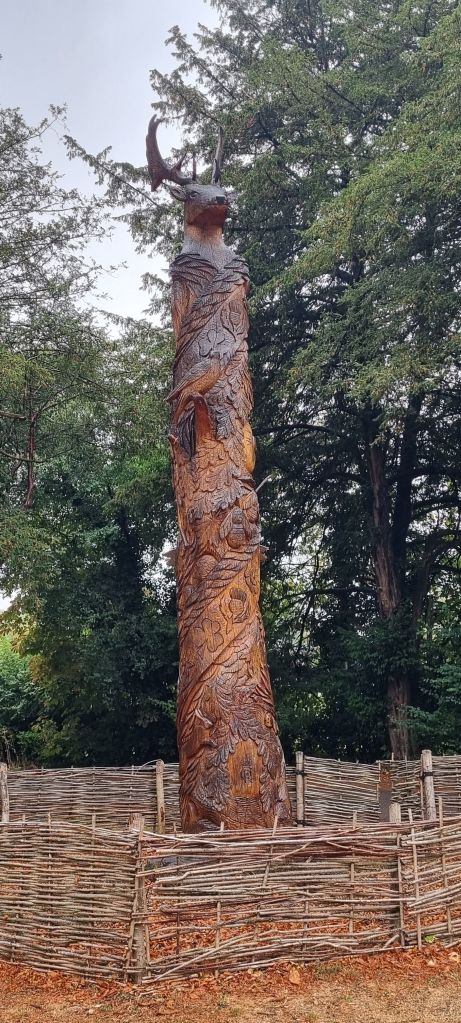
There’s a new addition this visit, a totem, carved in honour of King Charles coronation. It’s a celebration of the natural world, beautifully detailed. The times have caught up with the King at last. Remember when he was criticised for his staunch support of organic farming, the importance of plant diversity, preservation of habitat and architectural integrity? Literally decades ahead of his time.
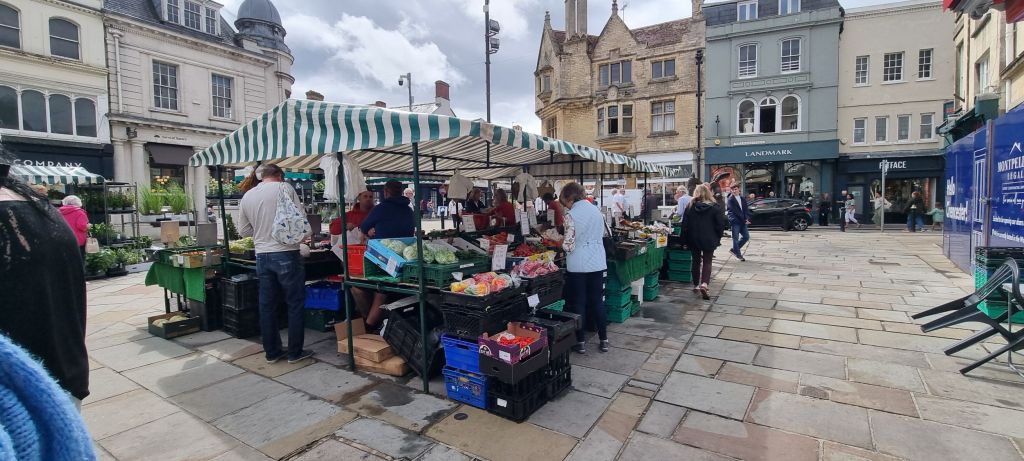
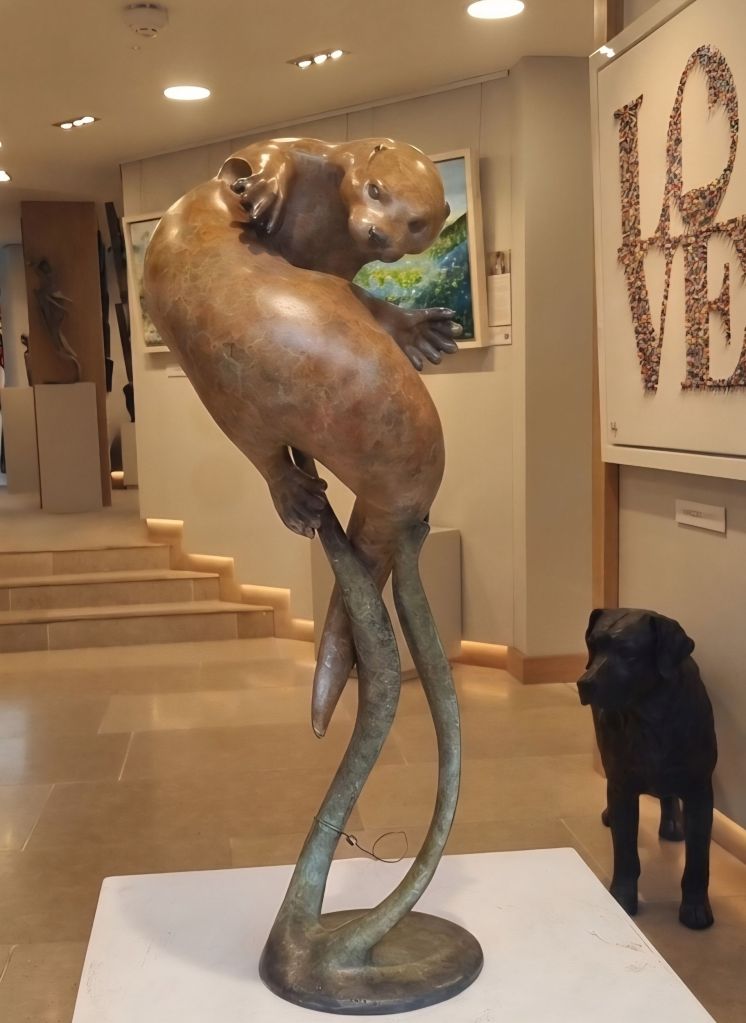
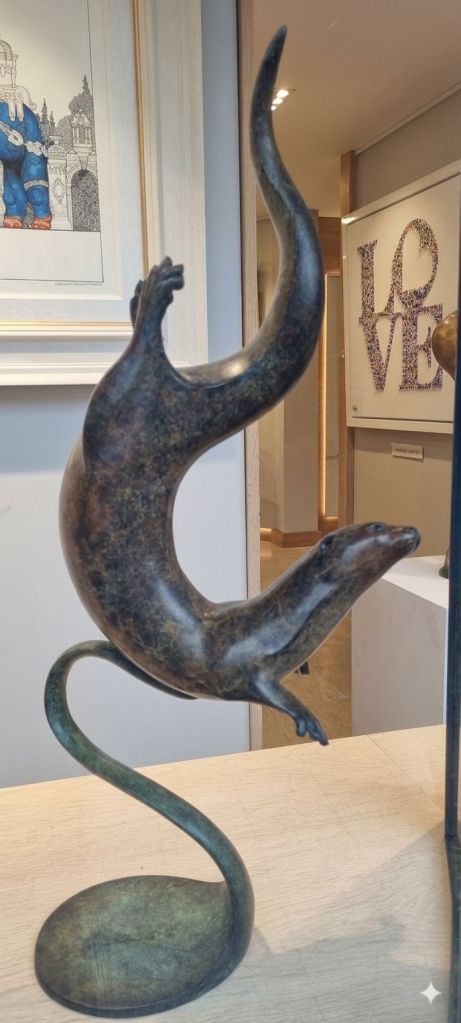
Modern Cirencester is a Cotswolds culinary delight with a wide array of cafes, pubs and restaurants in addition to a thriving arts scene. I was particularly taken with these finely detailed otter sculptures.
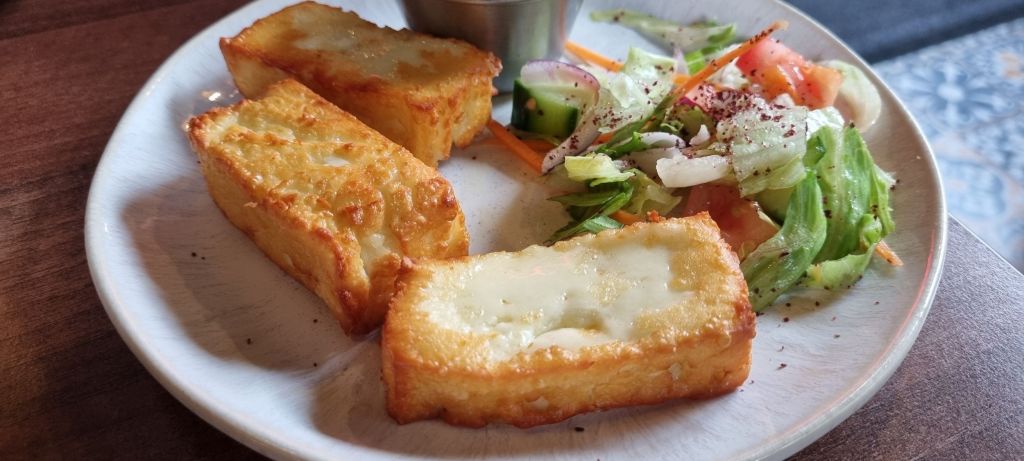
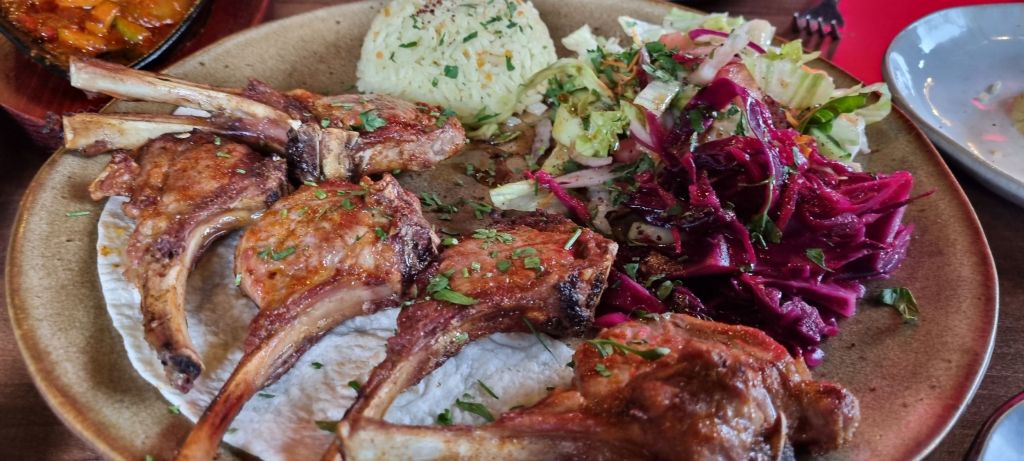
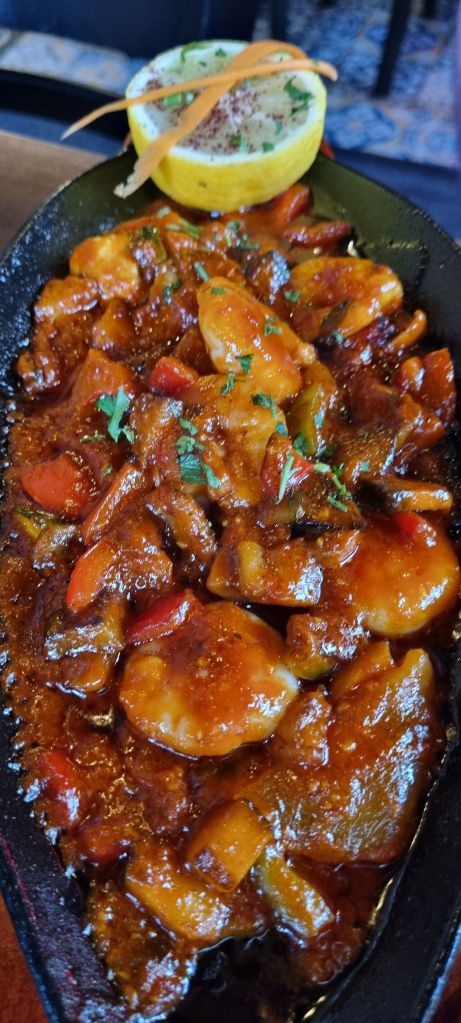
We take the opportunity to enjoy an excellent Turkish meal on a rainy day. Yes, rain. At last. It doesn’t dim a tasty spread of halloumi, lamb cutlets over charcoal and a prawn eggplant delight. Yum!
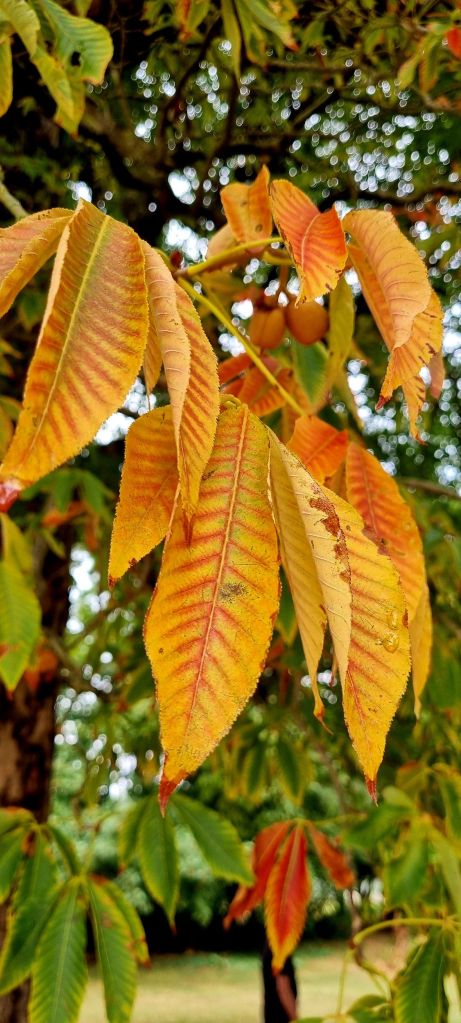
Autumn is creeping in early, but surely and quickly. One can almost hear the sigh of relief as trees shed their leaves and along with them, responsibility for survival through one of the harshest summers on record. Autumn no doubt comes as a welcome relief.
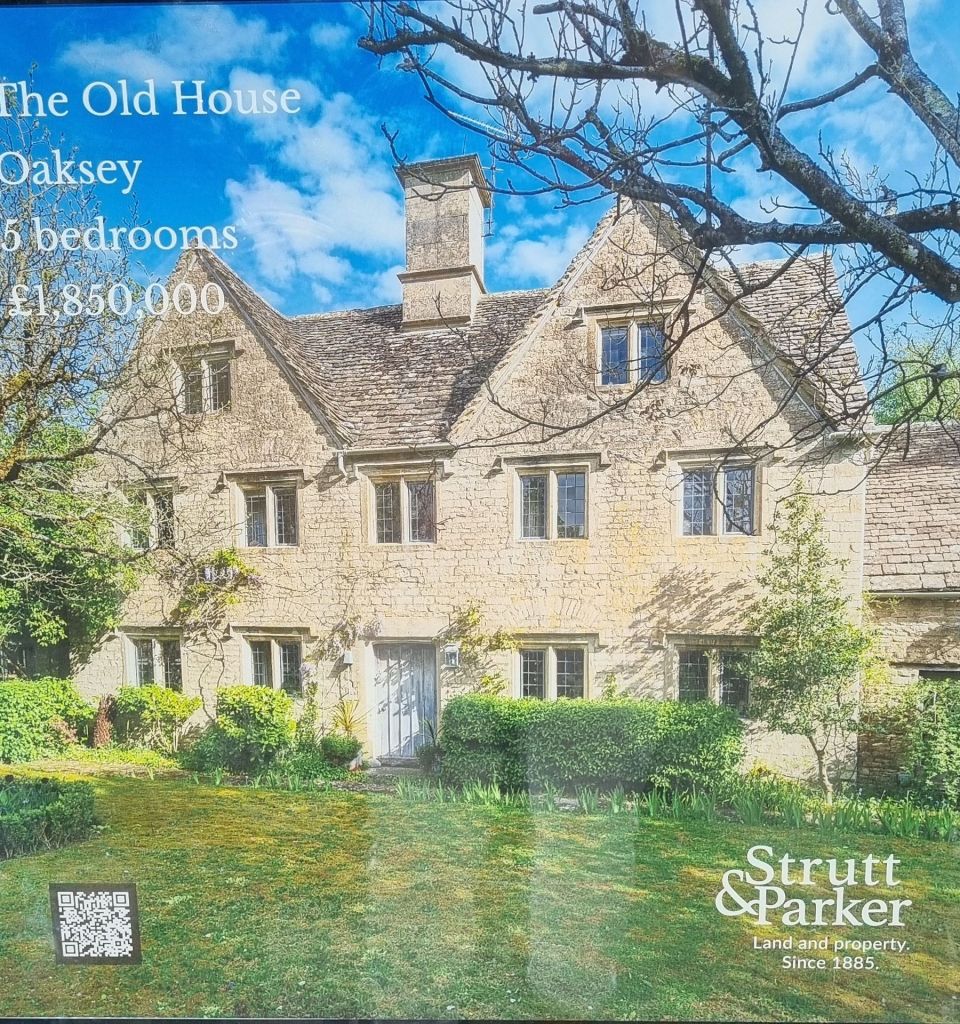
In between Roman, Norman, mediaeval history, a vibrant dining and art scene, and pretty Cotswolds stone architecture, you’d be hard pressed to not find something to entertain you in Cirencester. It’s a bit of a wrench to leave. We have a quick peruse of the local real estate agent’s window. This one would do me quite nicely, thank you. Plenty of bedrooms for visitors too…
Our path out of Cirencester follows in Roman footsteps, along Ermine Road (sadly, no ermine spotted). It’s raining heavily and dawning on me that with more than half our travels to go, I’ve packed for a hot Italian summer but I find myself in a decidedly cool and rainy English autumn. Hmm.
Day’s end sees us at a country pub for dinner. We’ve renewed the Brit Stops app which is proving very useful. In recognition of the proliferation of motorhomes, pubs have woken up to the fact that they have large car parks ready to be filled willing motorhome customers. It’s a great tool for finding a spot prop for the evening when you don’t feel like cooking and don’t fancy staying in a campground.
We’re also a step closer to tomorrow’s adventure. Stay tuned – of all goes to plan it’s going to be *fabulous*.

