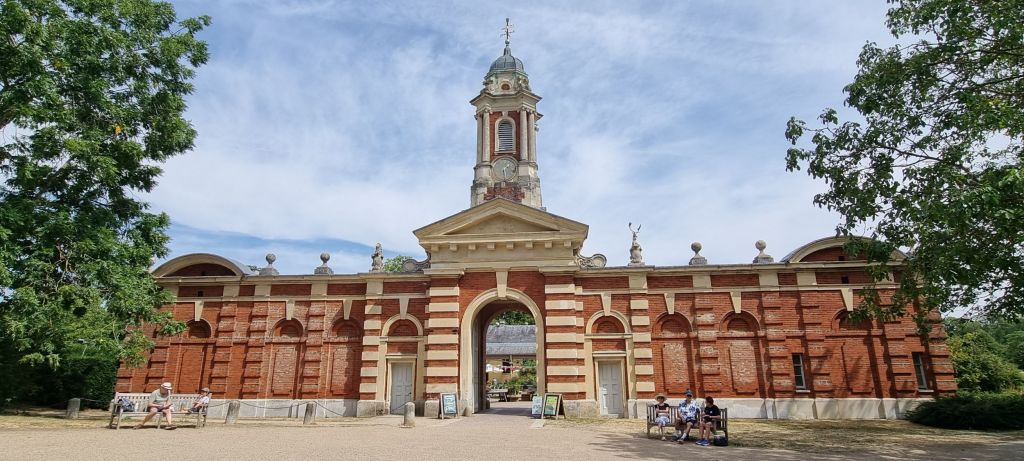
We’re visiting Wimpole Hall today, National Trust’s largest property – an impressive 3,000 acres. Now I don’t know about you, but I’ve never really wrapped my head around acres. I can visualise kilometres though. It’s huge! There are a series walks, two of which are 7 km each, the other a tad shy of 9 km and they only cover a fraction of the estate.

Set at the junction of two major Roman roads, the Wimpole estate spans over 2,000 years of history and features the largest country house in Cambridgeshire. Whilst archaeological digs have unearthed earlier settlement, Wimpole was first recorded in the Domesday Book in 1086, noting a moated manor house and a small deer park. The origins of the building we see today however were designed and built between 1640 – 1670 by the then owner Sir Thomas Chicheley. Wimpole was subsequently extended throughout the 18th century.
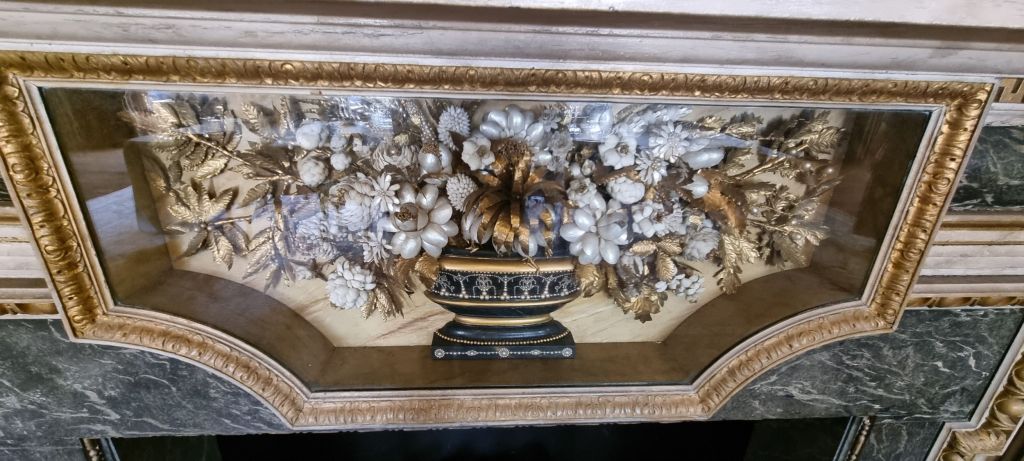
They clearly did good work. Wimpole was sufficiently impressive to coax Queen Victoria and Prince Albert to visit. A portrait of a very young Victoria still has pride of place…and just look at the intricate mother of pearl detail in the fireplace below her portrait, unusually encased in glass.
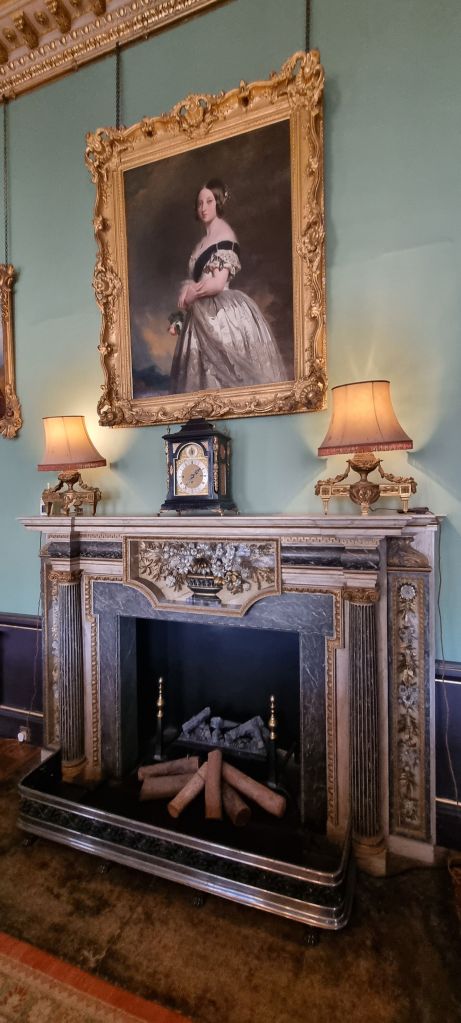
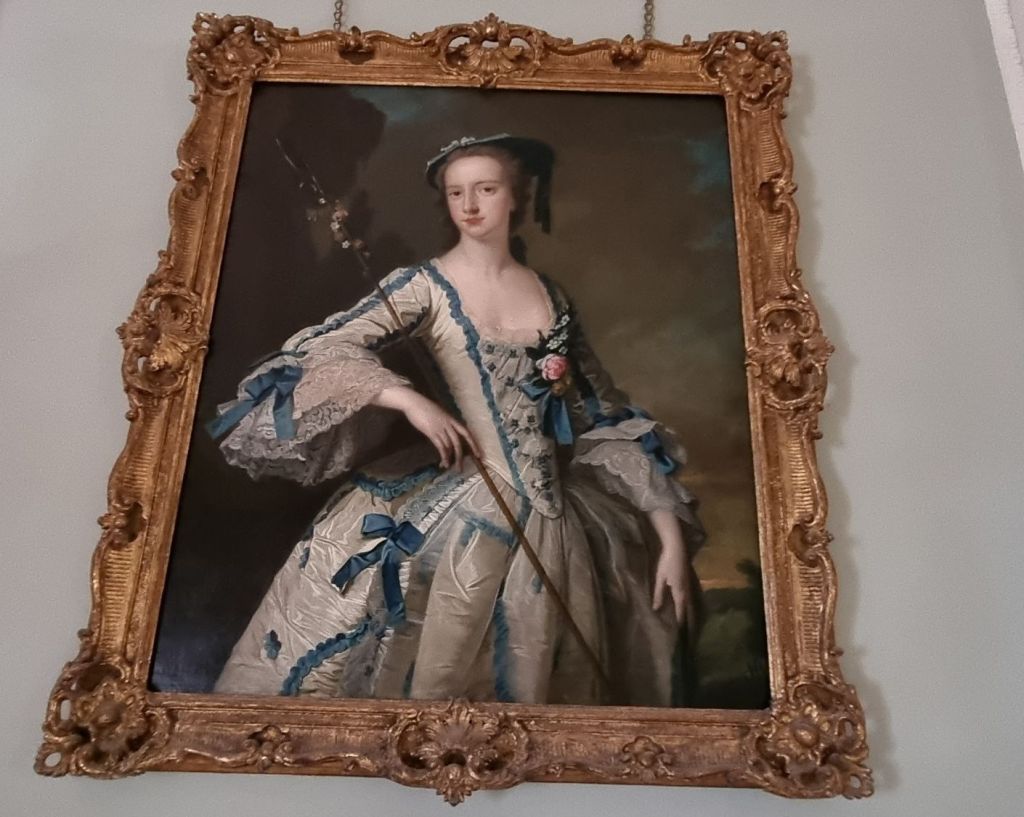
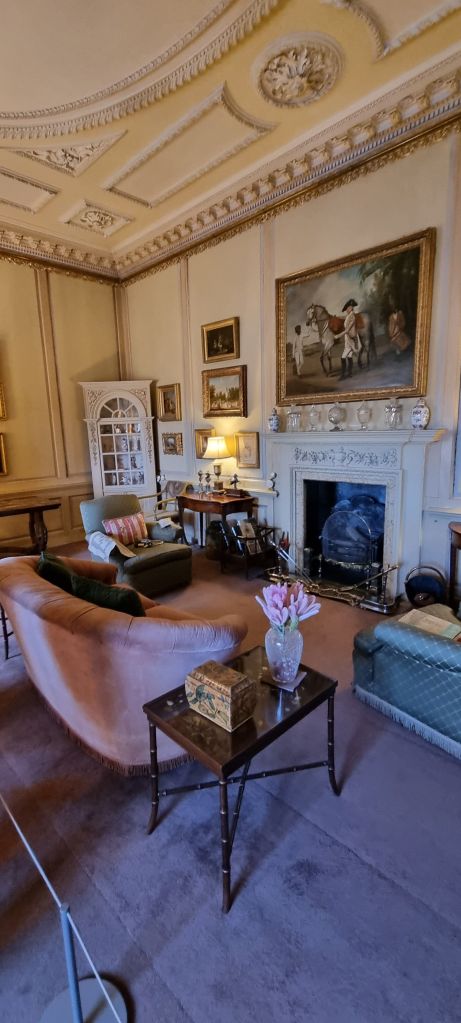
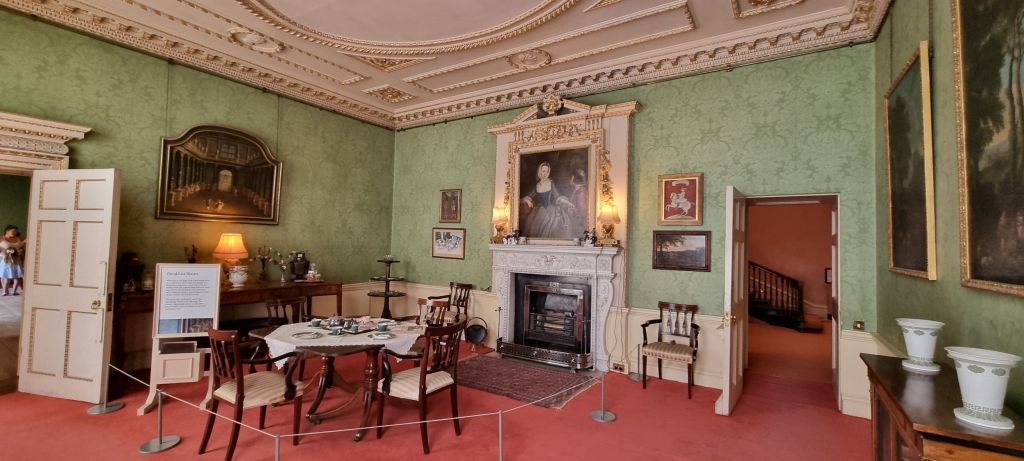
Today’s Wimpole formal rooms are lavishly Georgian.
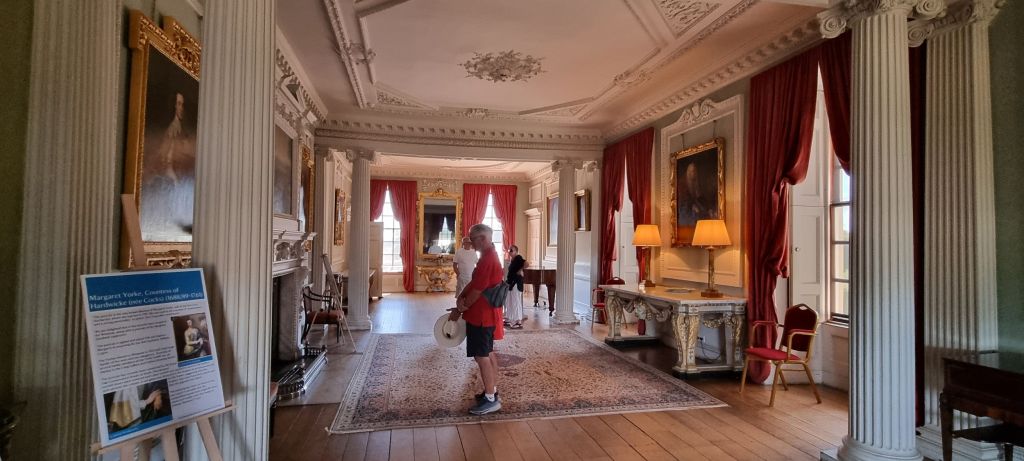

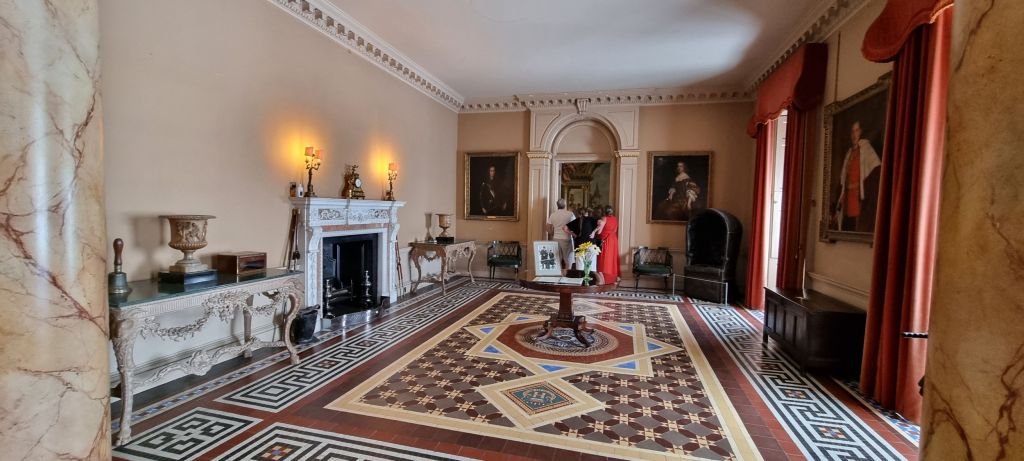
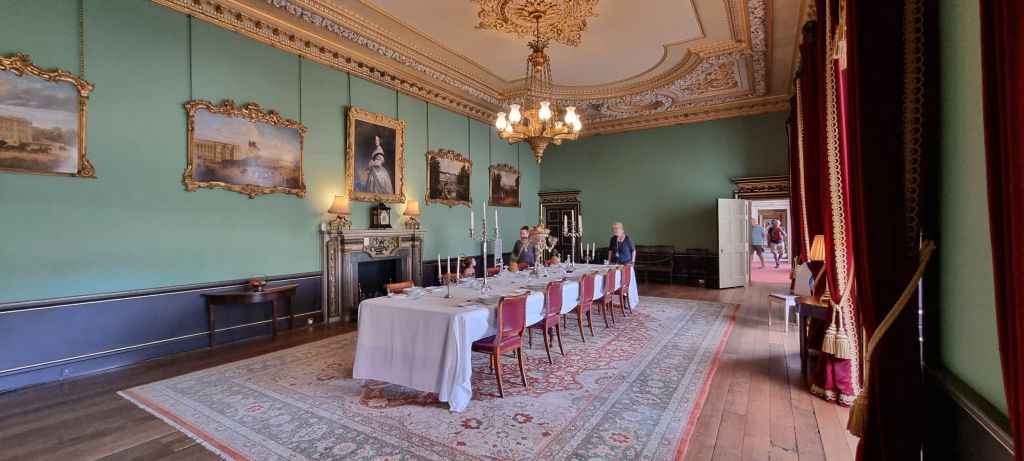
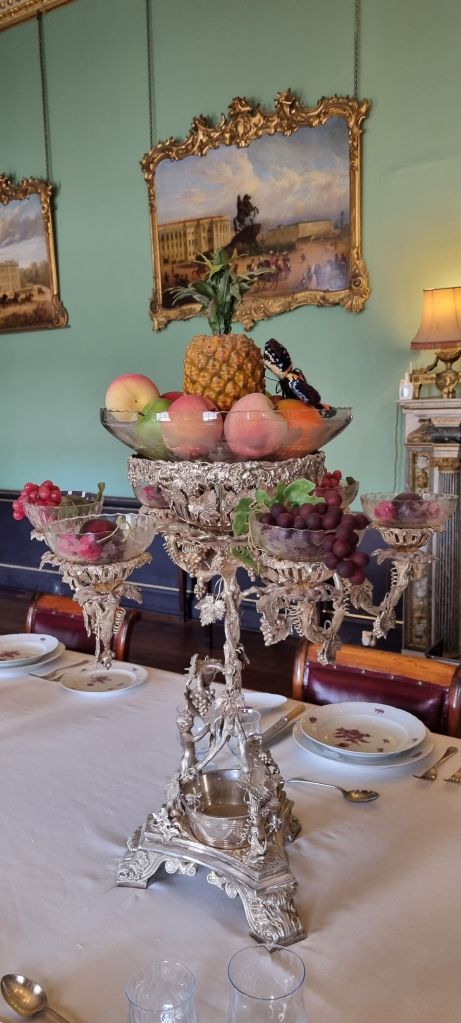
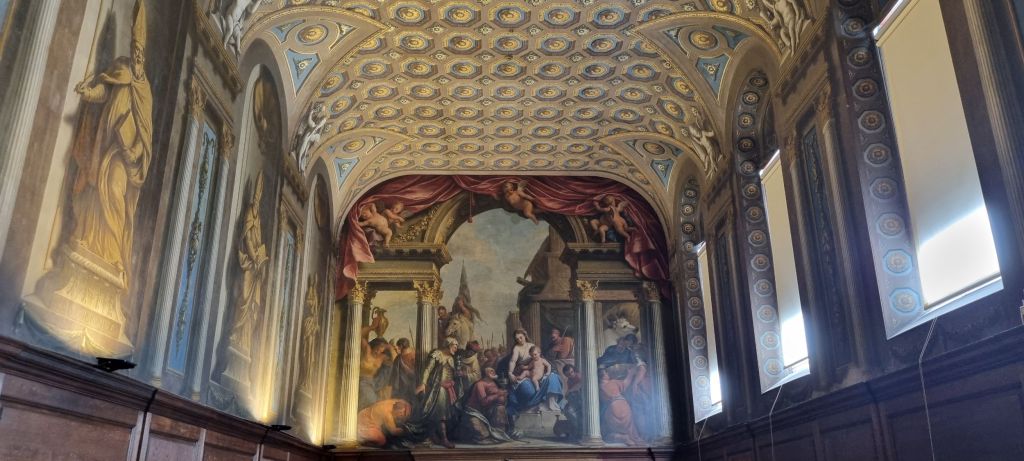
The 18th century works include the addition of a chapel with trompe l’oeil decorations. Imagine the sore neck from painting that illusion ceiling!


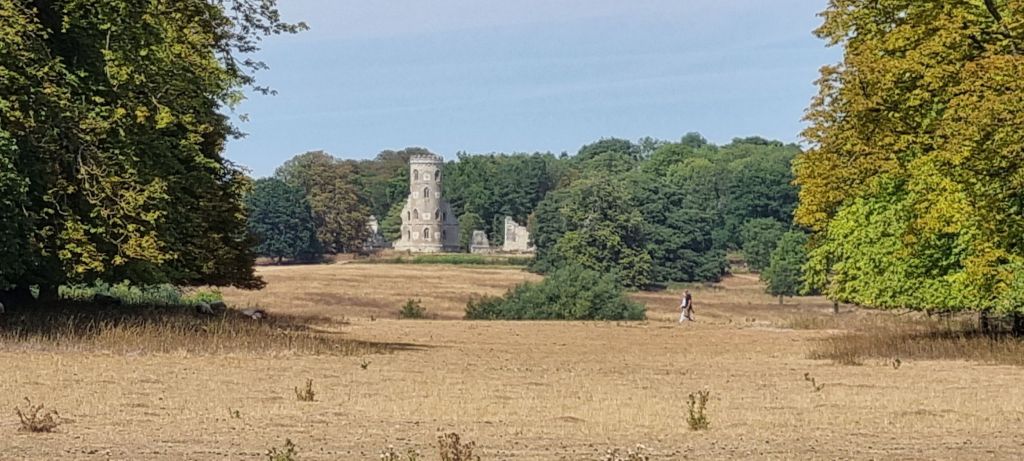
Wimpole’s grounds have also undergone significant transformation through the centuries including the establishment of a grand 2.5 mile straight avenue and significant works by landscape ‘Capability’ Brown who added lakes and a Gothic folly. Follies were all the rage at one point. Fancy your own private Acropolis, Pantheon, or castle ruins perhaps? Wimpole opted for the latter. I can just picture it. ‘That view’s is a bit boring Darling…let’s just fix that shall we?’ Instant history, even if you have to build it yourself….
Wimpole was last privately owned by Captain George and Mrs Elsie Bambridge, Rudyard Kipling’s sole surviving child. They bought Wimpole in 1938 when it was almost devoid of contents. Over the next four decades, they set about furnishing and decorating, seeking pieces that were either once at Wimpole, had strong connections to the estate or to previous owners. It must have been an heroic effort. Wimpole today presents exquisitely faithful to its period – a grand manor house at the height of its magnificence.
Alongside the formal Georgian rooms are cosier 20th century rooms reflecting the Bambridges’ personal tastes. These ‘modern’ rooms would be a perfect setting for an Agatha Christie murder mystery.
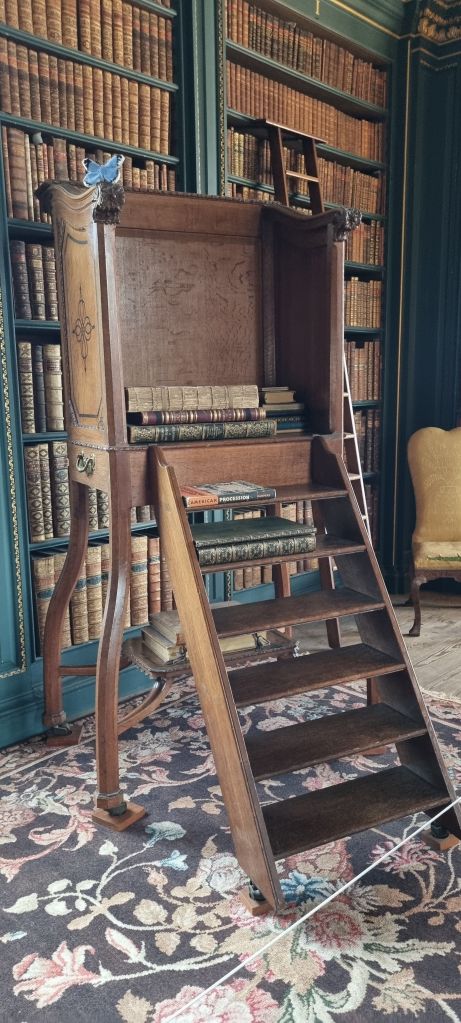
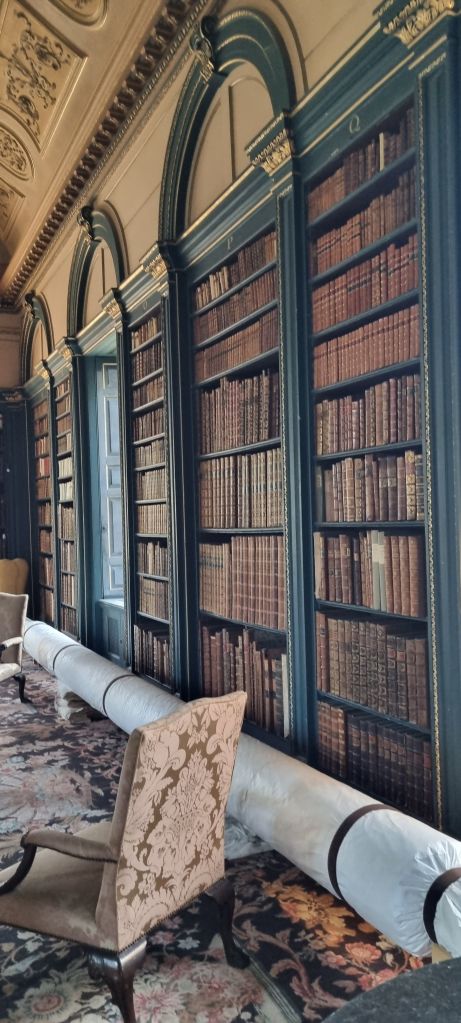
Wimpole boasts a magnificent library, housing over 10,000 books. At the height of the collection, a full-time librarian was employed to manage it – the formal cataloging is a pleasure to see, as was this rather fabulous library ladder.
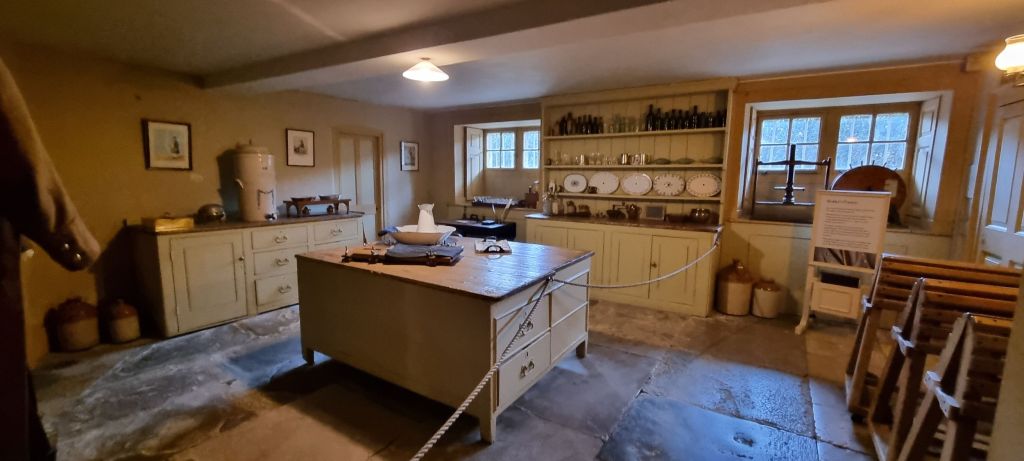
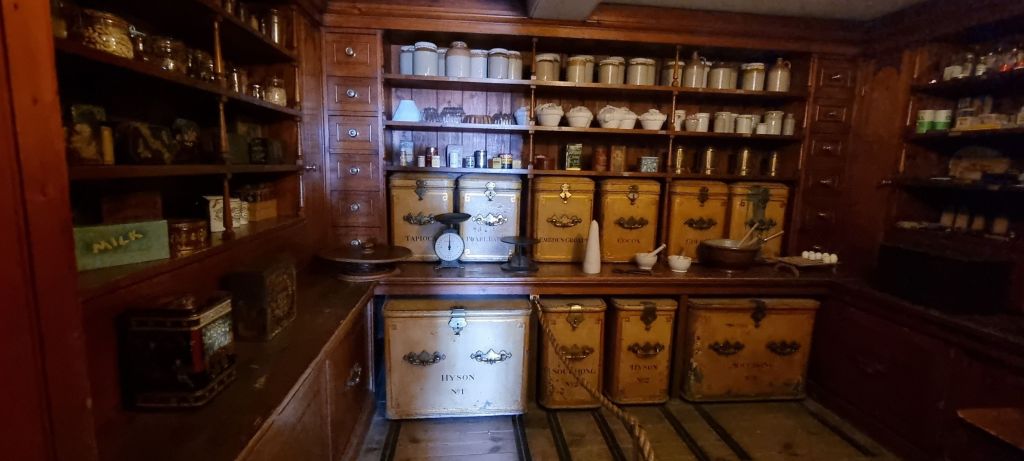
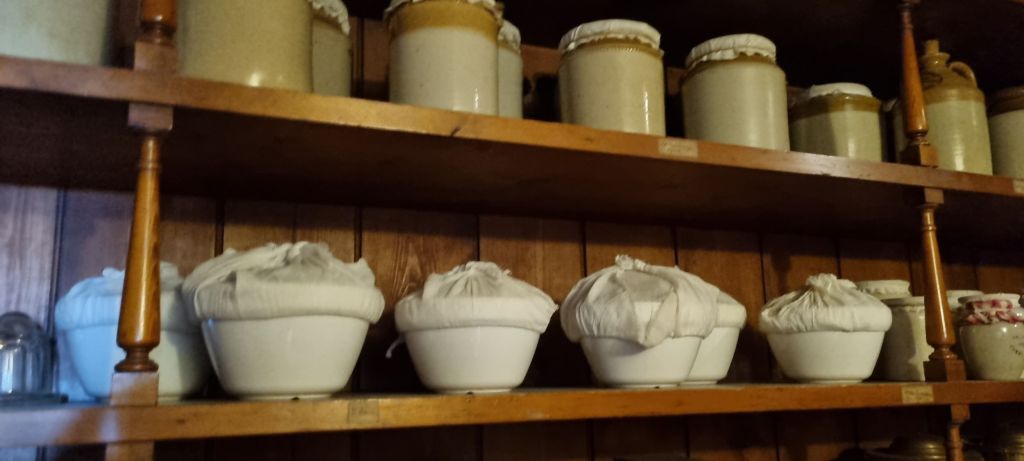
Meanwhile, in comparison to the grandeur of upstairs, the basement is a much more austere affair. Downstairs features generously proportioned housekeeper’s and butler’s rooms, and a well equipped larder. The servants may have had the last laugh. Whilst we feel the effects of the heat in the formal rooms, downstairs remains cool as a cucumber. I wouldn’t like to experience them in the depths of winter though….

But has magnificent as the house is, it’s the walled kitchen garden and grounds that are my highlight.

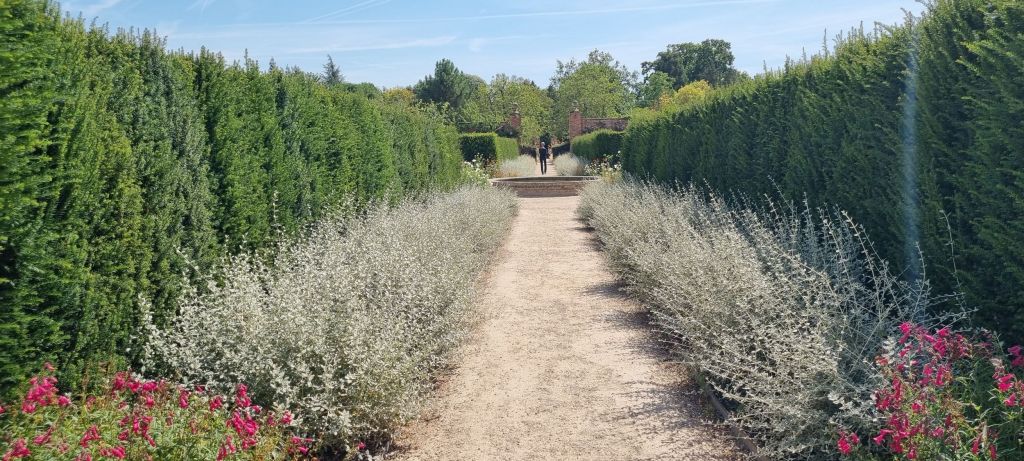
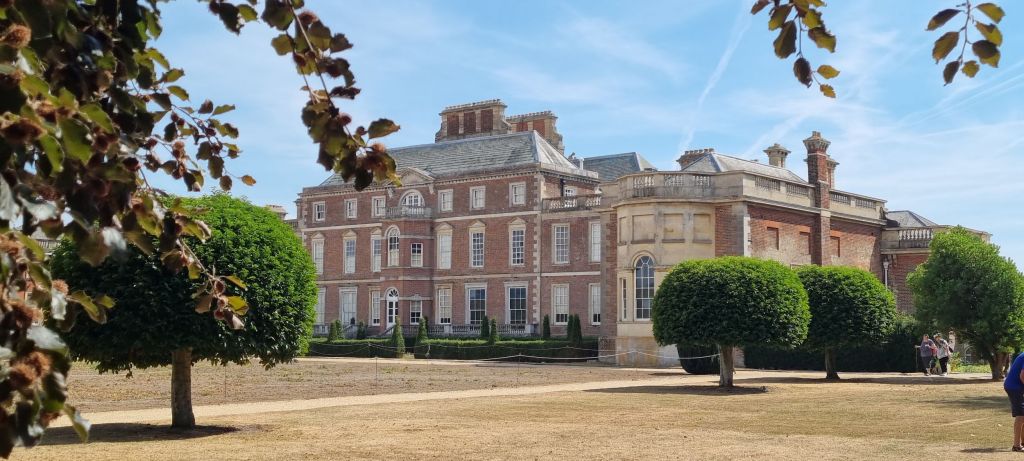
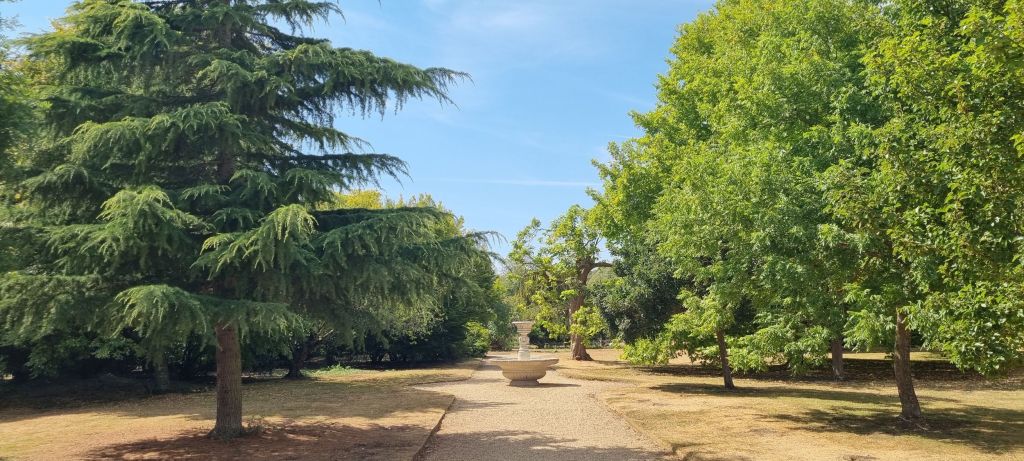

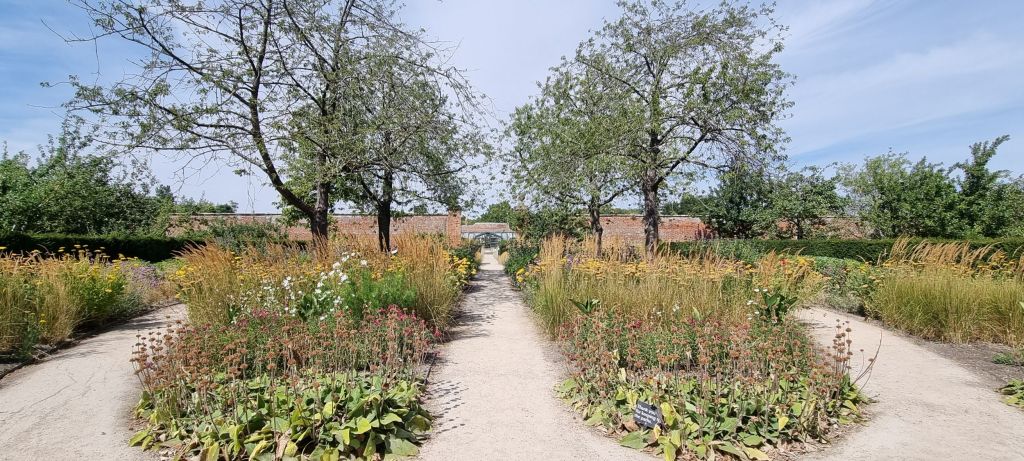
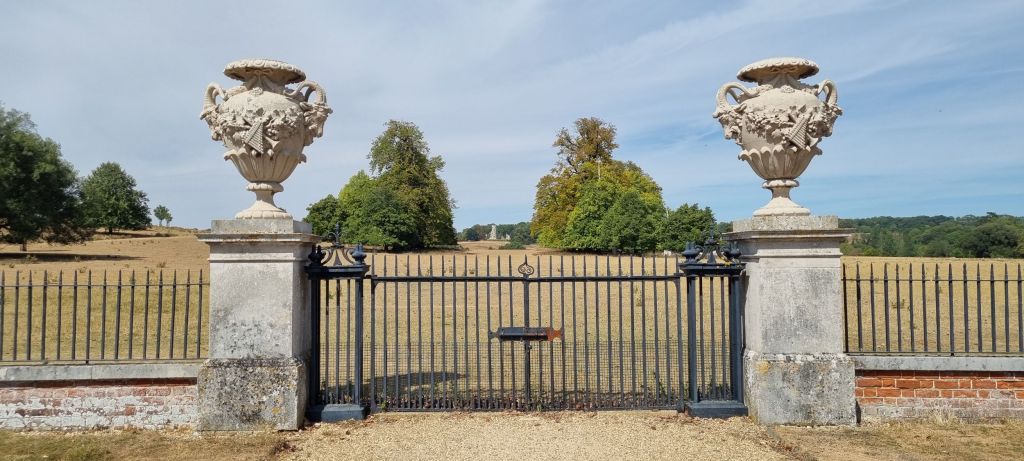
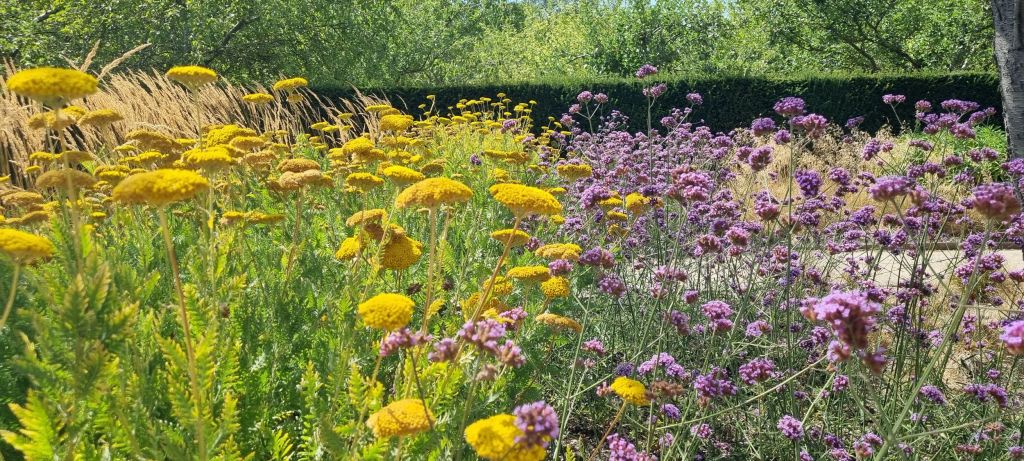
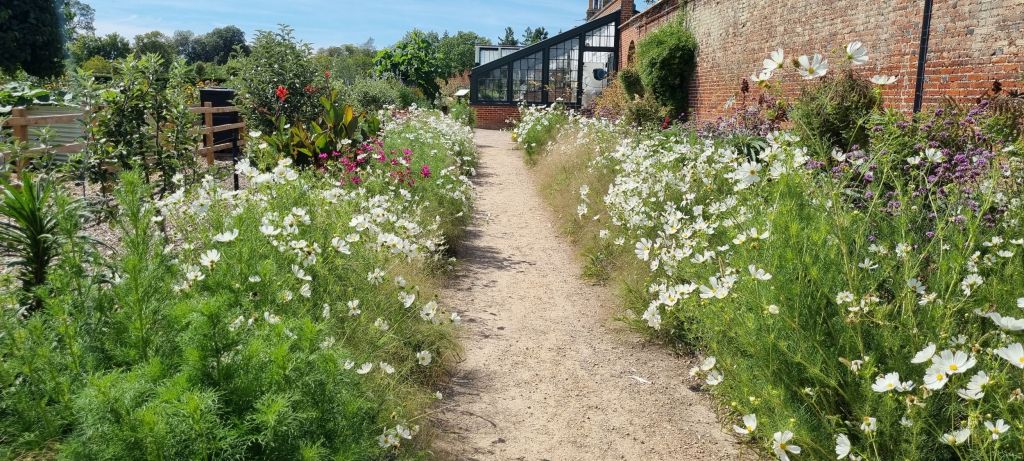
We’ve been to a number of National Trust properties on this trip but this is the first garden that appears to be winning the fight against the effects of the heat. I can only imagine the enormous effort this would require of the gardening team. There’s no doubt that the heat has had an impact but this is a thriving garden by anybody’s measure with fruit trees, vegetables and flowers as far as the eye can see.
Somebody in the team has a very fine hand with tomatoes – I’ve never seen such heavily laden plants. There’s a generous cottage attached to the edge of the walled garden, once the Head Gardener’s residents. I’d be quite happy there thank you very much…..especially if I could help myself to those tomatoes.

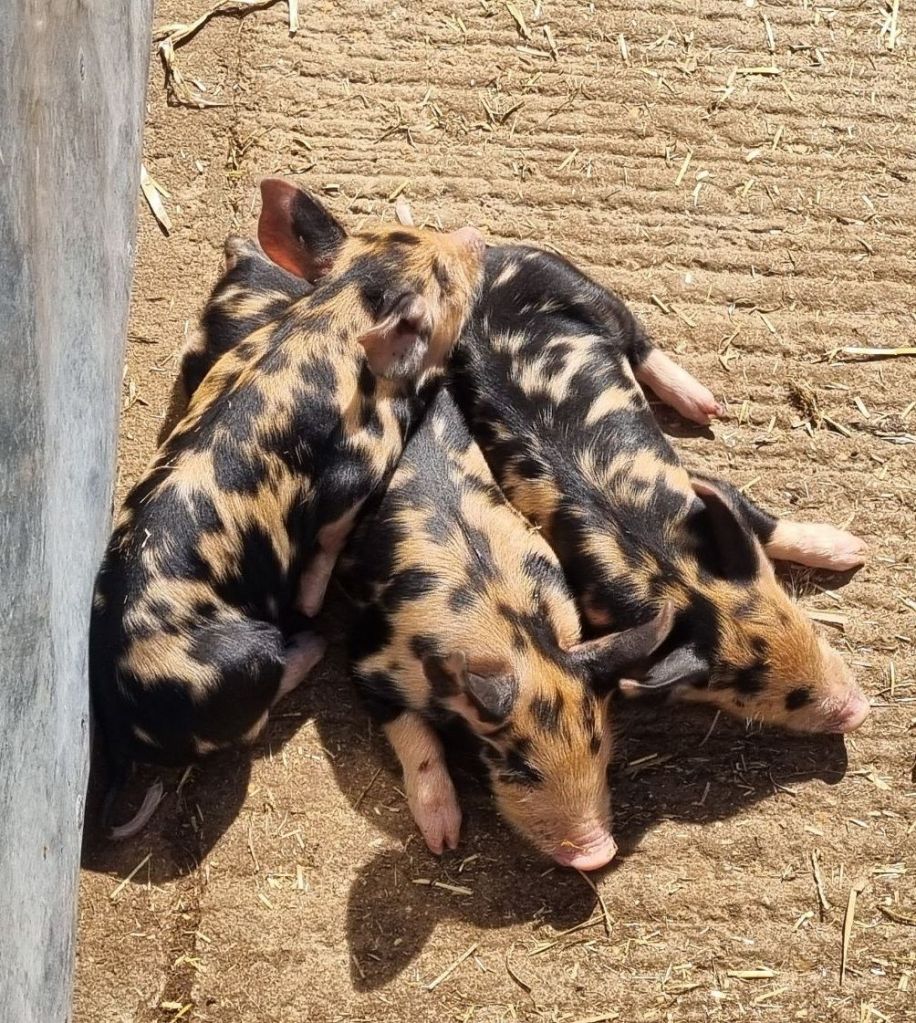
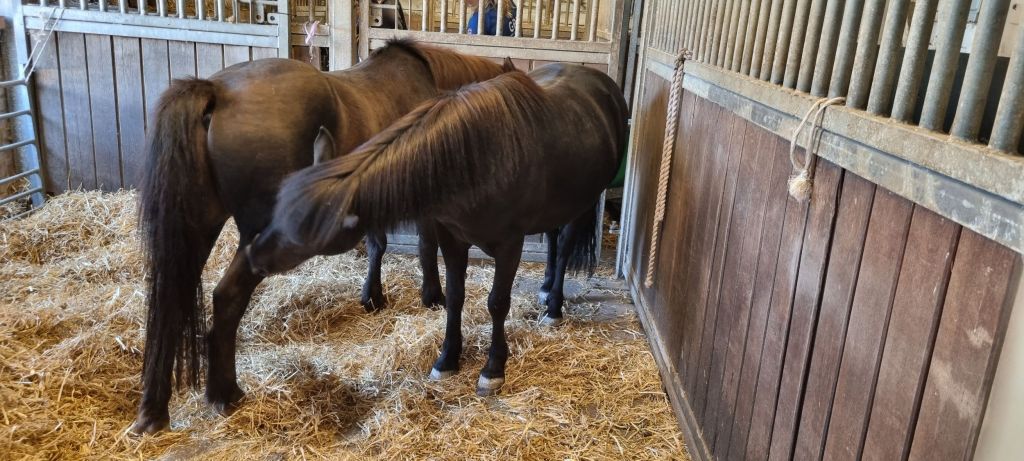
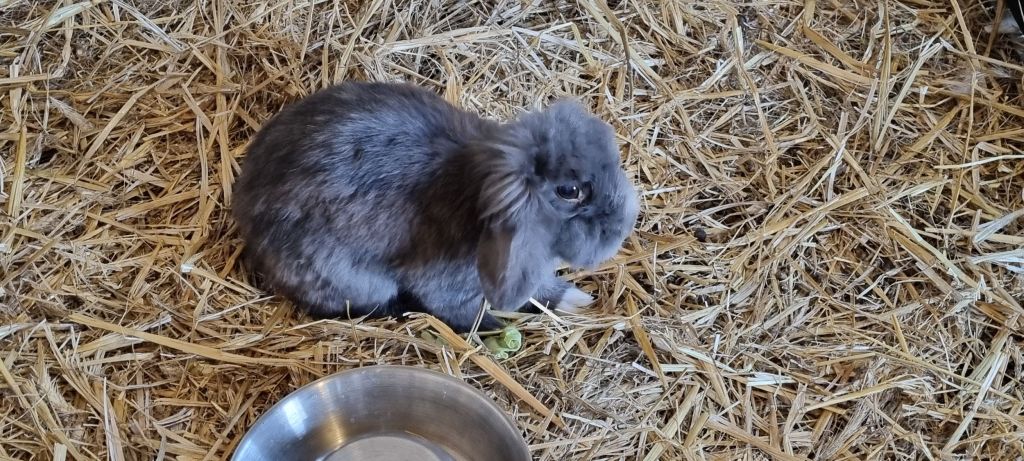
Wimpole also operates a sustainable working farm, the only one of its kind in the National Trust. It’s home to many rare breed animals including Shire horses, fancy fluffy chickens, Dartmoor ponies, spotty pigs, sheep, cows and goats, actively working on breeding programs to save them from disappearing. There’s even a sweet bunny who looks very much like my buddy Mr Cecil! I manage to steal a pat from a wee pocket sized spotty piggy. God he was cute…

Himself eventually tears me away. Always a difficult task when creatures are involved. It’s a hot day and he’s starting to grumble. I can’t talk him into a walk to the folly. Fair enough I guess – it’s a good hike away. I do manage a potter around the gift shop and nursery, situated in what were once very impressive 19th century stables.
What a life it must have been!