
Daylight comes with a side order of recalcitrant acceptance. So it won’t be Europe. Hopefully Himself will make good his promise to take me back to Italy another time – after all, the first trip we did there was truly fabulous and there wasn’t a motorhome in sight.
In a rare show of unity we’ve decided that staying in England is our best bet. At least until our return appointment to the workshop. Horrors of finding ourselves stranded in the Alps or worse, on a ferry, have firmly grounded us. Motorhomes are heavy, tricky things – whilst you can reasonably rely on most workshops to work on cars, once you scale up to 5 tonnes you need truck engine, brand specific specialists, with heavy duty hydraulic lifters. The chances of finding such a place in remote European country/mountainous locations are slim. England it is, we reason, not straying too far from our eventual return destination.
Luckily, there’s still plenty of offer, including our old favourite, the National Trust. It’s one such place that’s our destination today – Barrington Court, one of the Trust’s earliest acquisitions, bought shortly following the Trust’s inception in the late 1880s.
Having purchased it, the Trust found itself in the unenviable position of not being able to maintain or restore it. Coffers must have been exceptionally slim in the early years.
The solution came through a post WWI offer from Colonel Abraham Lyle who negotiated to undertake a 99 year lease on the estate for the princely sum of £500 per annum. It was granted on the proviso that the Colonel undertook to restore the house and grounds to the Trust’s (and presumably his) satisfaction.
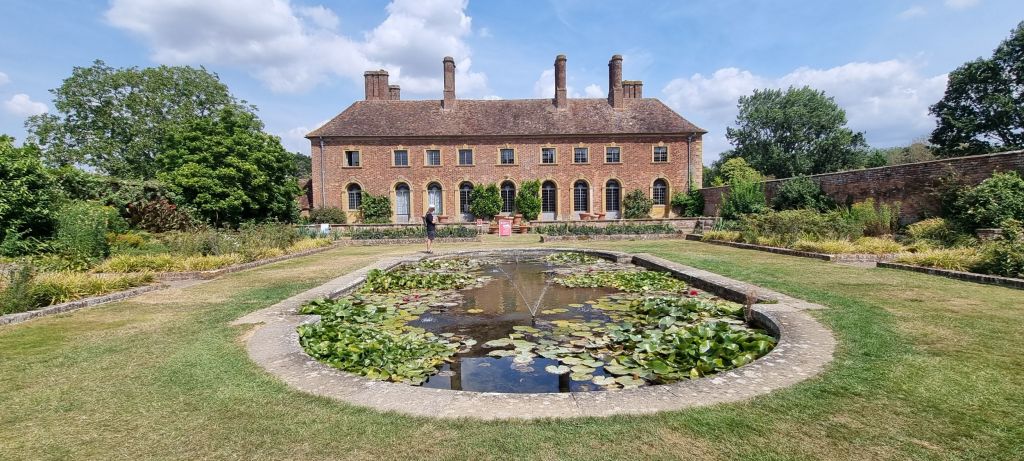
As one might appreciate, this took some doing. Given that the original 1550 Court house was in a significant state of disrepair, the Colonel and his architect set about converting the 1674 built stables into a family home eventually linking it to the old Court house through a hotly debated corridor. I couldn’t quite get both parts of the Court house and the stable in shot with the conjoining corridor but you should be able to make it out at the edge of each photo below.
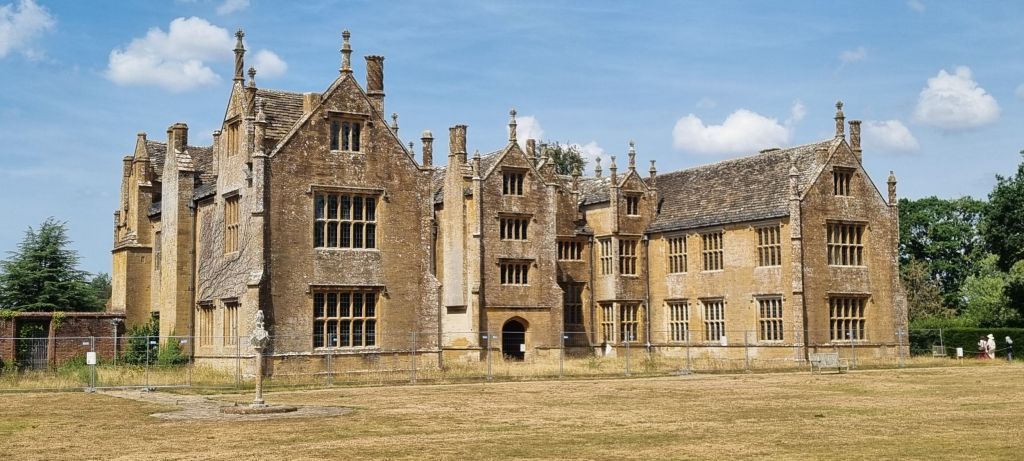
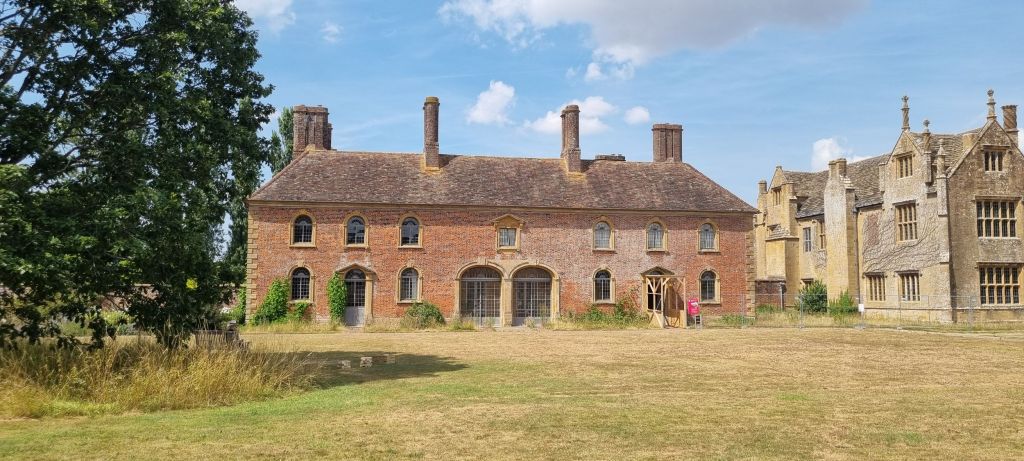
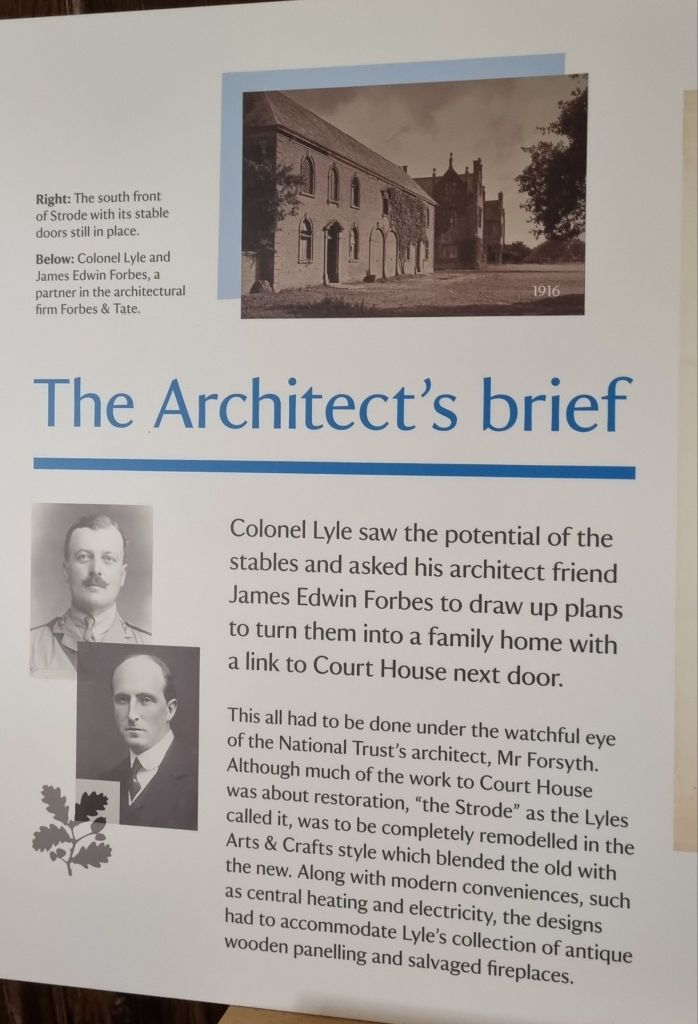
Himself and I marvel at the effectiveness of a Colonel’s salary at the turn of the century (independent means me thinks): every element of grand design was incorporated into the restoration work from domestic buildings, kitchen and formal gardens, garages, farm complexes to a series of estate cottages.
It’s pleasing to see that the locals were thought of too, with land set aside for cottages, allotments and a cricket pitch.
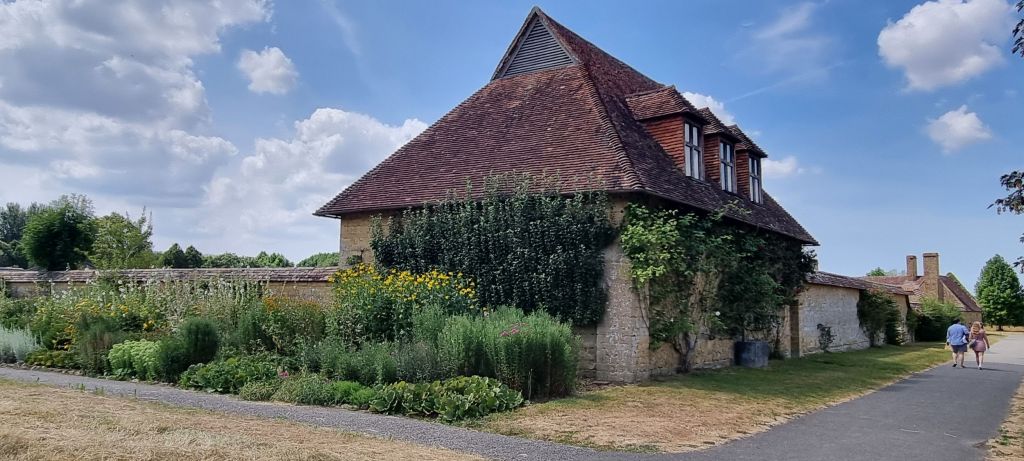
The Court house had long since been stripped of its best elements – restoration work gave the perfect opportunity to install the Colonel’s collection antique wooden paneling (seen here in the stables conversion).
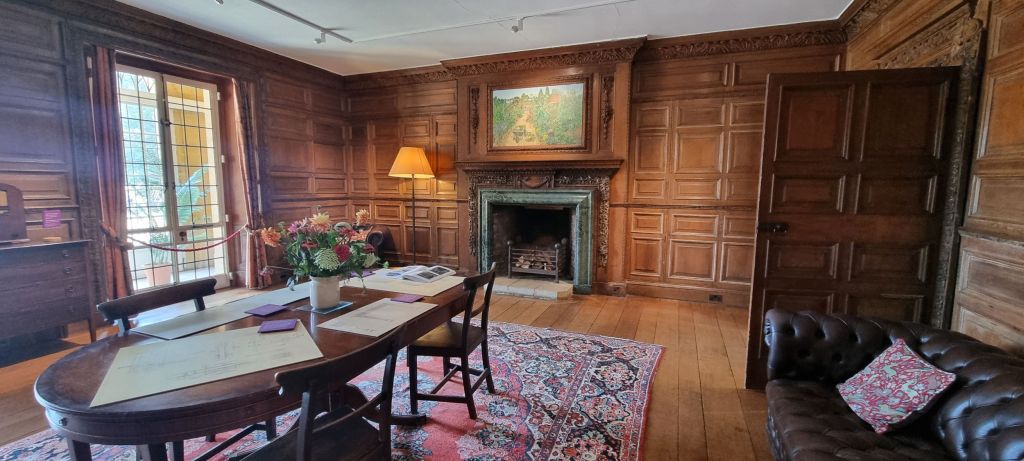
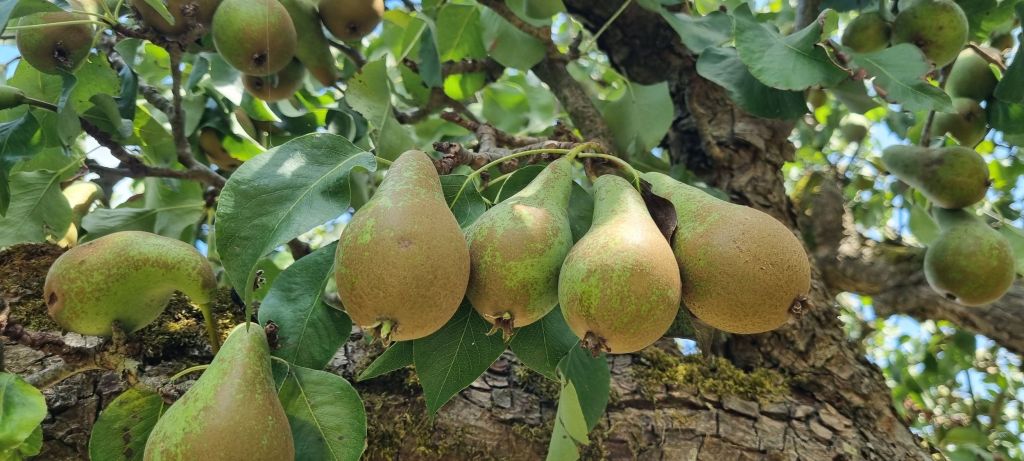
By all accounts the end result provided an idyllic country home – the Lyles kept a herd of prize cows and pigs, grew cereals and produced bumper crops of cider apples as the farm had done for hundreds of years before them.
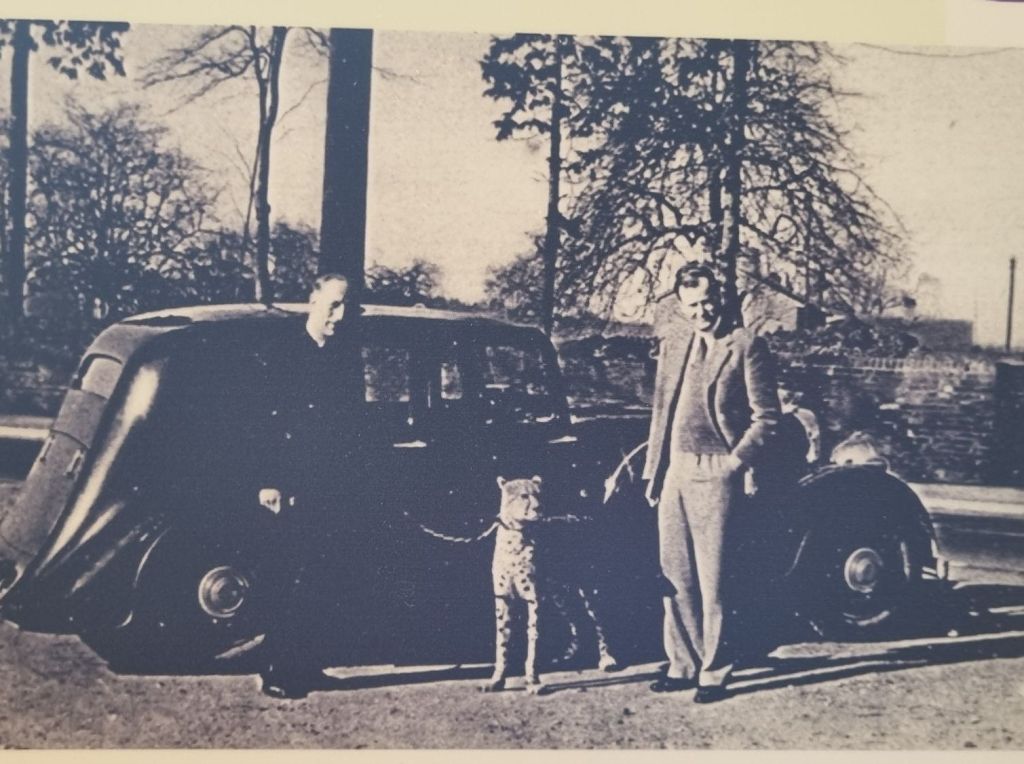
Entertaining was also had on a grand scale with an inaugural dance in 1925 seeing people coming from all over the county. The pets were awesome, a cheetah no less!
The old Court house is sadly not open today due to safety concerns from disrepair. We’re left to imagine how lovely it might have once been inside.
Evidence of England’s recent heatwave are everywhere as we walk the grounds. Older trees have fared well with their deeper root structures but youger plants are suffering. Beautiful ponds burst with fish and water lilies. My little goldfishies would be very jealous.
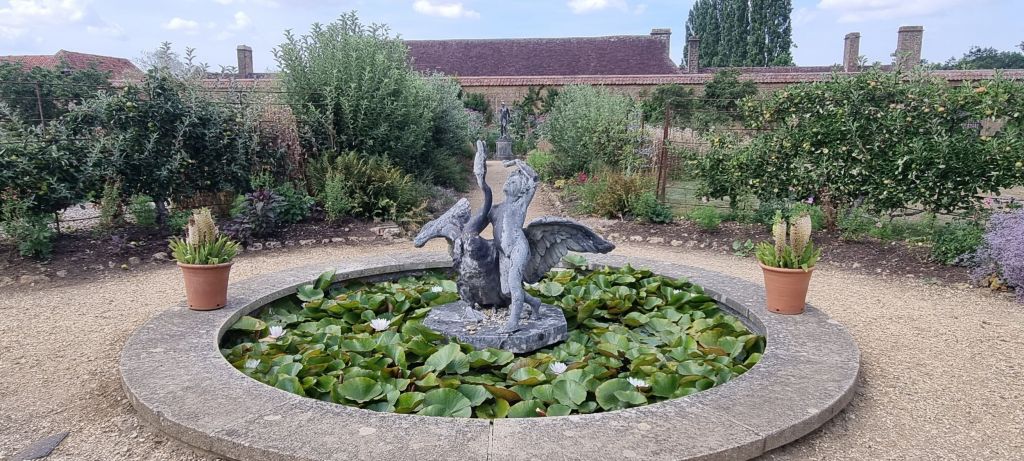
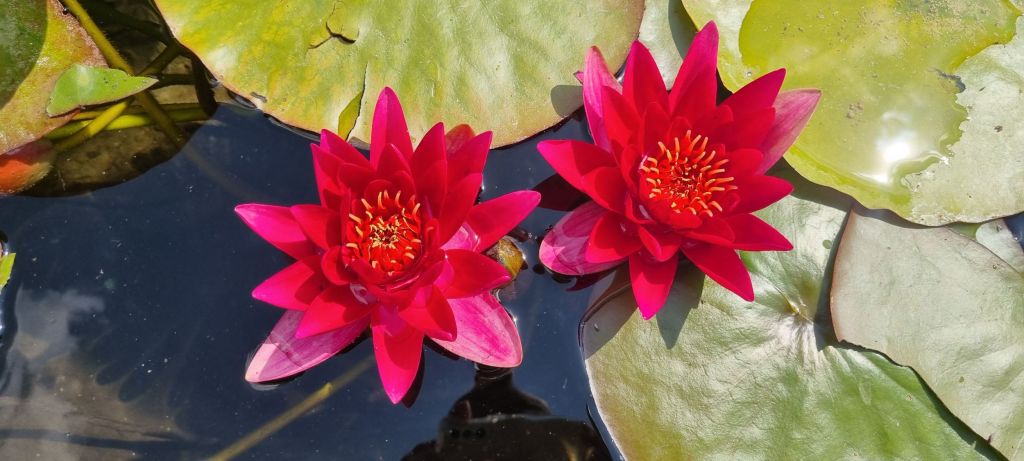
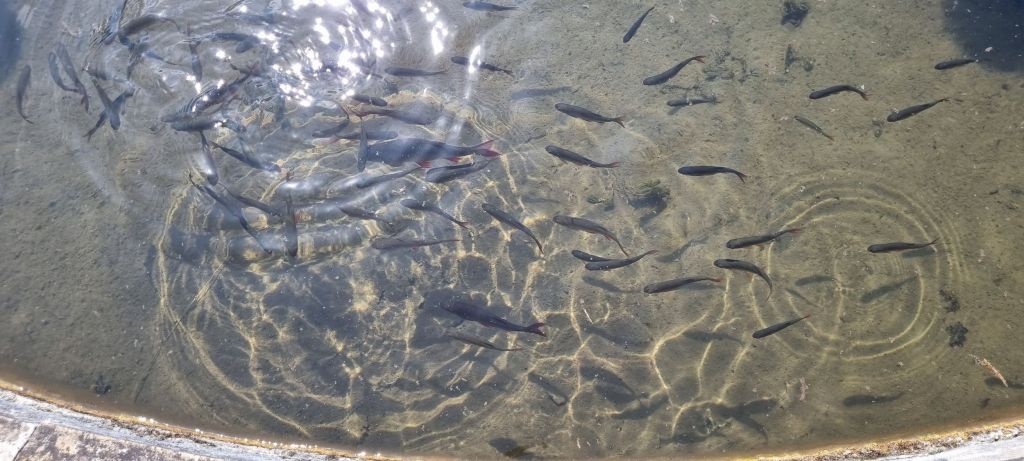
Bumbles are out in force with their pleasingly industrious hum. They reluctantly accept careful pats on fuzzy be-pollened backsides. (See what I did there🤣)


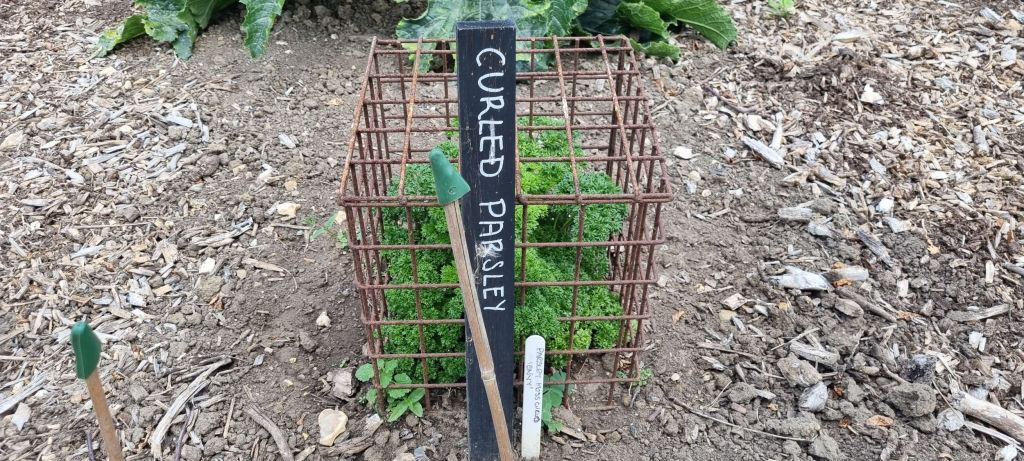
One can only presume the local bunnies are deeply persistent given the extreme guard around this patch of parsley in the kitchen garden.
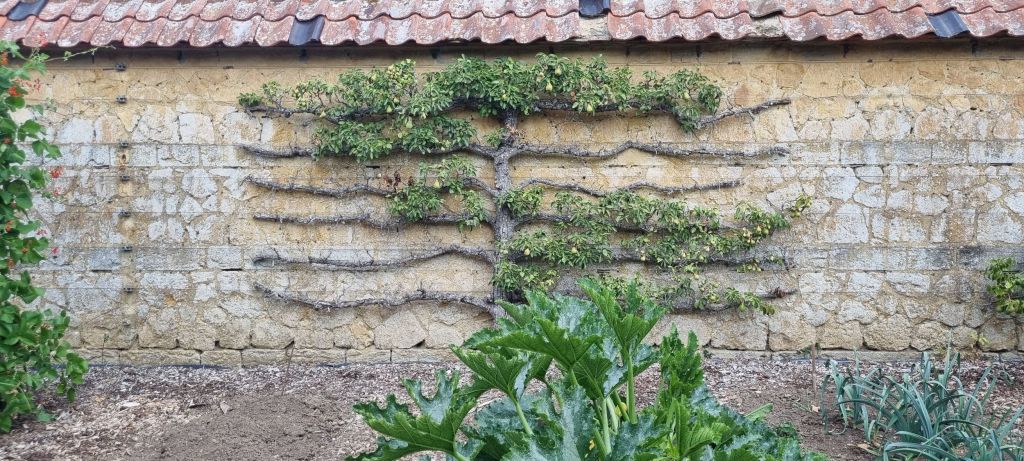
Extraordinary examples of espaliered trees are everywhere.
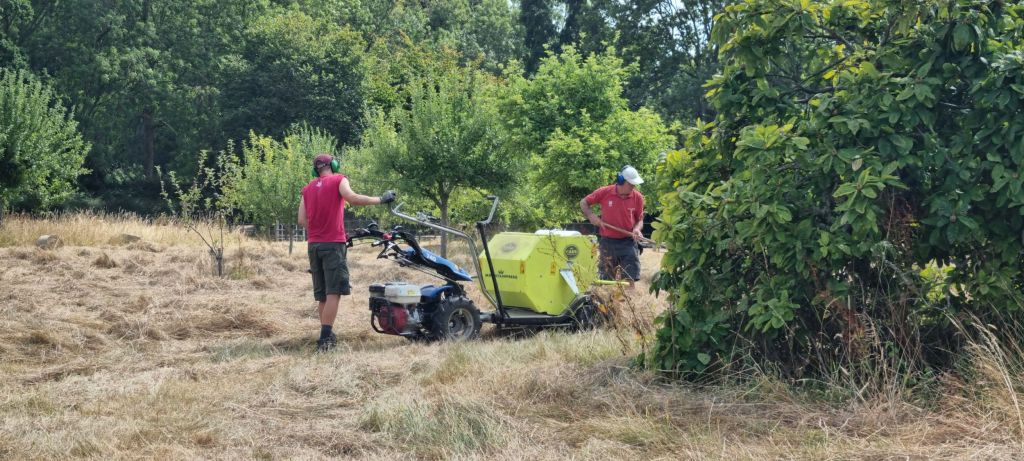
On the way out we’re treated to the sight of a small scale baler rolling recently cut grasses into the perfect little hay bales for animal feed. It’s pleasing to see that nothing’s left to waste.
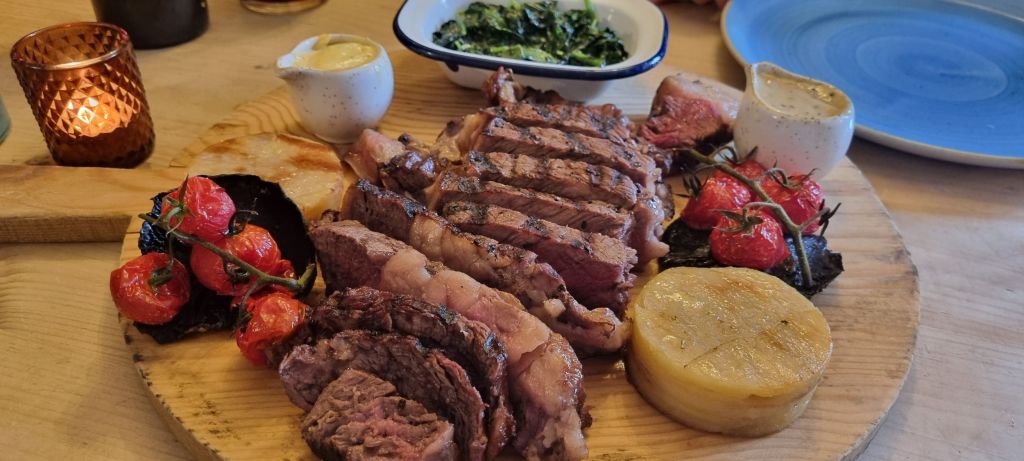
Day’s end sees us in a cosy country pub, the Dinnington Docks, where in a bit of serendipitous timing, it’s steak night. Just as well we’re starving. A magnificent cote de beouf cooked perfectly on the bone over charcoal proves to be one of the best steaks I’ve had.
Once a coaching stop in the early 1600, the pub comes with an interesting historsy. The Time Team crew, on one of their many excavation adventures determined that many of the pub’s foundation stones were robbed from a nearby Roman villa. Oops. Enterprising back then weren’t they? Mind you, the Romans loved a cheeky drop. They probably would have approved. 🍷

