
I didn’t realise it yesterday, but we’ve officially crossed into South East France, a milestone of sorts on this meandering journey of ours. Himself has determined that we’re ‘near’ Camargue, near being a relatively loose concept as it takes most of the day to drive there.
We’ve visited the Camargue before, in 2015. An accidental discovery that time, stumbling across the walled village of Aigues-Mortes. Surrounded by endless pink lakes of drying sea salt, we toured the salt works, saw many flamingos (flamingos!), spotted feisty black bulls and the white Camargue horses the region is famous for. Whilst other people cycled, or perhaps zipped around in a tweeny weeny car, Himself expertly manoeuvred our 5 tonne behemoth along narrow paths through Camargue’s wilderness, stopping each time I spotted a bug, flower or creature that caught my fancy.

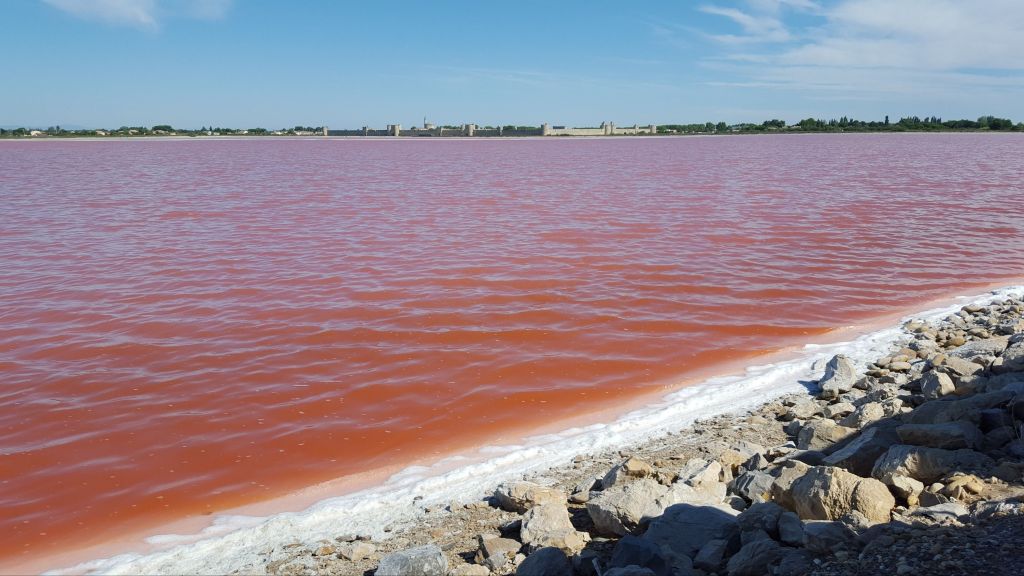
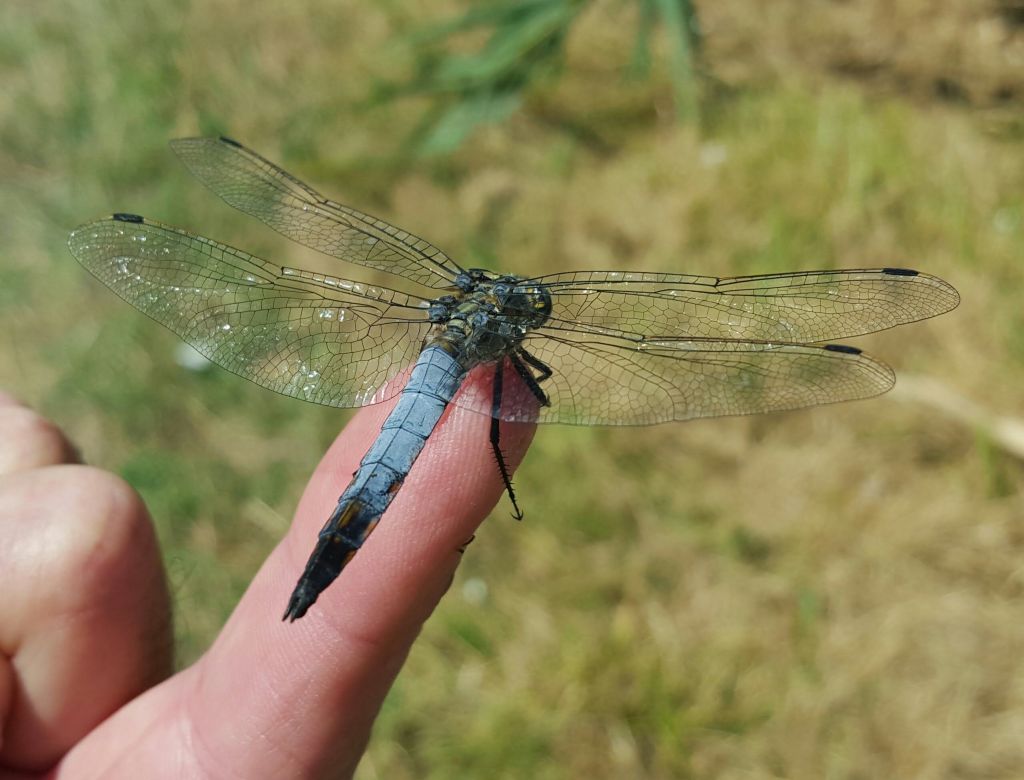
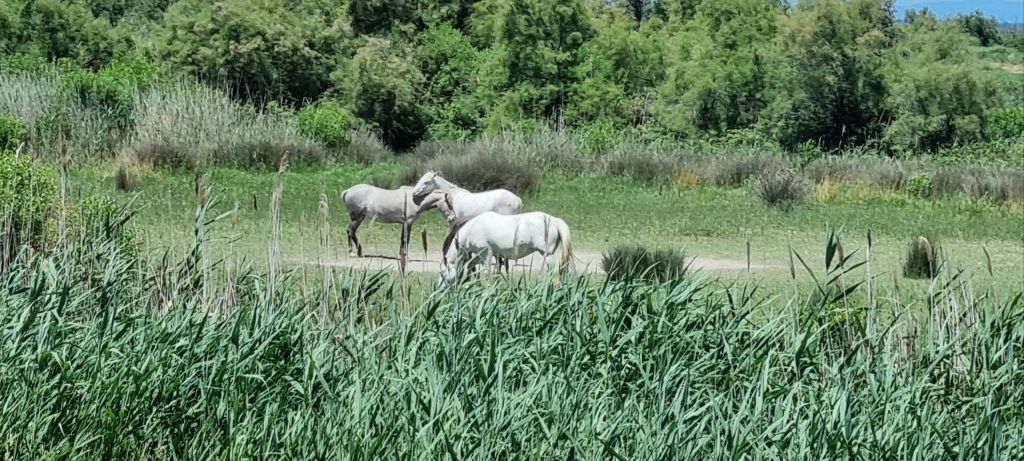
Clearly, it didn’t put him off as he’s willing to take another crack at it. And just as well, with over 900 square kilometres to explore, the Camargue is the home to the Rhone river delta, the largest delta on the European continent. One could explore for weeks and not cover it adequately.
With an ancient settlement history, Camargue is an interesting study in wilderness that’s been both protected and adapted for human use over centuries.
We start in the seaside village of Saintes Maries del a Mer (Saint Maria of the Sea) which has an extraordinary connection to Christianity’s earliest history. Quoting from information boards: “during the persecution of Christians in 45 AD, the Saints Salome and Jacobe were thrown out of Palestine, pushed out to sea in a boat without oars or sails, with their servant Sara, Mary Magdalene, her sister Martha, her brother Lazarus and other disciples. The boat was driven by currents to arrive on the coast of the Camargue.” By my reckoning, that’s the earliest account of Christianity’s arrival to Europe, bar possibly prisoners brought to Rome for gladiatory dispatch. My mind is a little blown at this early timeline – I don’t claim to know a great deal about Christian history but in our travels to many many churches, I’ve often wondered about the 500 or so year gap wedged between the crucifixion and the earliest churches and bibles.

Centre to the village is the church Sanctuaire Des Saintes Maries del a Mer – the final resting place of the above two Saints. One of the first pilgrimage sites in Provence, it’s also a frequently visited place of worship for the Gypsy community whose patron Saint is Sara, the servant in that 45 AD boat.

Whilst the first church on this site was built over an underground stream of the Rhone in the 5th century, this fortified version was built in the 11th and 12th centuries. It’s a really unusual church with display cabinets featuring art and other gifts of gratitude for answered prayers, some of which date back centuries. Particularly lovely are the 20th century gifts of sparkly things. Meanwhile, the original underground stream is still the source of holy water used in ceremonial matters today.

Elsewhere in the village, Spain’s influence is prominent – paella seems to be on every menu. It’s Spain the black Camargue bulls go to. The Camargue is an extensive rice growing area and being by the sea, a wide array of seafood features too.

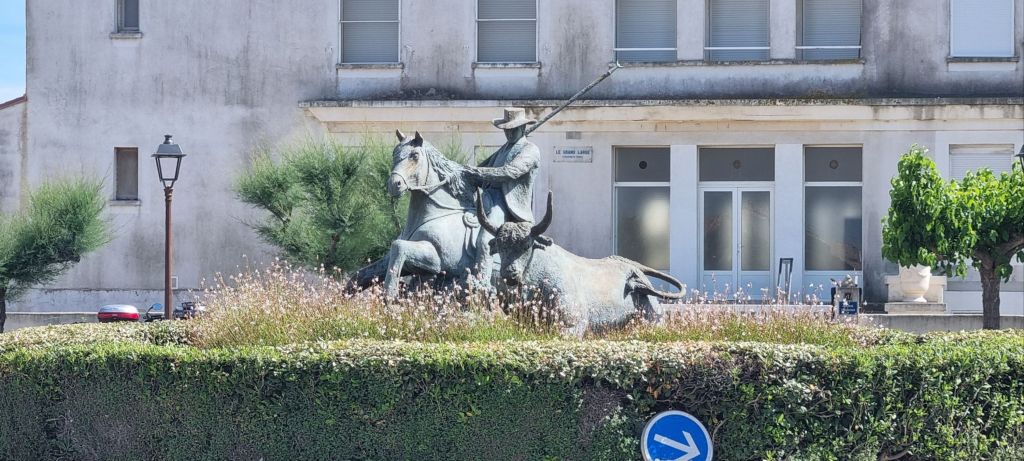
We’ve lucky enough to see show horses on their way to a performance. Horses are a key part of Camargue culture.
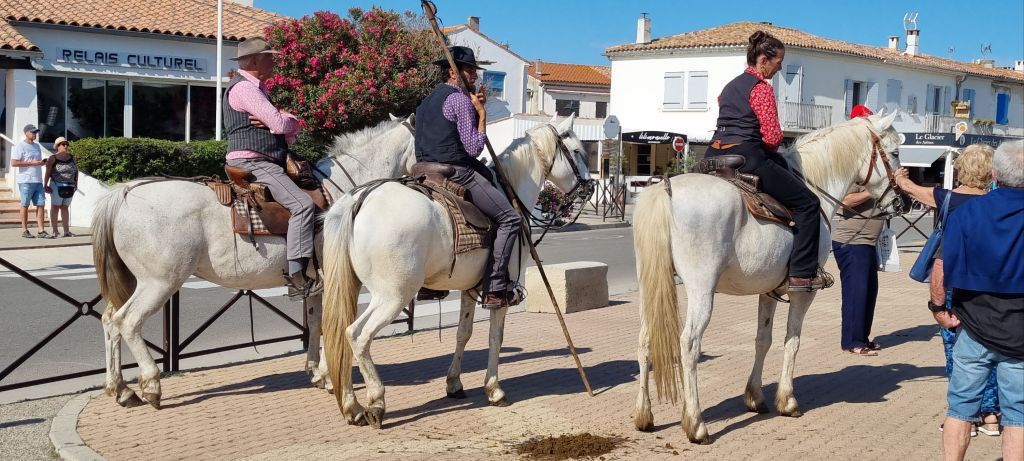
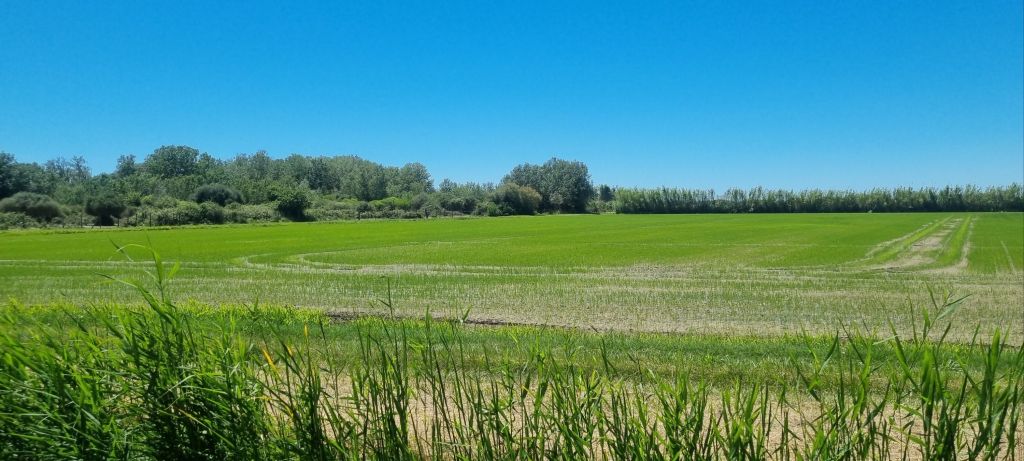
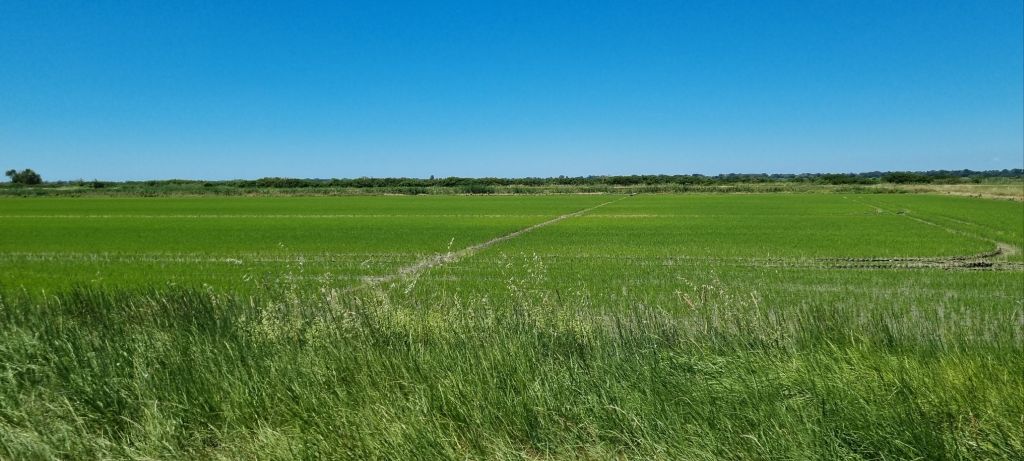
The following day, we set off through wilderness and endless rice fields under the bluest of skies. We learn that this area of the Camargue is divided by the road we’re on. The upper half is slightly higher and therefore more influenced by the waters of the Rhone. As such, it’s able to support trees and more complex forms of vegetation. The lower half is more influenced by sea tides, saltier and therefore restricted to simpler forms of vegetation.

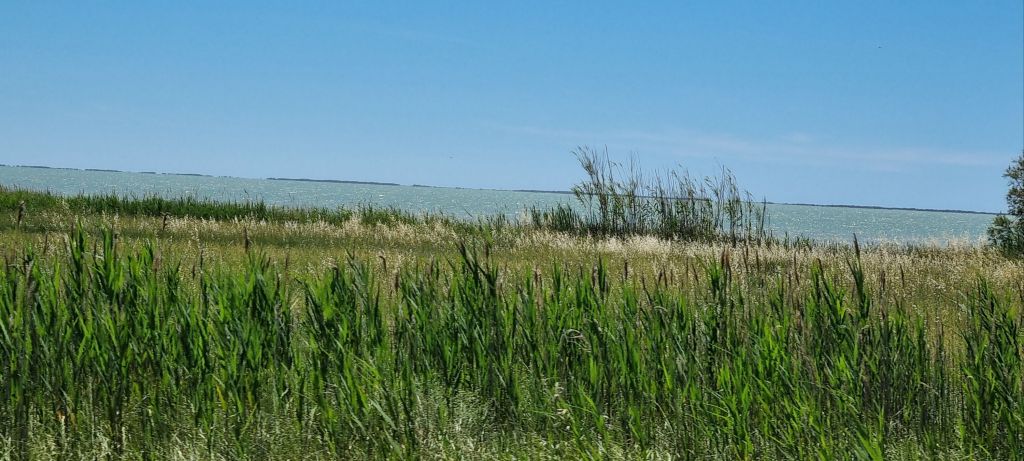

Bird life is pretty spectacular – we see white swans, flamingos and endless water birds, herons of all types, black ibis and very fancy multi coloured ducks. In a special moment through binoculars, a yellow wagtail sings his little heart out for us. With the sun on him he looked for all the world as if somebody had applied a layer of gilt to his breast. Gorgeous!


Our path takes us down the extraordinary Rue de Mer, a narrow road bound by sea on both sides.


We’re off to the beach Plage de Piemanson. But all thoughts of sea are forgotten once we arrive. Horses! Lots of them. Dotted all along the beach are floats and best of all there’s a group on horseback racing at full gallop in relay through the waters edge. Am deeply jealous – I’ve always wanted to take a horse through water, preferably swimming. My riding skills sadly stopped at a rising trot. I didn’t master a canter, never mind a gallop. Something to be revisited perhaps.
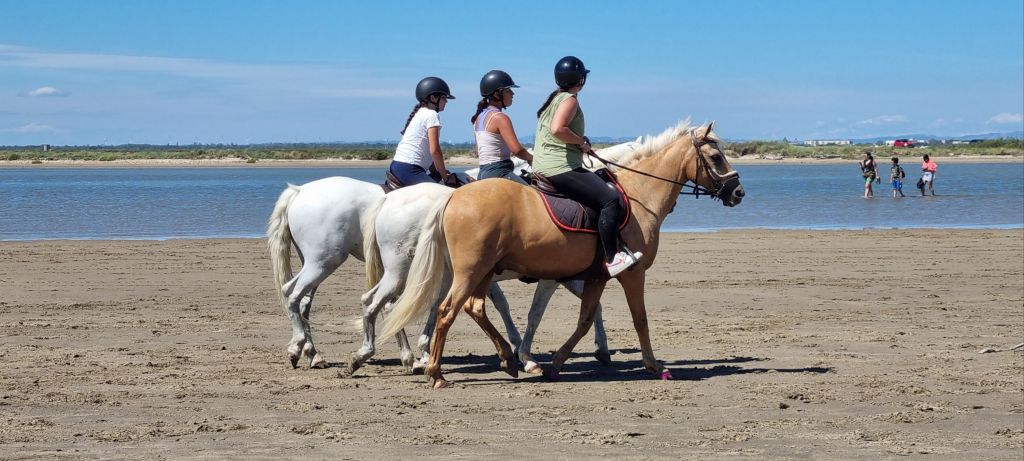
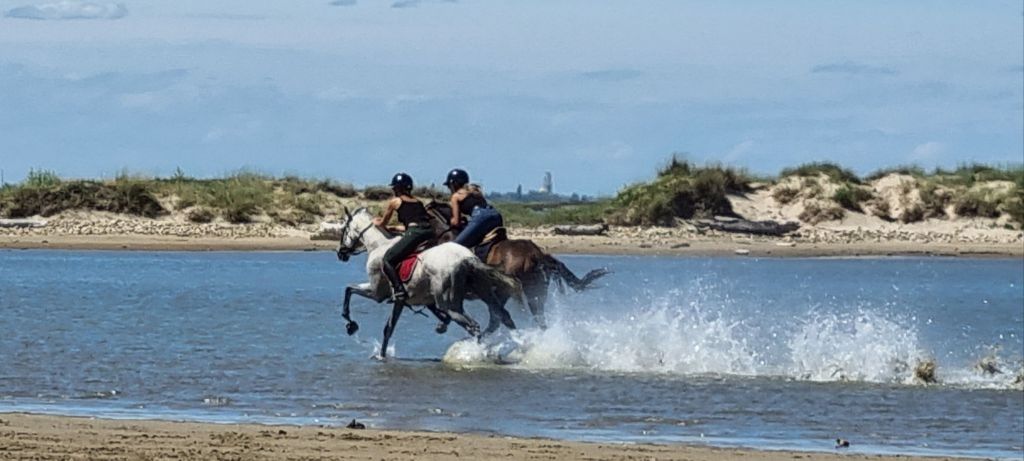
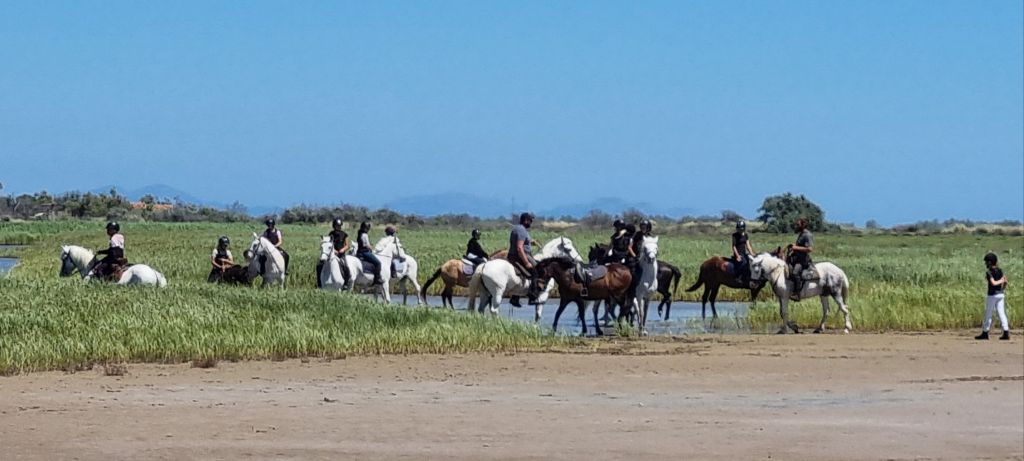
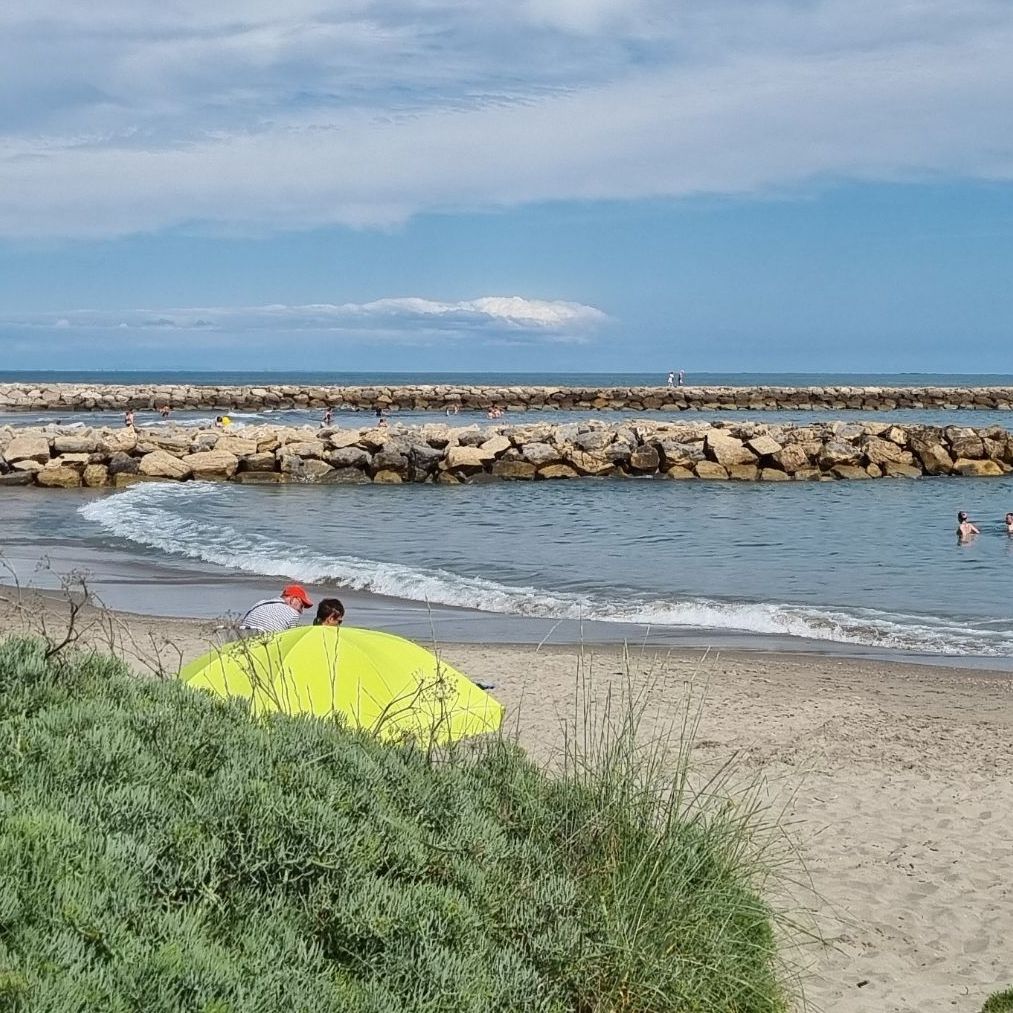
It’s an interesting beach, sand instead of the usual European pebble, but very fine and dark, sparkling in the sun. Himself eventually drags me away to walk the sea’s edge. The pull of horses is too strong though and we’re soon in amongst the horse floats. These horses aren’t pony club docile – much head tossing, neighing and foot stomping in response to calls from others lucky enough to be out and about.
We debate staying on the seafront for the night – officially not allowed (many have to be pulled out in high tide) but end up inland instead, inadvertently in the midst of a mosquito plague. Personally, I would have rather taken my changes with high tide.
We had planned to revisit the walled village of our 2015 trip the next day, but the mosquitoes have defeated us. Despite endless swatting, Himself is covered in bites. We bid farewell to the Camargue and instead drive further into Provence.
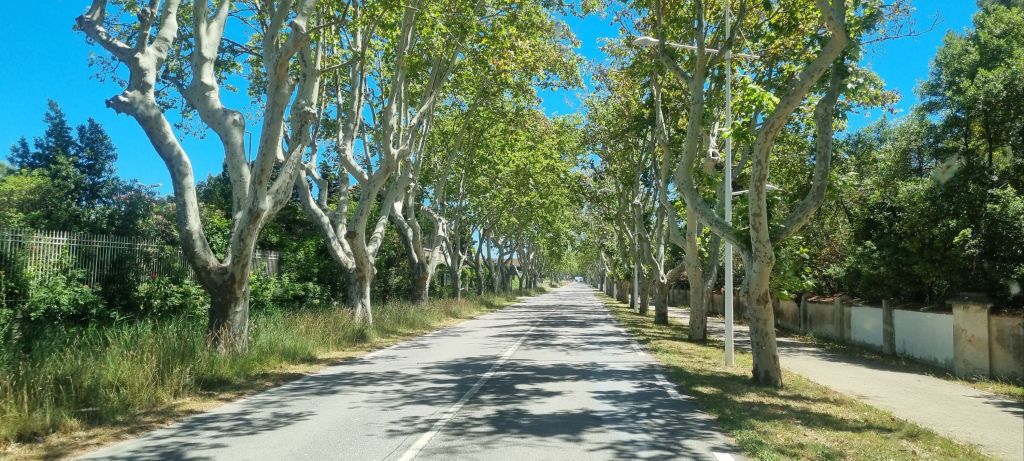
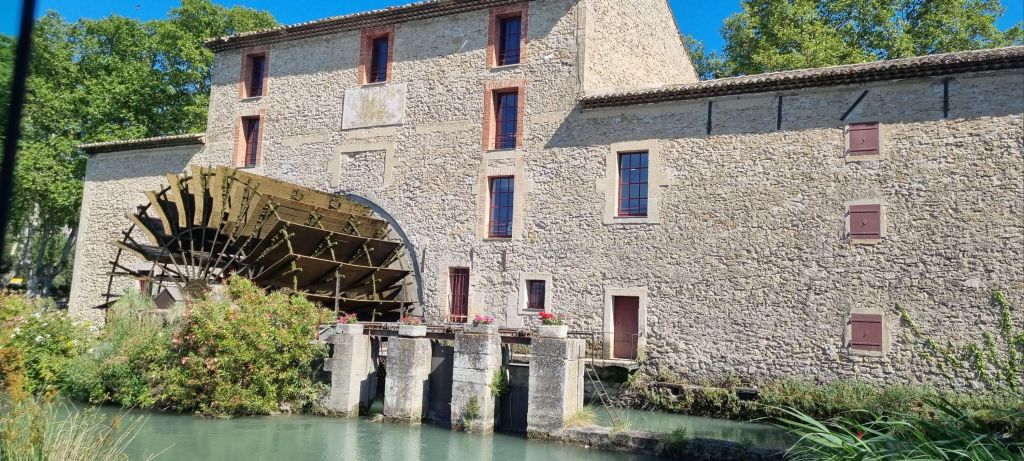

Most of the day is lost being house elves – shopping, laundry, washing the motorhome (between you and me, it’s quite fun wielding a high pressure hose on a hot day – don’t tell Himself). House elfing is followed by a lengthy drive to arrive at the Les Plus Beaux Village of Menerbes at day’s end. Just before we arrive, I catch my first glimpse of Provence’s famed lavender fields, freshly in flower.
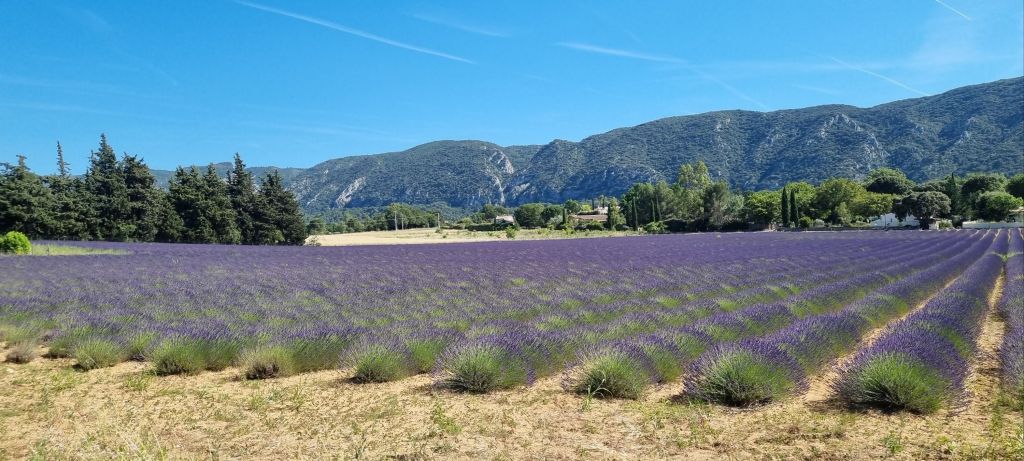
As tempting as it is to explore in the glorious light of late afternoon, we’ll save it for tomorrow.

The drive here was a challenge with TomTom taking Himself via an unusually complex and busy path along narrow roads through one town after the other.
 Miss Baci Travels