

A very important task to be attended to this morning before we set off – Cardaillac, as small as it is, has a market! Finally!! There’s barely a handful of stalls, but clearly local producers. Beautifuly fresh fruit and vegetables are on offer along with hand made goat’s cheeses. It’s just as well that I’m fluent in cheese. I walk away with two cabecou, an aged crottin and a crottin rolled in macerated shallots. Freshly squeezed apple juice, doughnut peaches, zucchini, radishes and lettuce freshly picked this morning come home too.


Our next stop is nearby Figeac – surrounded by an ancient city wall, the promise of a medieval city lies within. Figiac also appears to have a number of egyptologists of note as prominent alumni – the first person to translate the Rosetta Stone, Jean Francois Champollion, was born here in 1790. There’s a monument replicating the Stone commemorate to his achievement.
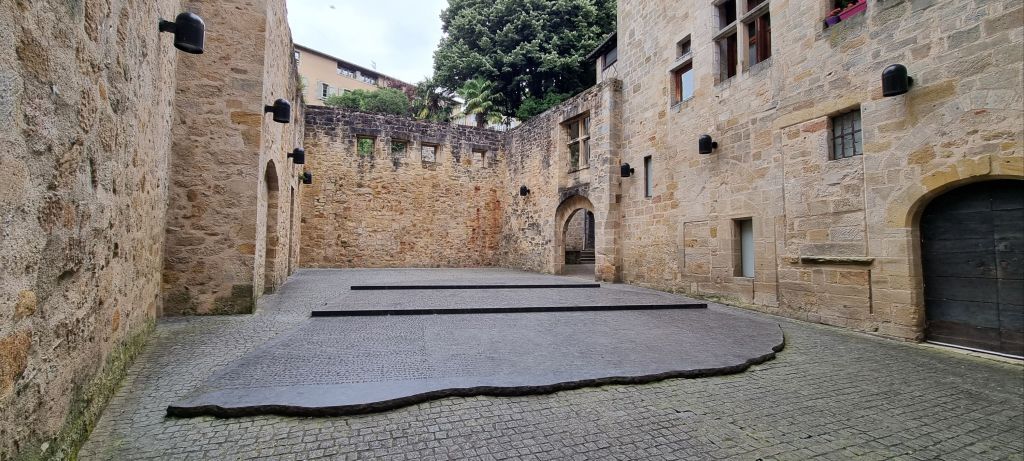
Figeac follows the traditional medieval circular design with communal squares set in key areas. It’s extraordinary to see that five storey buildings were being erected many centuries ago. We explore at length before settling for lunch. The church has extraordinary wood carvings.


Himself has been craving a hamburger for ages. I of course can’t go past my warm salade de chevre. There’s a momentary blip when Himself realises how rare the French like their burgers (also apparently very, very lean) but he puts on his big boy pants and declares it delicious.


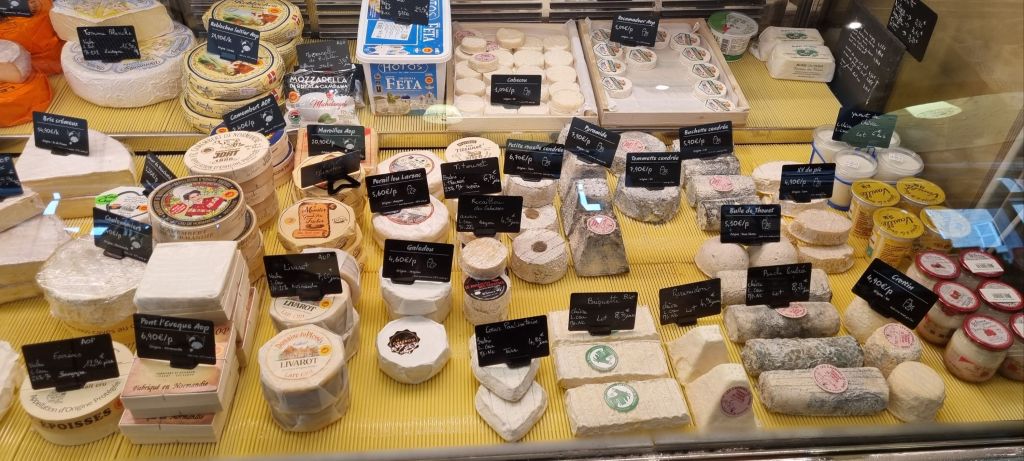
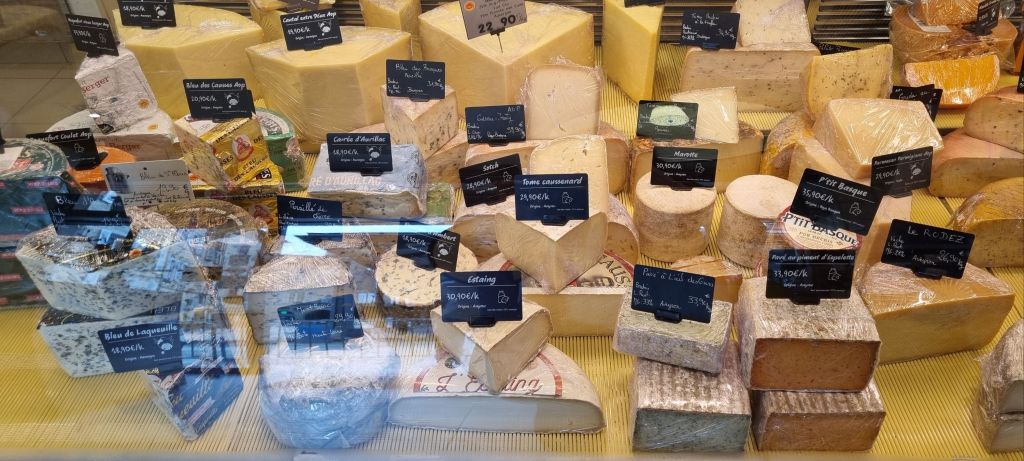
Is luck would have it, right across from the restaurant is a specialty fromager. Those who know me will know that I’m powerless to resist cheese. It of course has to be visited. We make it out with a Brie de Meaux, Roquefort, and interestingly, an excellent English cheddar, quite a rare find in France. With this morning’s haul and what was already in the fridge, we could open a small fromagerie of our own.
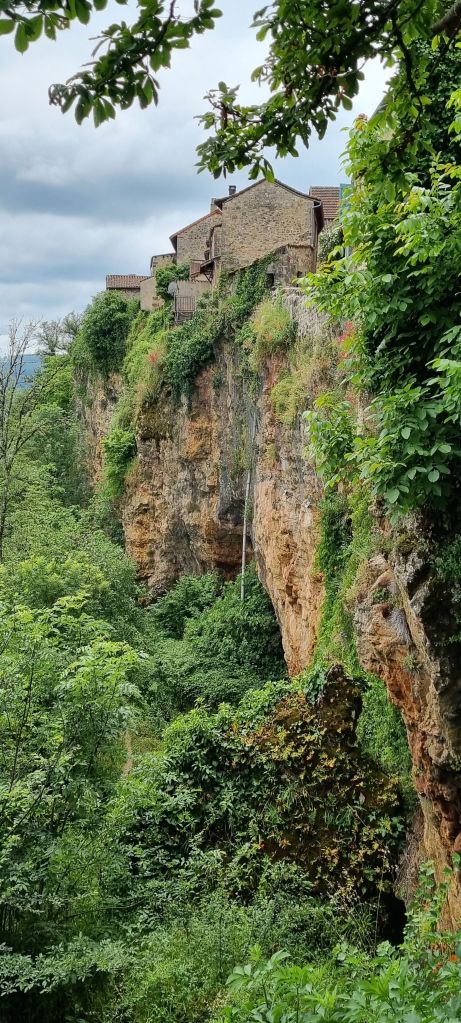
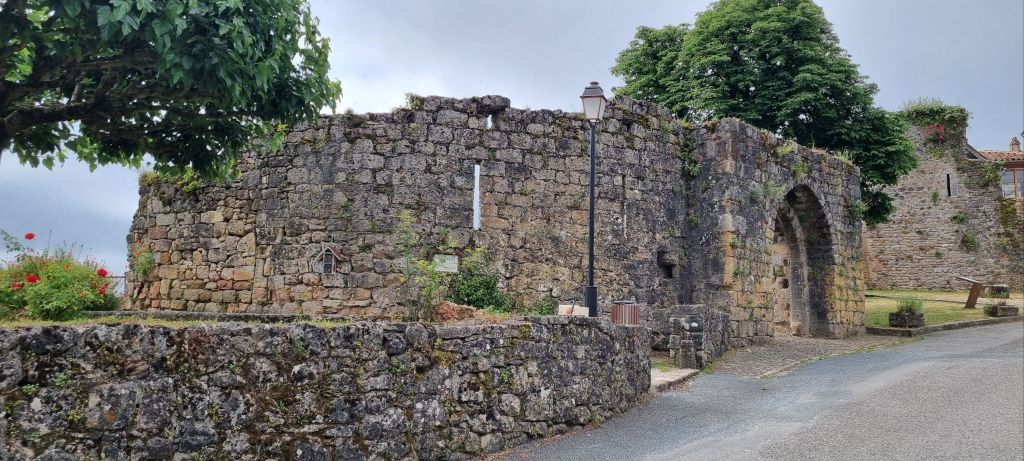
Figeac explored, we set out for Capdenac-le-Haut, another Le Plus Beaux Village, set high above the Lot river. It boasts an impressive Keep set into the hilltops adding natural fortification. Even more impressive is that it was the site of Julius Caesar’s last battle with the Gauls, becoming one of the most important Roman towns, then named Uxellodunum, in the Quercy region.


A steep decent below features a spring (below) supported by both Gaulish and Roman engineering skills. Given that the village is a vertical 110 metres above the river – getting water to it is an impressive feat.

The views on high are very magnificent and there’s yet another medieval garden to explore.
There must have been some serious treasure to protect in that Keep – it’s absolutely enormous. Today its inhabitants are jackdaws, busy with a full nest of babies. I’m guessing the male bird offered a deeply impressively fortified nest in the quest to win him mate. How could a girl resist?




Village thoroughly explored, we stop in a nearby grassy spot surrounded by cherry and walnut trees. And a friendly, smoochy kitty! I put my cheese and market treats to good use in a platter of nibbles. That’s the nice thing about going out for lunch – dinner is a very laid back affair.


