
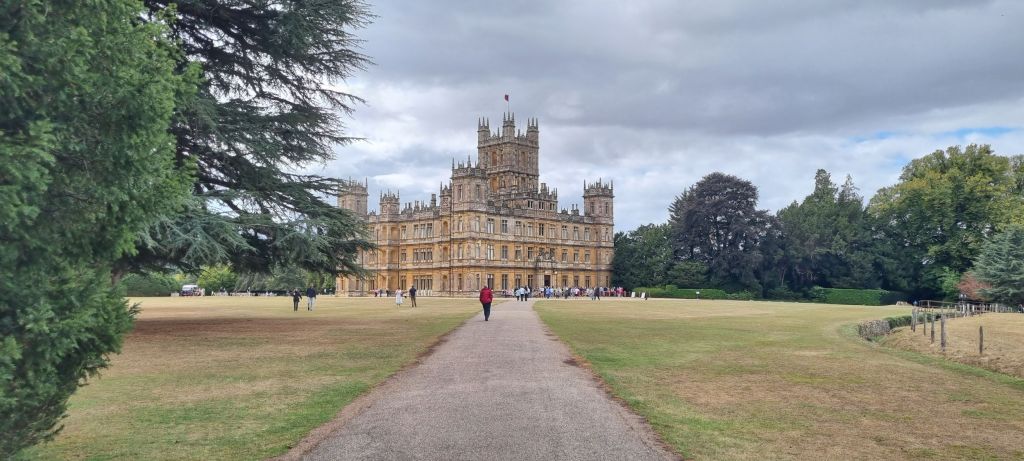
Very, very excited! We’re off to see Highclere Castle! Affectionately reimagined as Downton Abbey to those of us who’ve faithfully followed the comings and goings of the the Crawley family as they and their staunchly faithful family retainers navigate their way through the changes of the early 21st century.
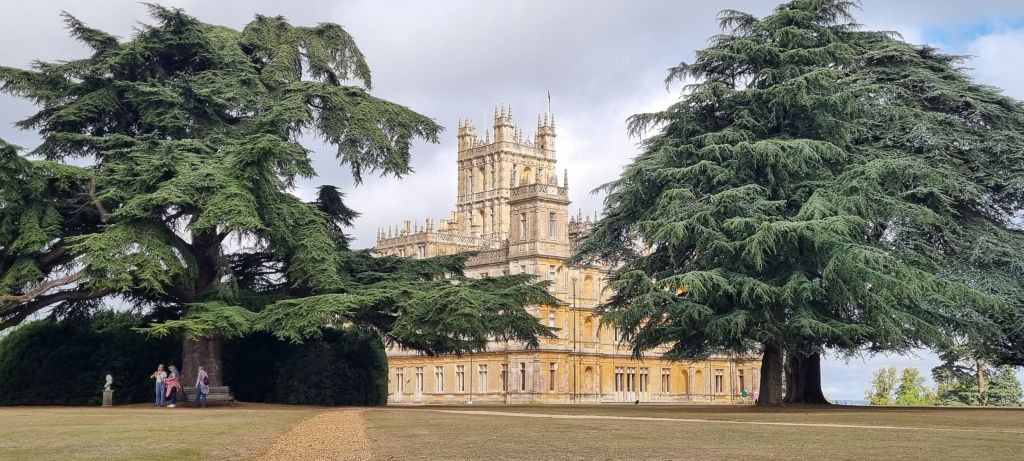
Like many destinations this trip, it’s a site we’ve unsuccessfully attempted before. The private residence of the 8th Earl of Carnarvon, Highclere is open to the public a scant 72 days each year. In the past we’ve been thwarted with it not being on our path, being closed and on one occasion, open only for a glittering, 1930’s themed cocktail premiere of the 3rd Downtown movie. On my actual birthday! Luckily for Himself, it was the day after we left. A trip to London, a fabulous cocktail frock and accessories would have most definitely been called for…such things are not readily to hand in my travel wardrobe.
Even so, this year we’ve been lucky. Tickets appear sold out on line but I call to inqure about our chances for ‘on the spot’ luck. And not for the first time in this journey, the Gods are in our favour…we’re in! *Much excitement*.
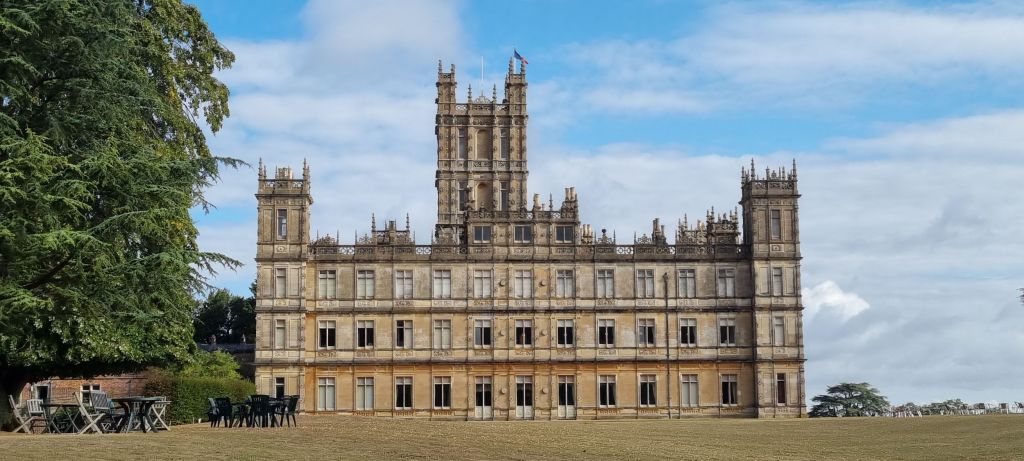
It’s clearly a very popular destination. Despite the early hour, there’s quite a queue. Highclere is instantly recognisable. One’s imagination easily pictures Carson and Mrs Hughes starting the day, footmen to attention while Mrs Padmore busies herself in the kitchen, shouting out orders to an ever obedient and endlessly patient Daisy. All that’s missing to paint the picture complete is His Lordship walking Isis up the path.
Highclere, as with many places we’ve visited over the years has an interwoven history. In this instance, it’s with Winchester. The first written records of Highclere date back to 749 AD when the King of Wessex granted the estate to the Bishops of Winchester who held it for the next eight centuries. By 1,000 AD, a church, domestic buildings and animal enclosures were established and a Bishop’s Palace followed in the early 14th century.
It wasn’t until after the Black Death that the then Bishop, William of Wickham, rebuilt the ‘Manor of Highclere’ in a grander style, developing halls, chapels, orchards and gardens in the process. Those who follow our travels will not be surprised that Henry VIII came along in the mid 16th century and seized it all, passing Highclere into secular hands across a series of families in quick succession.
In 1677 the estate was purchased by Sir Robert Sawyer – his daughter’s marriage saw the estate pass to the ancestors of the current Earls of Carnarvon.
Even at this point though, Highclere Place House, as it was known by then, was not the house we see today – it was an Elizabethan brick mansion with a courtyard. The 1700s saw the appointment of the then ‘it’ architect Capability Brown to carry out significant improvements to the surrounding parklands, including planting the magnificent Lebanon cedars thriving today.
In the 18th century major rebuilding works remodelled Highclere as a classic Georgian mansion.
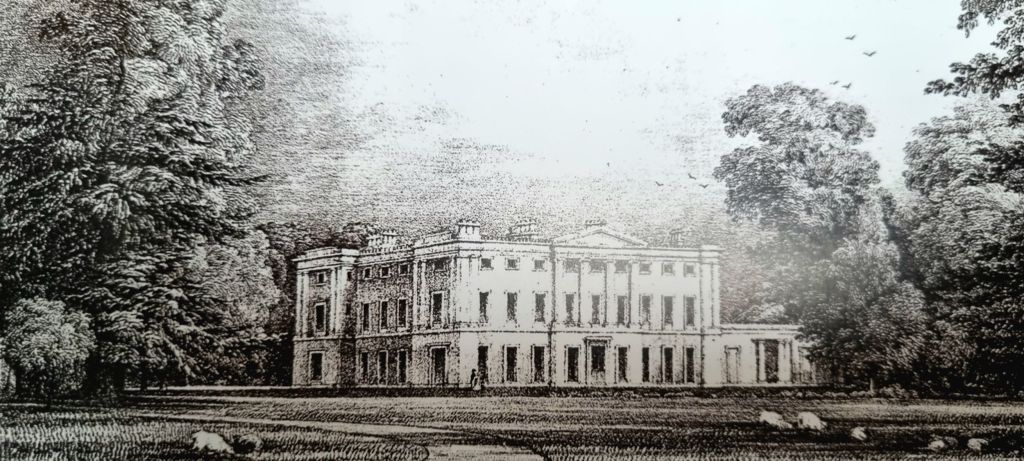
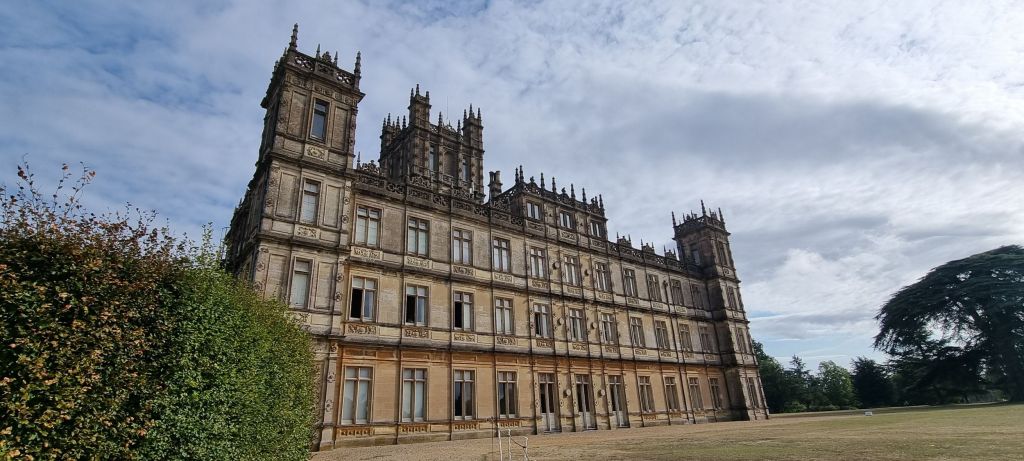
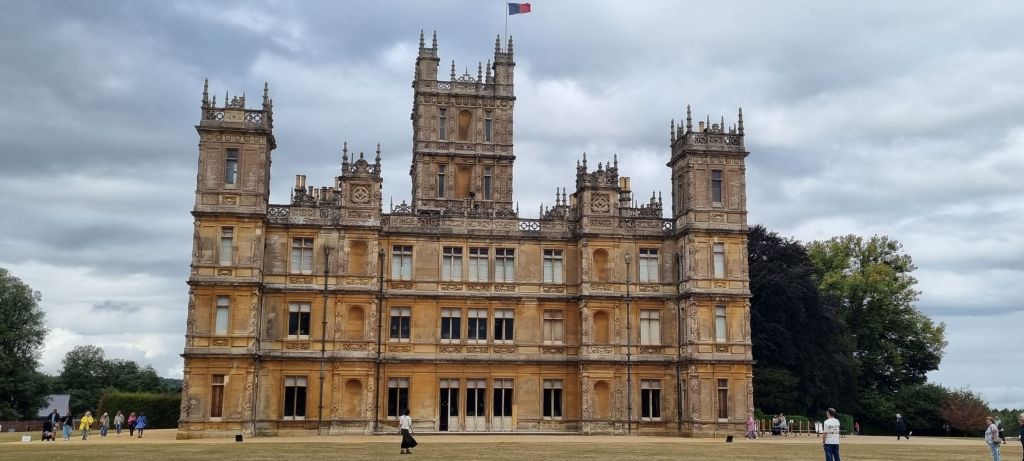
It wasn’t until the 19th century, in the reign of Queen Victoria, that Highclere was transformed into its current form: a grandly romantic Gothic castle. If you look closely at Highclere’s towers, you might recognise the the architects’ style – Sir Charles Barry and Thomas Allom also designed the towers of the Houses of Parliament. Their work was designed to last centuries – more than 180 years on, Highclere is glorious.
Entry to the Castle is timed and busy! We take the opportunity to see the Egyptian exhibition first. It’s fair to say that Highclere’s real history is no less action packed than the imaginary Crawley’s. It’ll come as no surprise to most that the 5th Earl of Carnarvon discovered Tutankhamun’s tomb in 1922. The Earl had first become fascinated with Egypt in 1898 and applied for archaeological digging permits in 1906, eventually adding Egyptologist Howard Carter to his team to manage the endeavour. The next 16 years proved an expensive exercise. Whilst series of antiquities were discovered, the ultimate prize, an undisturbed tomb, remained out of reach. It wasn’t until 1914 when a permit to dig in the Valley of the Kings was granted that success was had. Even then, it almost didn’t happen. The Valley of the Kings dig proved financially challenging, yielding little result. In 1921, the Earl decided to end the search but was persuaded to attempt one more season. And how different history would be had they not.
Digging alone, Carter unearthed the opening to Tutankhamun’s antechamber, sending the now famous telegraph to his partner “at last have made wonderful discovery in the Valley. A magnificent tomb with seals intact. Re-covered same for your arrival. Congratulations. Carter.“
In what I’m calling the best example of personal discipline I’ve ever heard of, Carter explored no further, instead waiting for the Earl to join him from Highclere. Can you begin to imagine the self control that took? Meanwhile, the world press and tourists beat at path to their door. It was, without doubt, the biggest news story of its time.
On Carnarvon’s arrival, the gap to the entrance was widened to reveal three more rooms piled with treasure. In an extraordinary twist of sad fate, Lord Carnarvon did not live to see the extent of his discovery, dying from septicemia from an infected mosquito bite before the golden shrine and Tutankhamun’s coffin were uncovered. His death led to the legend of the ‘Curse of Tutankhamun’, fuelled largely by the press who linked and reported subsequent dig team deaths.
On the Earl’s passing it’s said that the lights in Cario went out, as did Highclere’s and his favourite dog Susie suddenly died. I hope she made it to her master’s side.
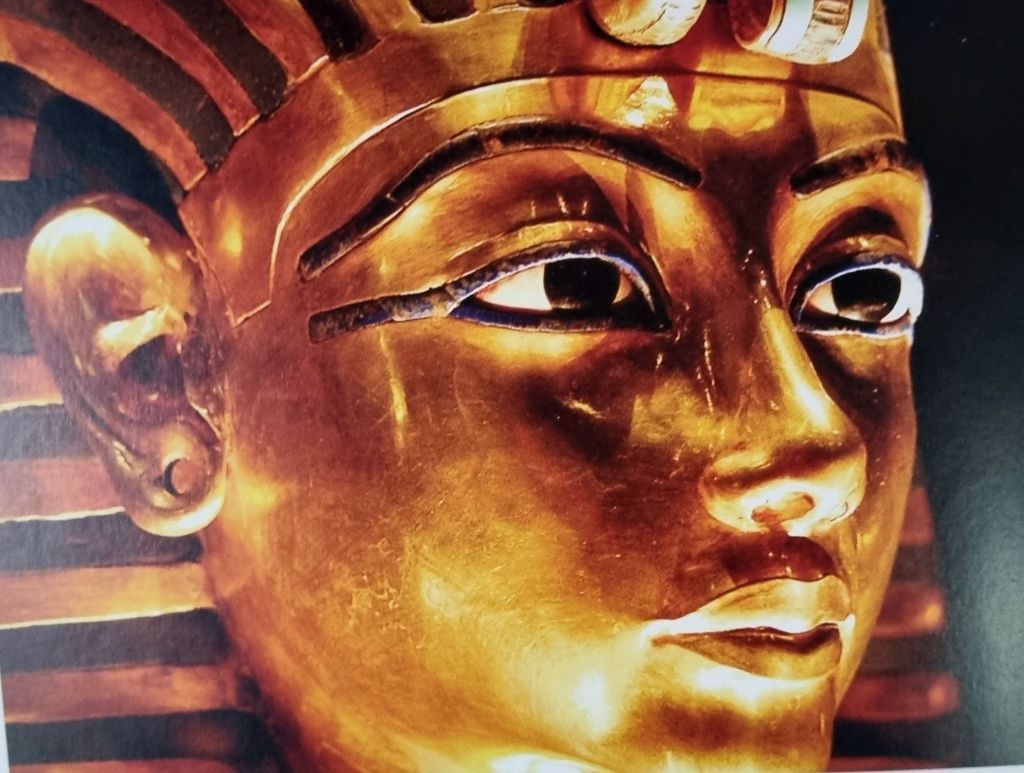
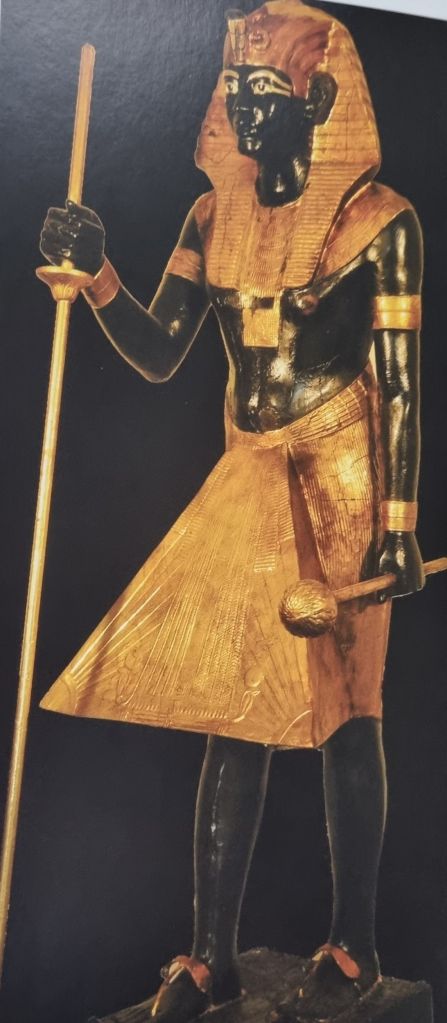
The Egyptian display is in what was once the ‘downstairs’ domain and it’s excellent, a mix of history, real antiquities and faithfully rendered replicas. Sadly much of the collection was sold to New York’s MET in 1924 to help pay England’s punitive death duties. Whoever brokered that deal in New York got the bargain of the century. Tutankhamun’s tomb is recognised as one of the most important Egyptian archeological finds. It continues to hold worldwide fascination and acclaim.
Unfortunately, photography is not allowed inside the Castle or display so I’ve had to borrow from the very detailed guide book.
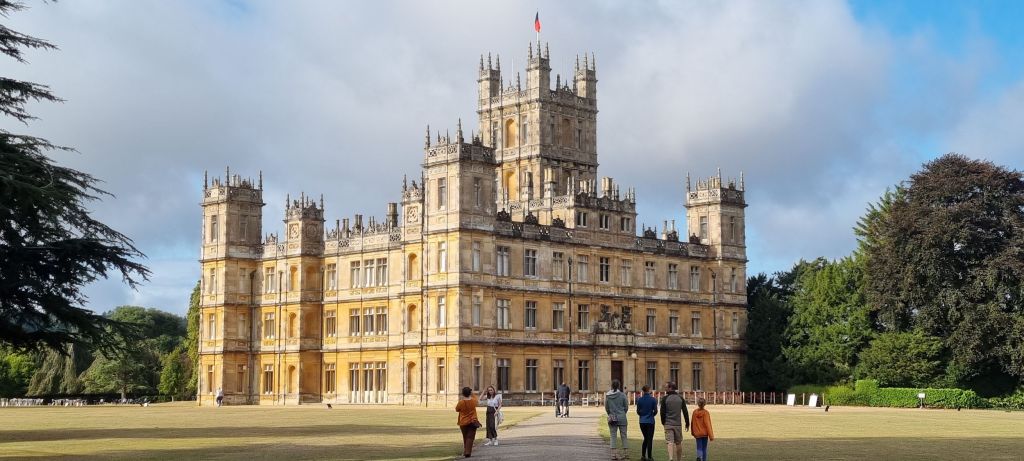
We’re soon in line to view the Castle. I’m still half expecting to see a footman in full livery. Up close, Highclere is truly majestic. Aside from its gentle honeyed stone and intricate detailing, it’s the towers that captivate, an inspired design feature that set both romantic and majestic tones. A fine set of wolves heads are read to bite at the front door.
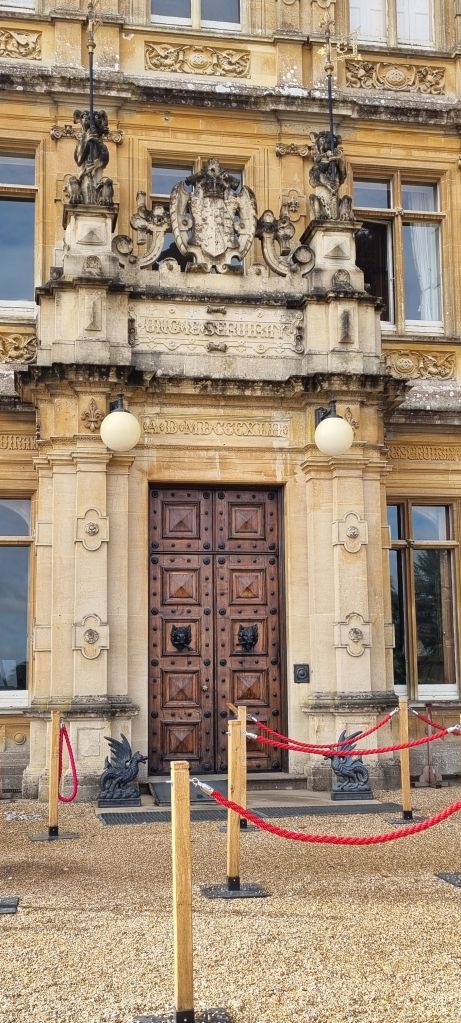
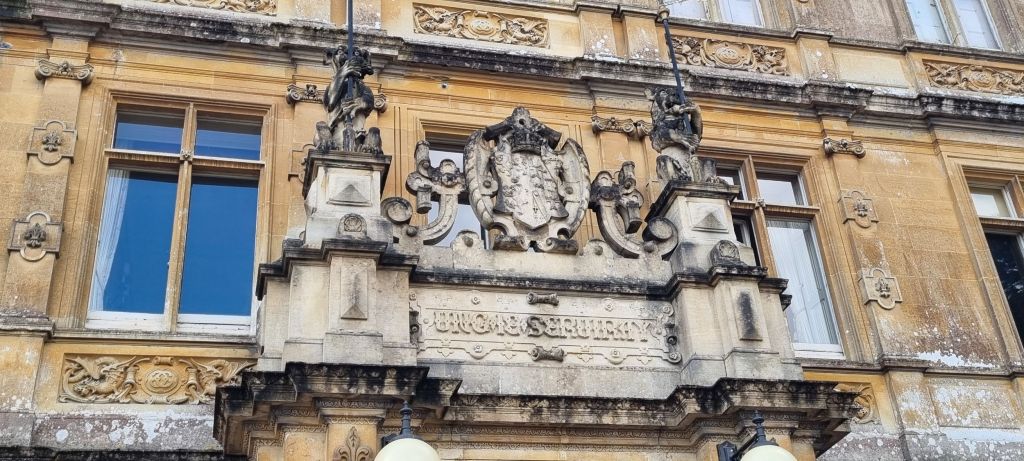
Helpful guides are on hand to point out each room’s features and there are printed guides as well.
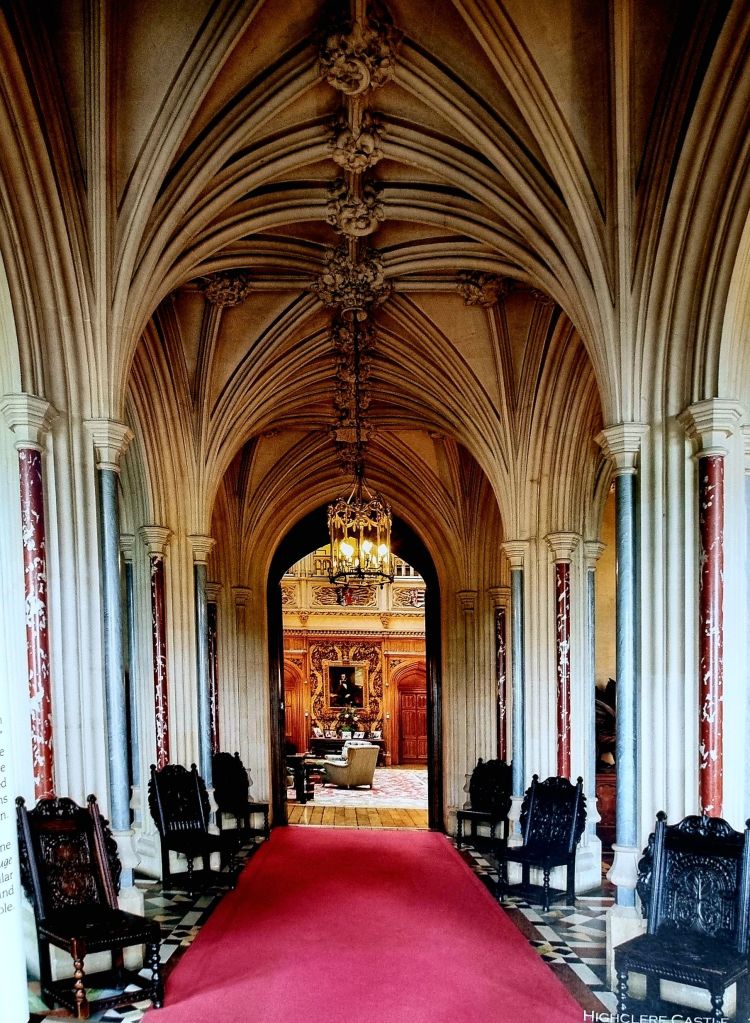
Our tour starts in the Gothic vaulted entrance hall featuring red marble columns and a Victorian tessellated tile floor. It’s designed to impress, as are all the formal rooms.
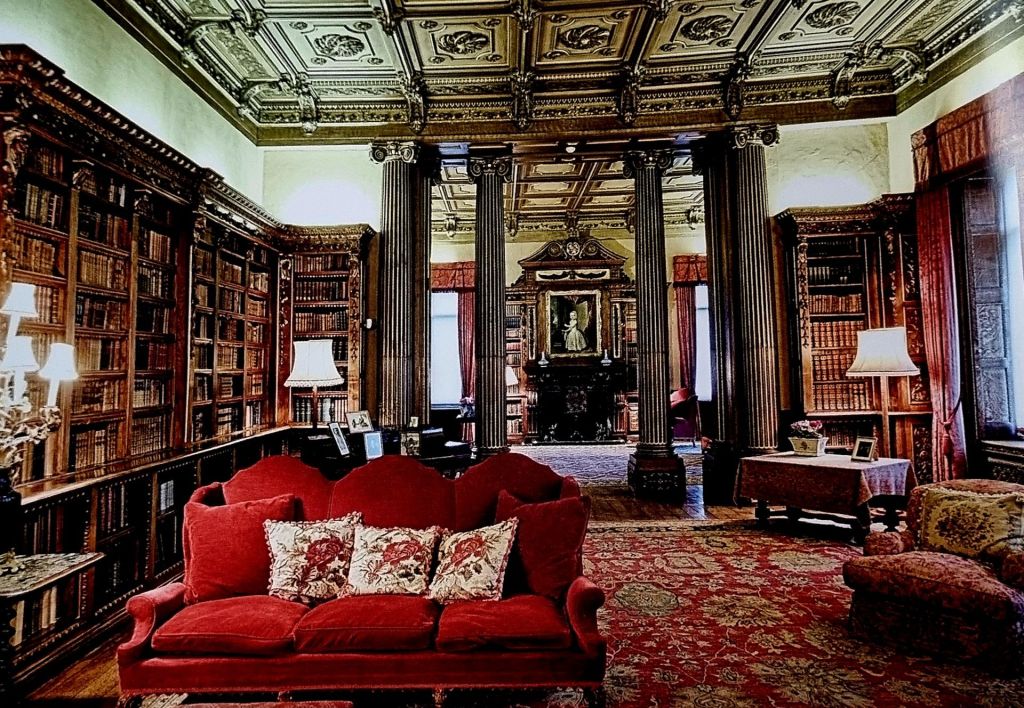
We move on to the library, home to many Downtown scenes. I don’t know what it is about seeing your favourite movie and TV location in real life, but it never ceases to delight. The library was one of the last rooms to be completed in the Castle – it was used as the stonemason’s work room in the last build. Today it presents in the elegant manner of a gentleman’s club, at least in the days when that term conveyed far more genteel pursuits than it might today. It’s hosted many a royal visit and indeed the Carnarvon ties to the royal family remain firmly in place. The library housed some 5,600 books, the oldest of which dates back to 1538.
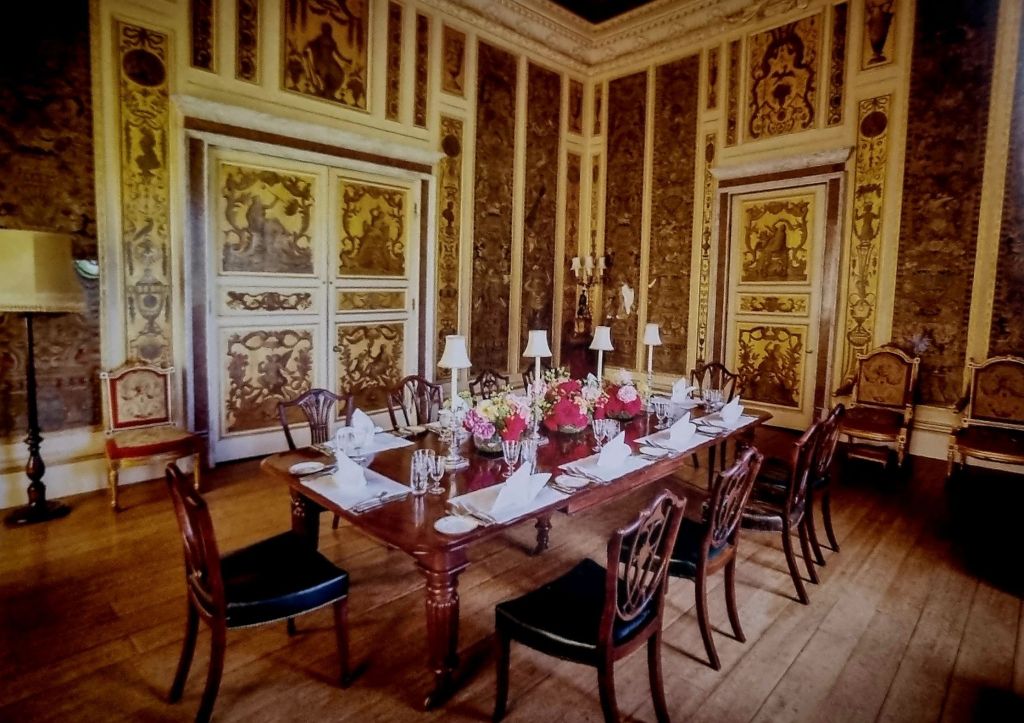
Next we see the music room, now set up as a small dining room. It features a desk and chair once Napoleon’s, a beautifully painted Baroque ceiling and golden silk wall embroideries.
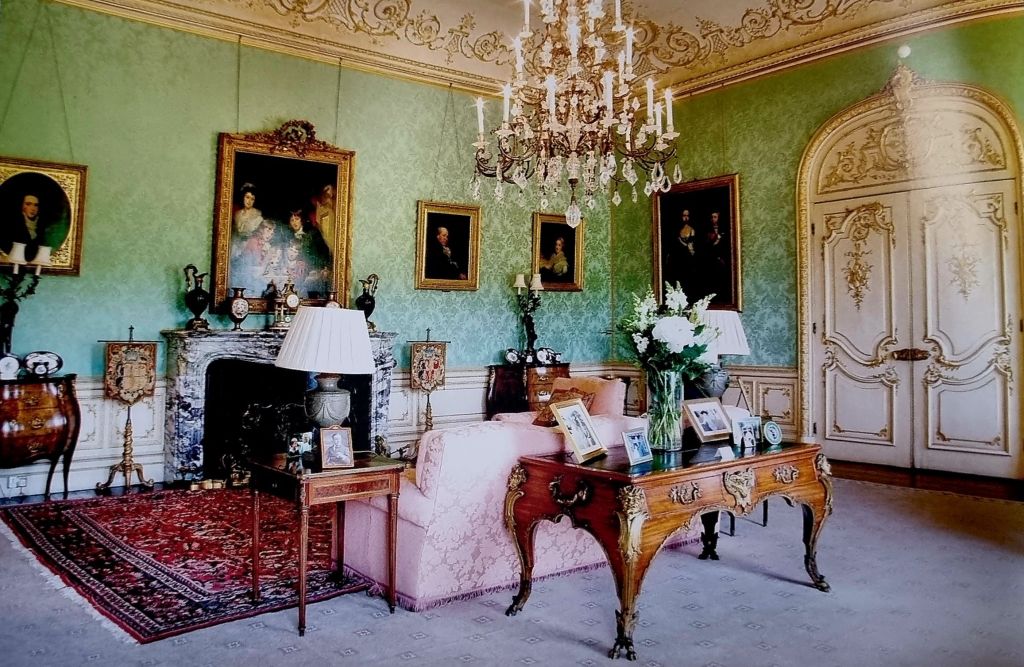
The drawing room in contrast to the earlier rooms, is decidedly feminine with delicate green silk wall coverings with a pattern said to be modelled on one from Versailles. This room was decorated by the 5th Countess of Carnarvon whose father was Alfred de Rothschild. She was also responsible for turning Highclere into a hospital during WWI, complete with an operating theatre. I love the soft green silk wall finishes – it’s a very pretty, welcoming room.
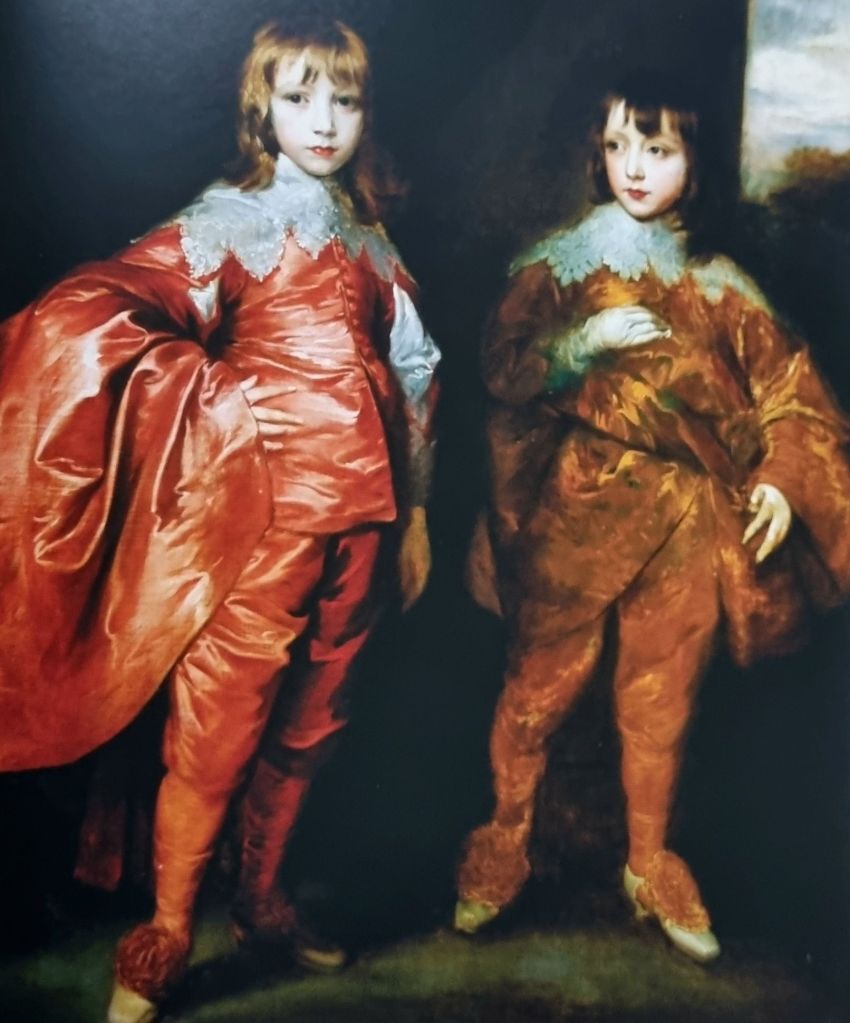
Highclere has an extensive art collection with many family portraits through the centuries, collections from Grand Tours and of royalty.
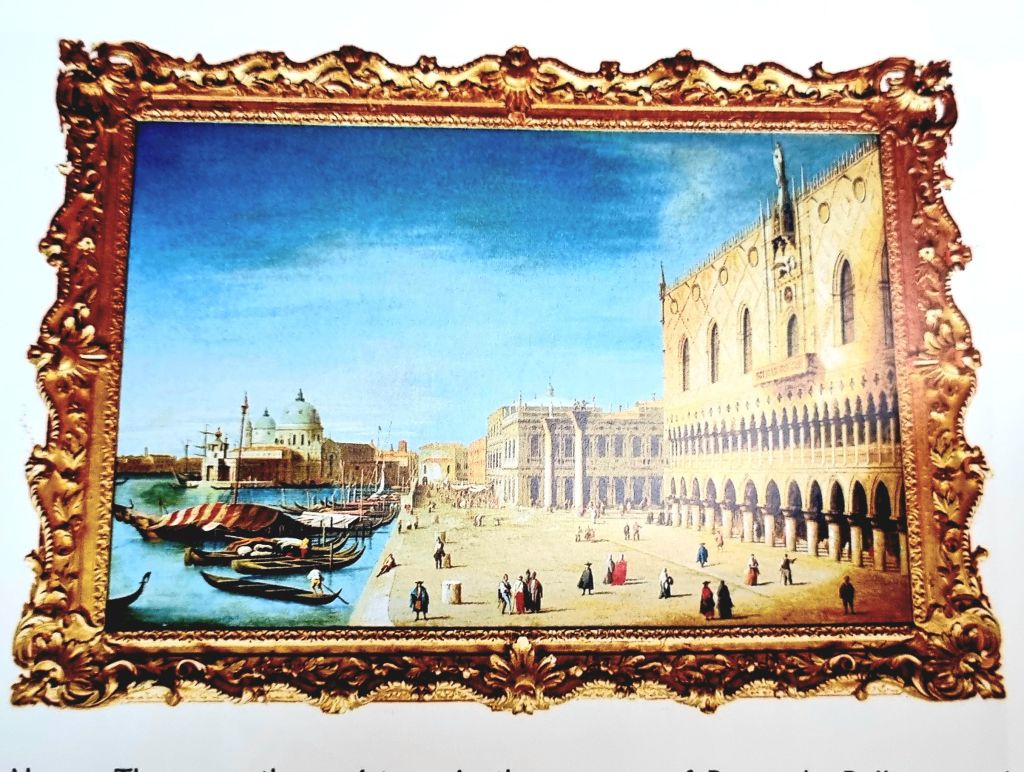
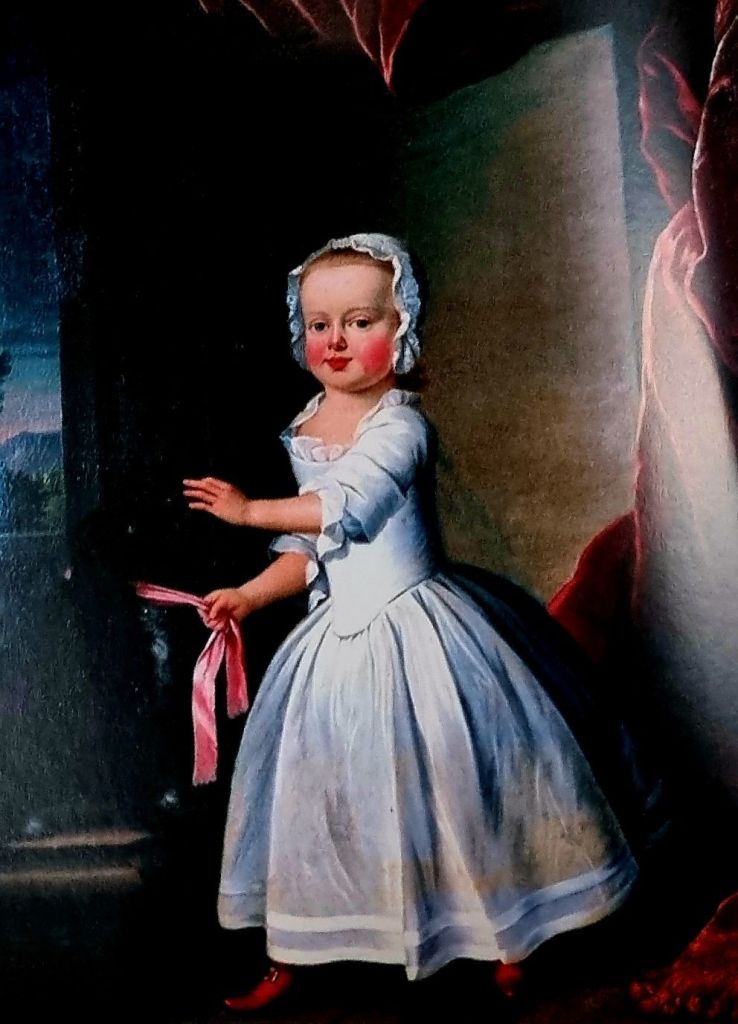
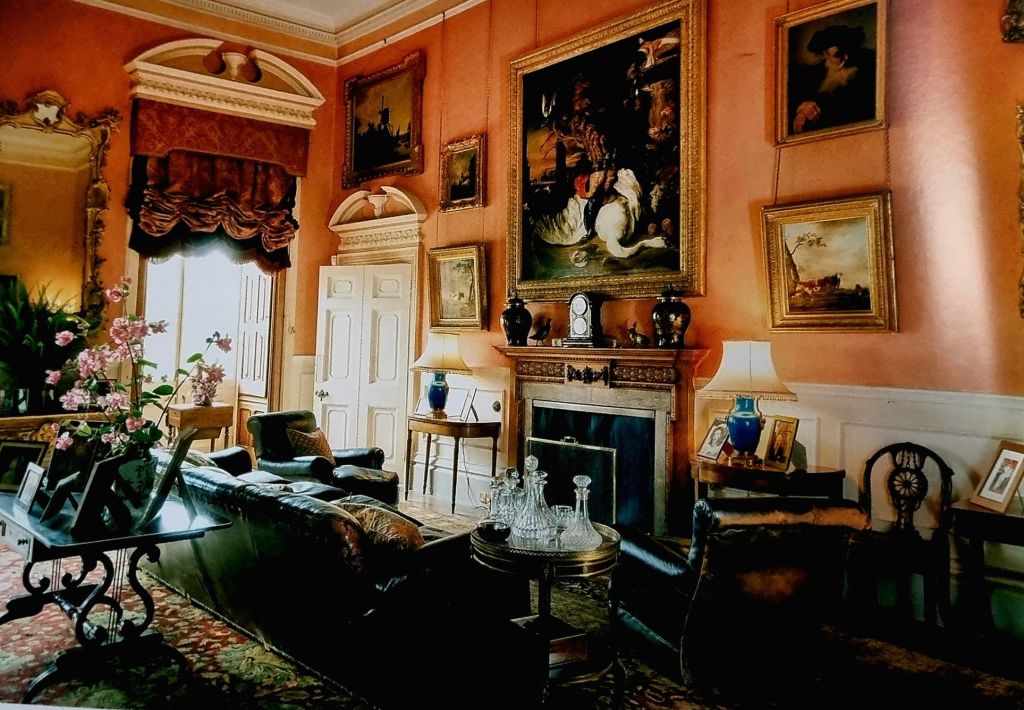
The smoking room speaks to another once gentlemen’s pursuit and is the location of a ‘more recent’ Egyptian find. A disused area between two interconnected doorways between the smoking and drawing rooms was opened in 1987 to reveal a series of cupboards housing antiquities from the 5th Earl’s discoveries from his 1907 – 1920 digs. How exciting! They’re now part of the Egyptian display we saw earlier.
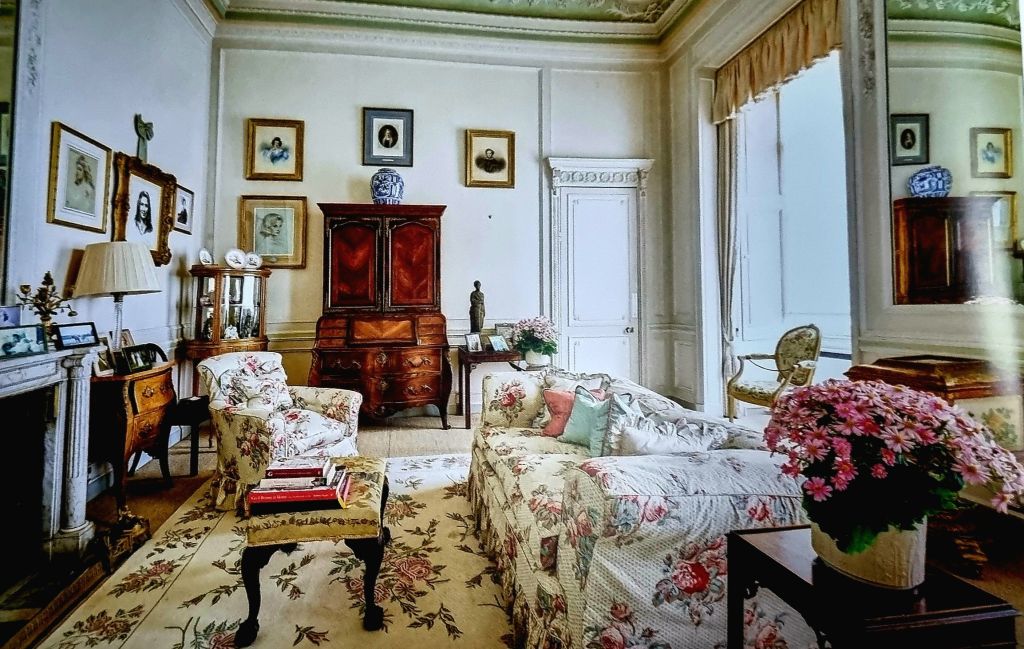
The morning room is another lovely feminine room, redecorated in the 1980s by the 7th Countess in a raspberry and off white theme, retaining a nod to the lovely earlier green in ceiling colour. It features a lovely series of portraits and sketches of past the current Countess.
Upstairs we tour the private rooms and a series of bedrooms, instantly recognisable from Downtown.
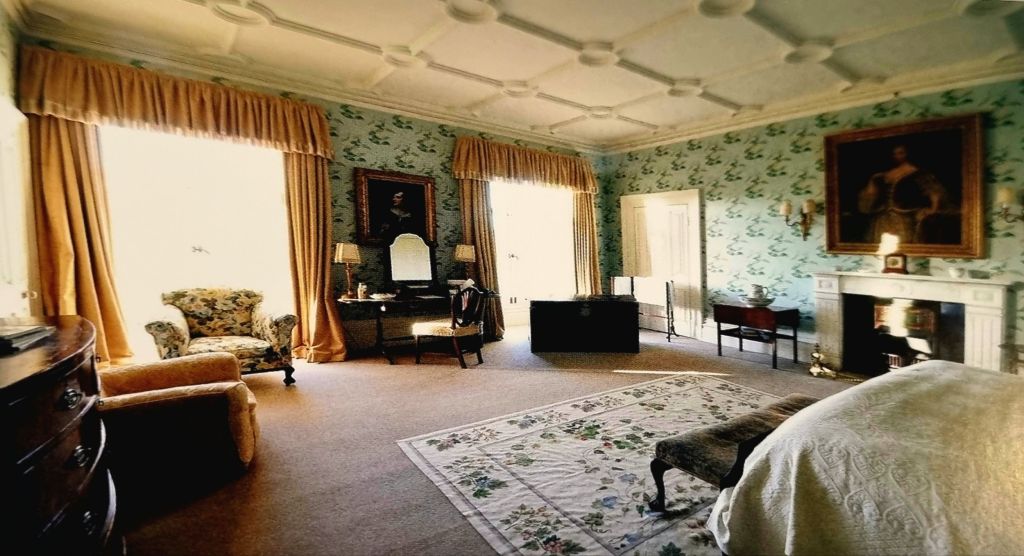
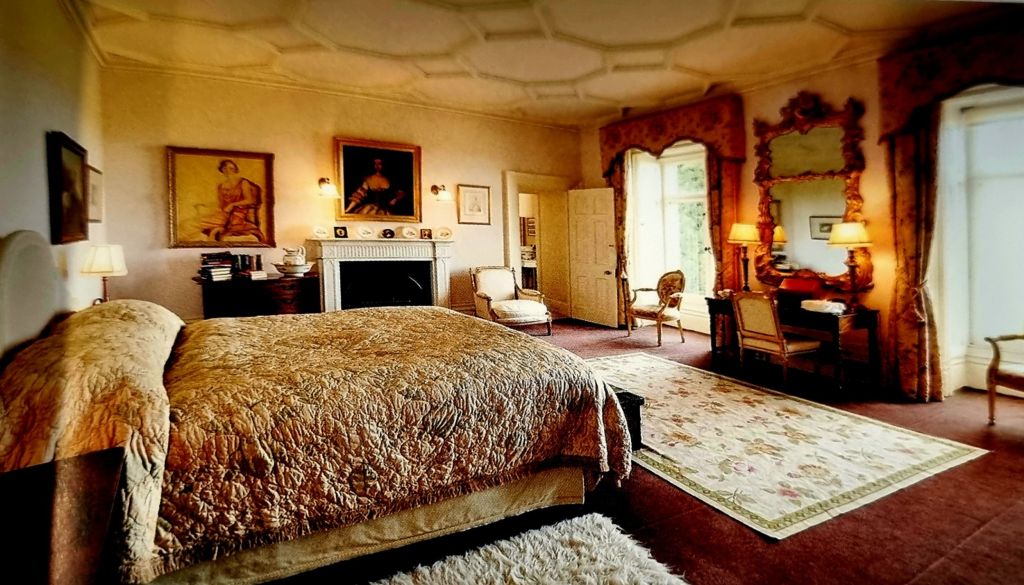
There are two floors of accommodations so we only see a fraction of Highclere’s 50 – 80 bedrooms, some of which have been turned into offices and staff flats. What we do see are well apportioned rooms with lovely views across the estate and individually themed decorative finishes. They’re set off a stunningly detailed 1st floor gallery.
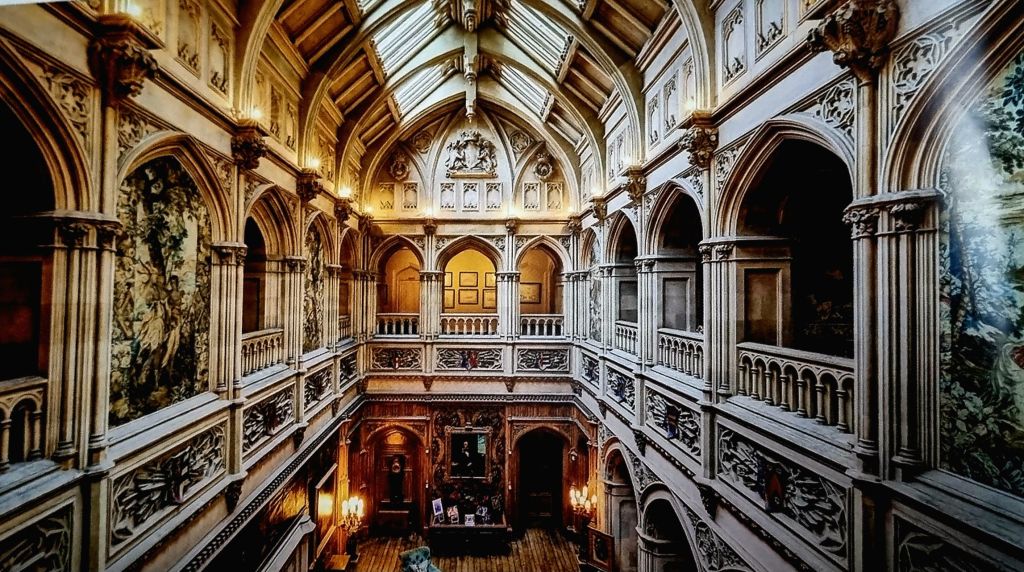
The gallery is a central feature of Highclere with a soaring 50 foot vaulted ceiling and a grand oak staircase.
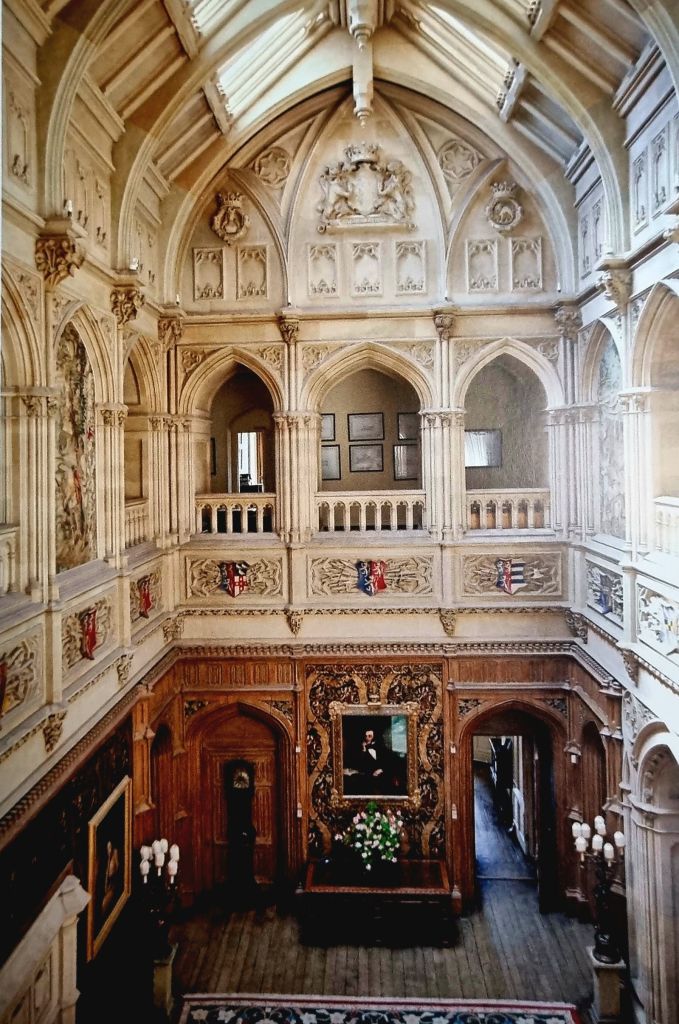
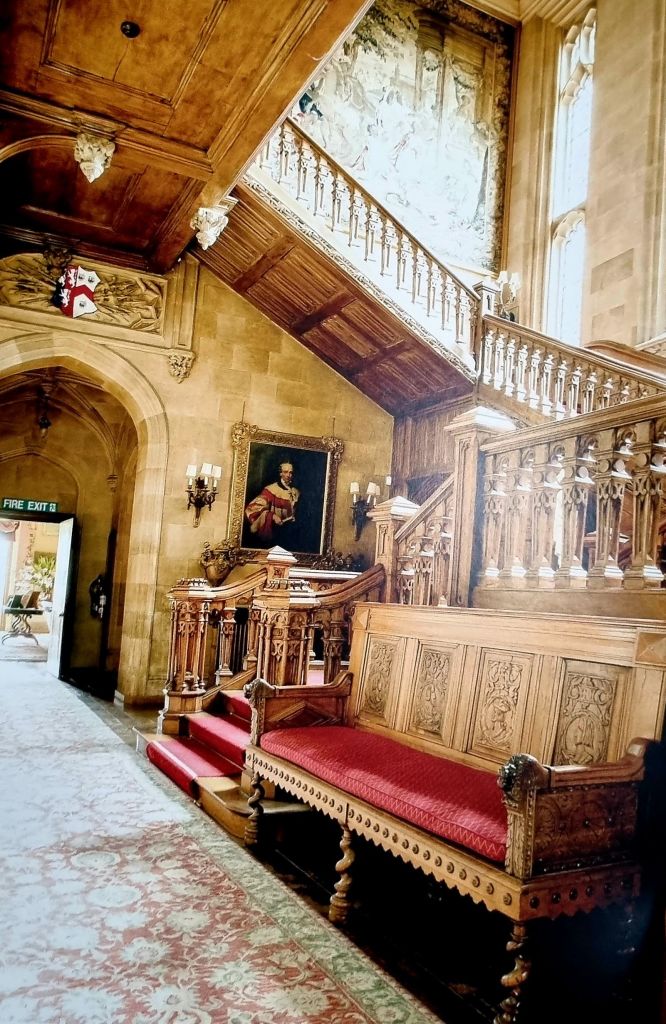
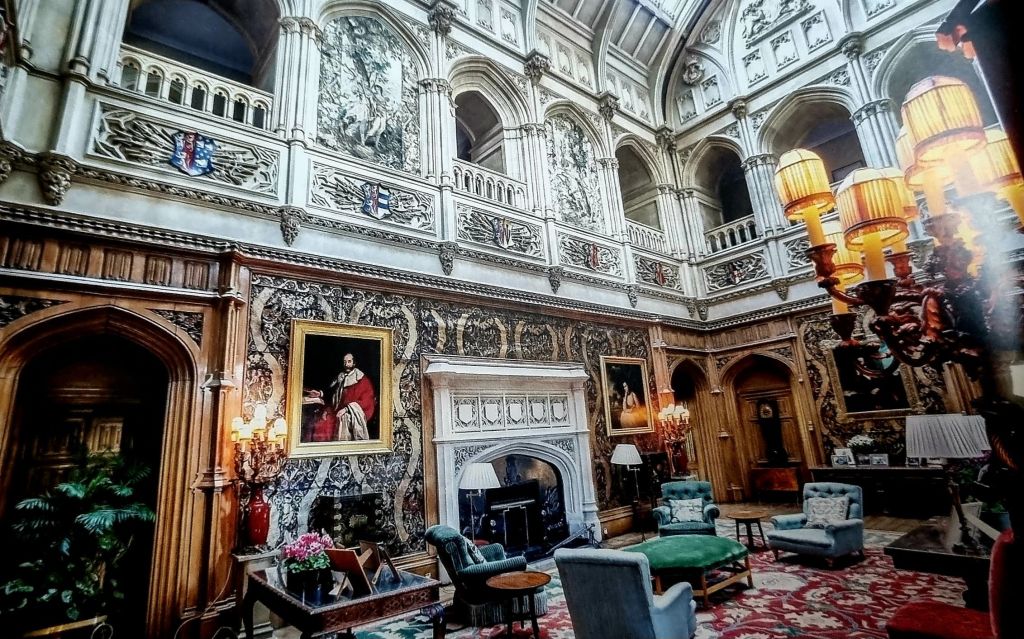
A central saloon presents as the heart of Highclere. Inspired by what may have one been the mediaeval hall in its Georgian incarnation, the saloon is decorated with heraldic shields and 17th century painted leather wall hangings.
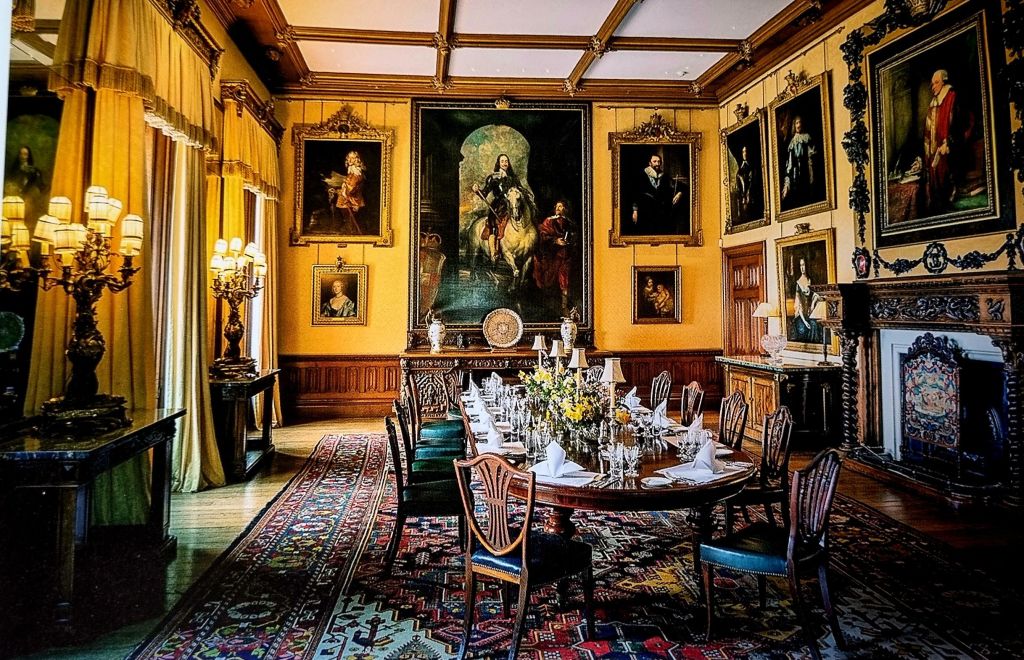
The formal dining room is decorated with yellow silk wall hangings and an impressive Van Dyck painting of King Charles I.
We learn that in addition to being deployed as a hospital in WWI, Highclere hosted children evacuees from London in WWII. I can’t imagine putting little ones on a train for places afar in the hope you might survive the Blitz to see them once again. There must have been so many orphans after the war.
All too soon our tour is over and after a quick stop for luck in the tea rooms we’re free to explore the grounds.
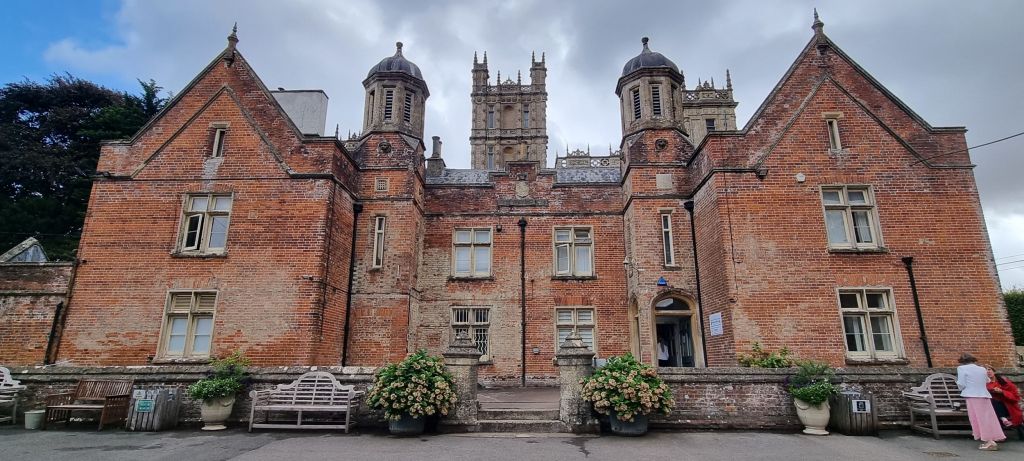
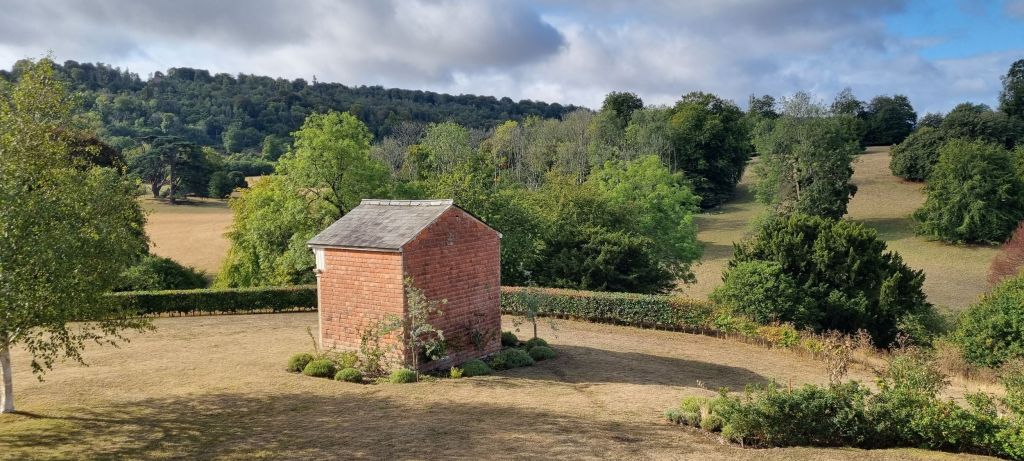
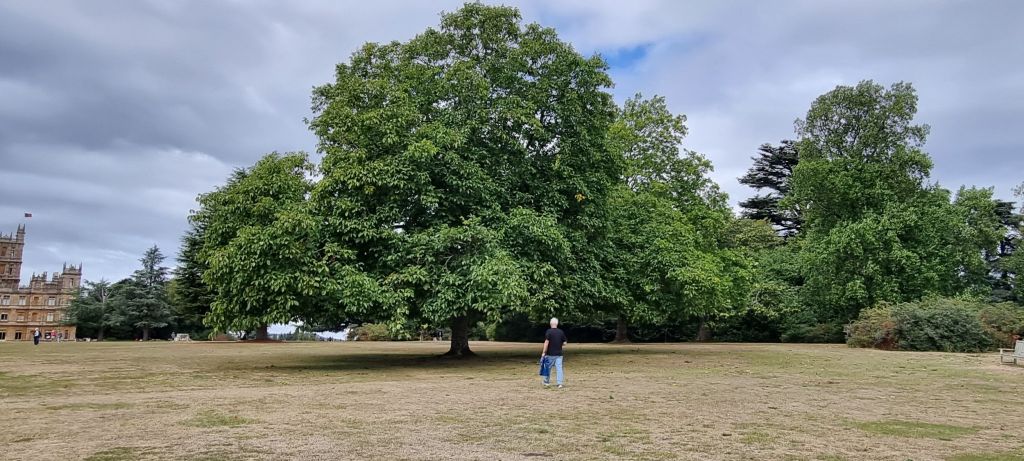
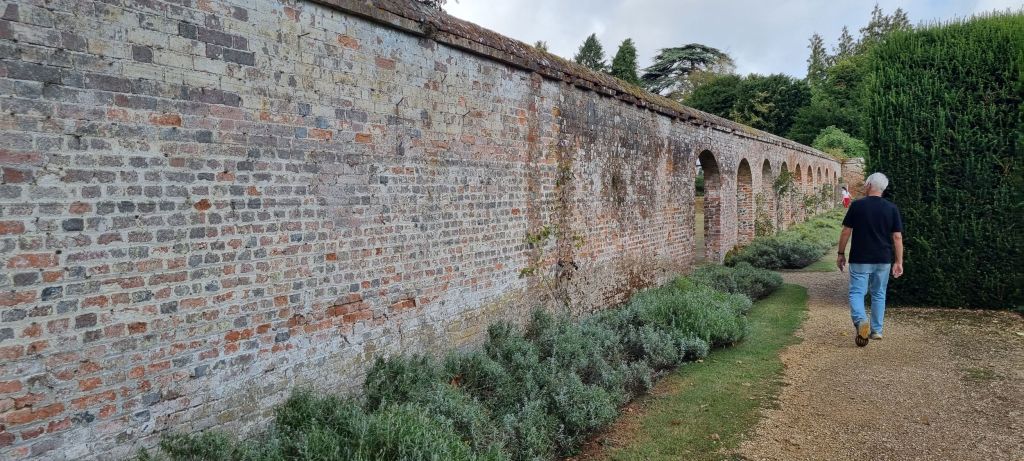
Highclere is surrounded by 1,000 acres of parkland (Capability Brown and the 1st Earl’s excellent work) and a further 4,000 acres of farmland. It’s suffered the summer heat – I would’ve loved to seen it blanketed in green grass.
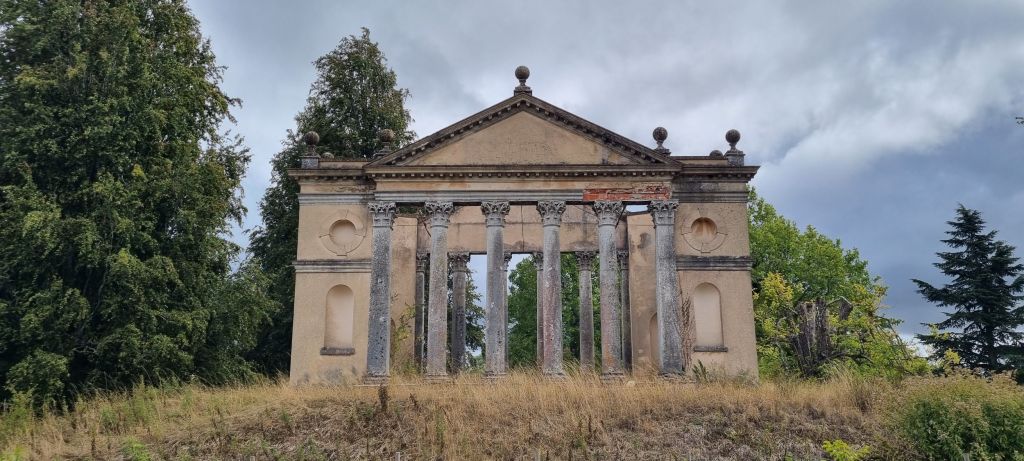
We see ancient trees, follies, newer woods and the promise of a bountiful autumn harvest
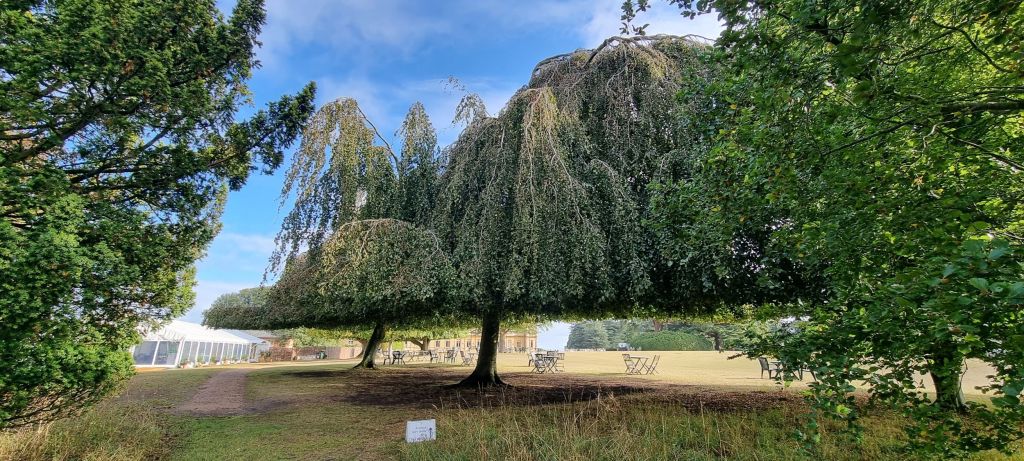
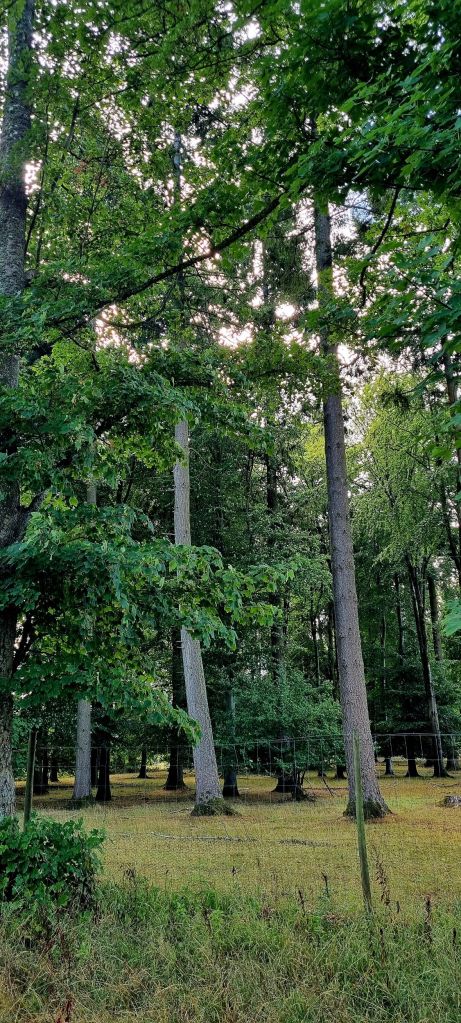
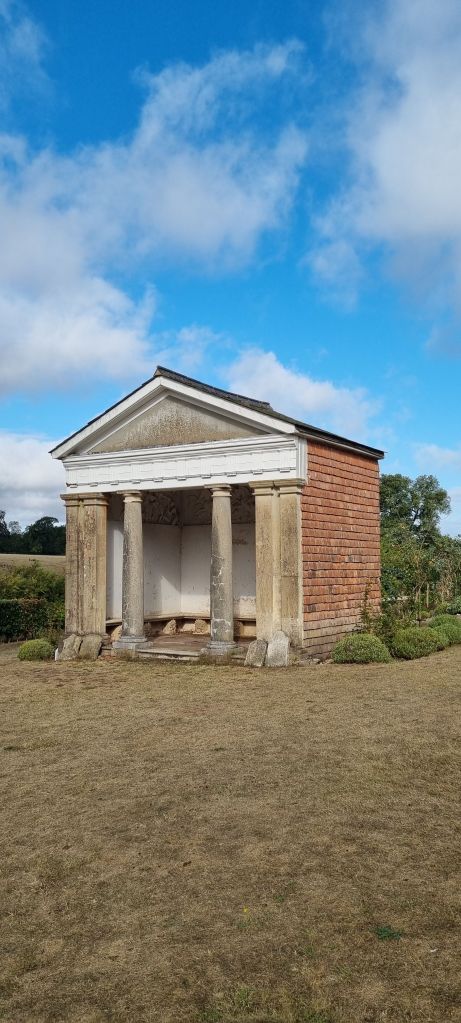
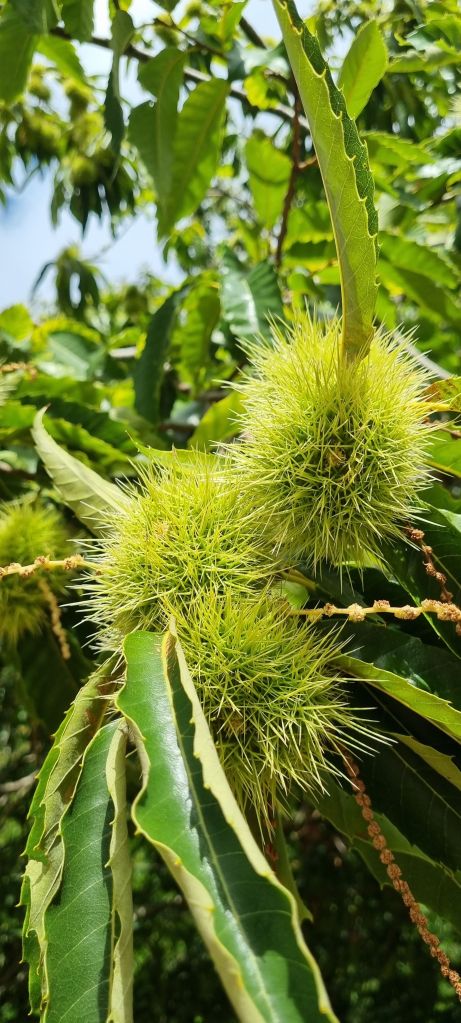
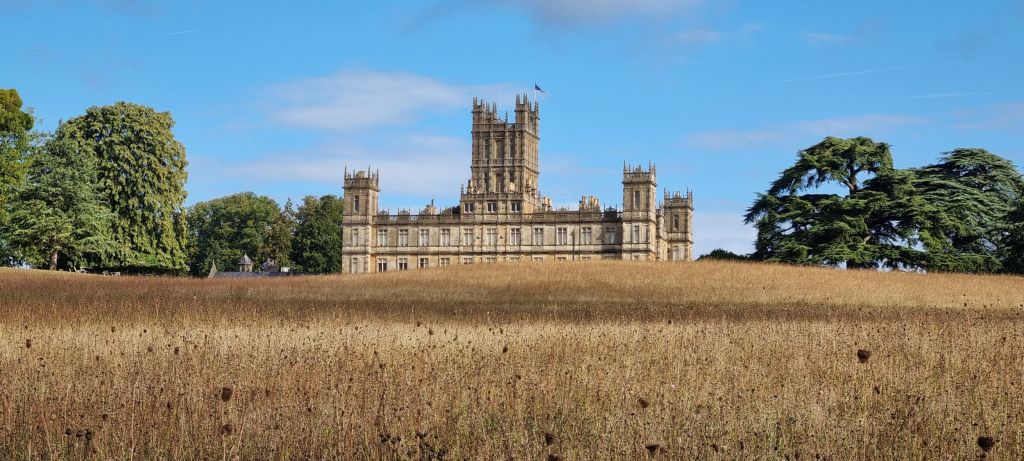
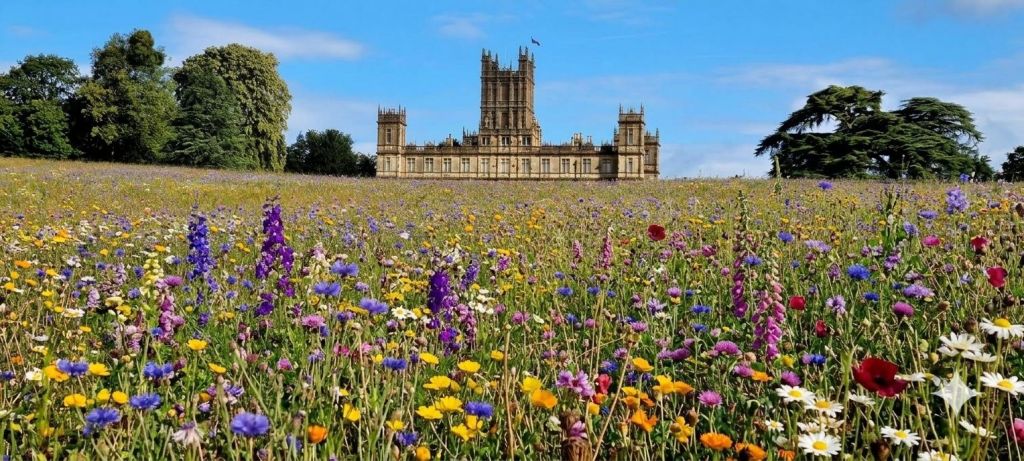
the wildflower meadow, sadly not in flower (I couldn’t resist a little AI tweak to depict how it might look in spring). We’re at summer’s end so little is in flower. This is a garden that would sing with spring colour.
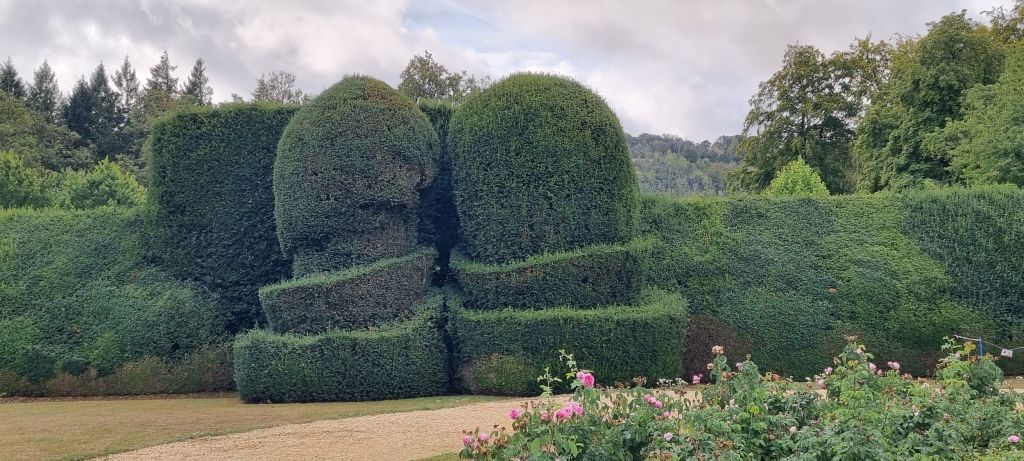
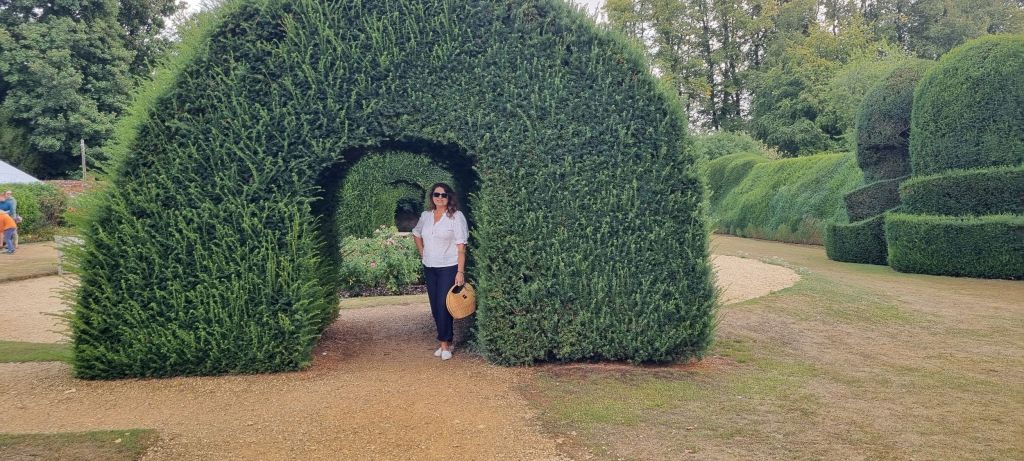
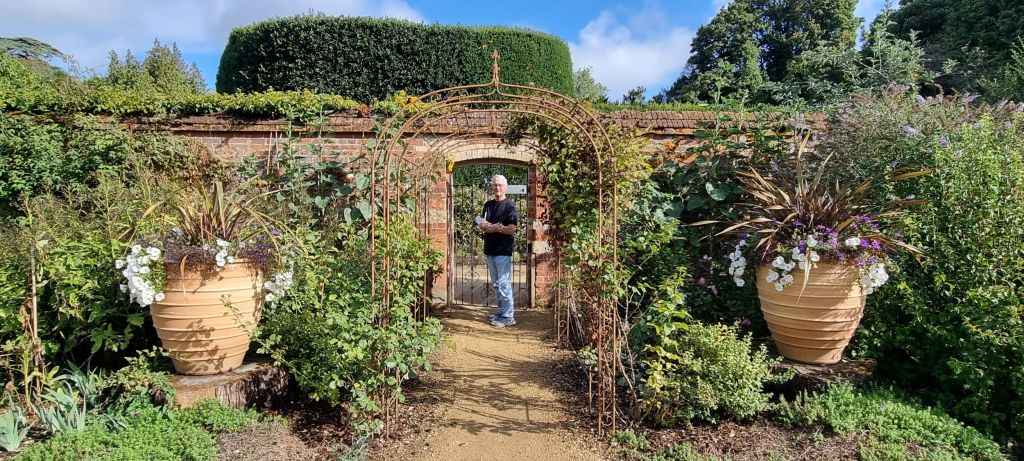
The monk’s garden is beautifully sculptural.
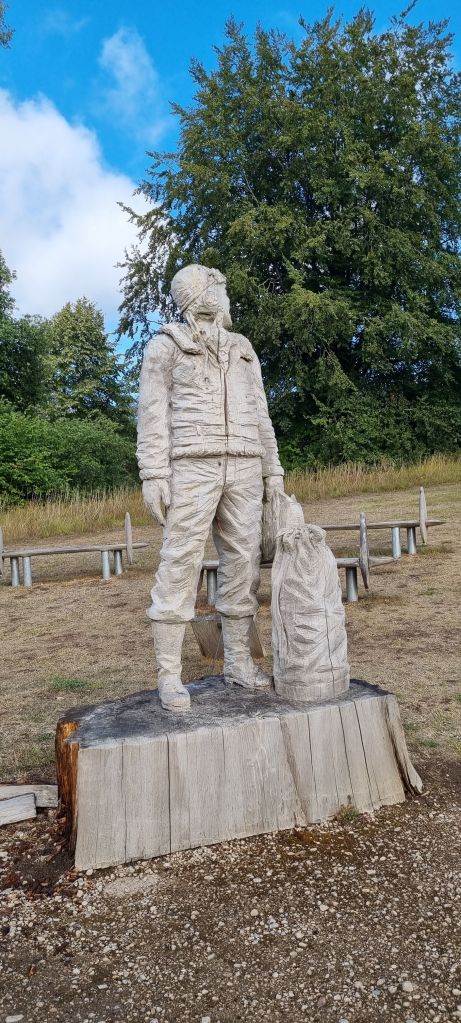
A recent addition is the Cedar Airman, sculpted in 2018 to commemorate air crew killed over the estate in WWII.
If time permitted, there was much more to explore with walks around Milford Lake, follies further afield including a classic Temple of Diana and Heaven’s Gate, formal entrance gates and lodges. Highclere Castle is a truly impressive estate. I’m so glad we finally had had the opportunity to see it.
We’ve still a long way to go to day’s end – all the way to Exeter. Our workshop appointment is the day after tomorrow and our fate will be once more in the hands of others.
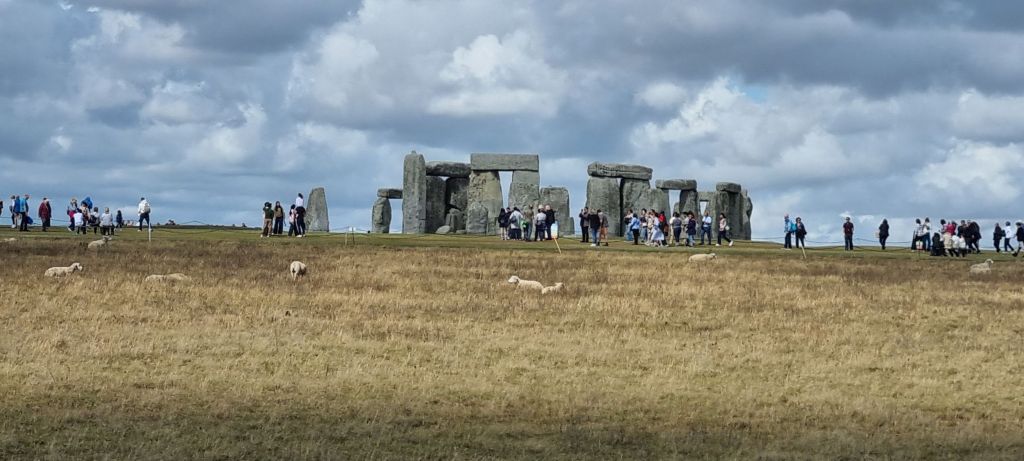
Our trek East is past Stonehenge with its ever present circling tourists.
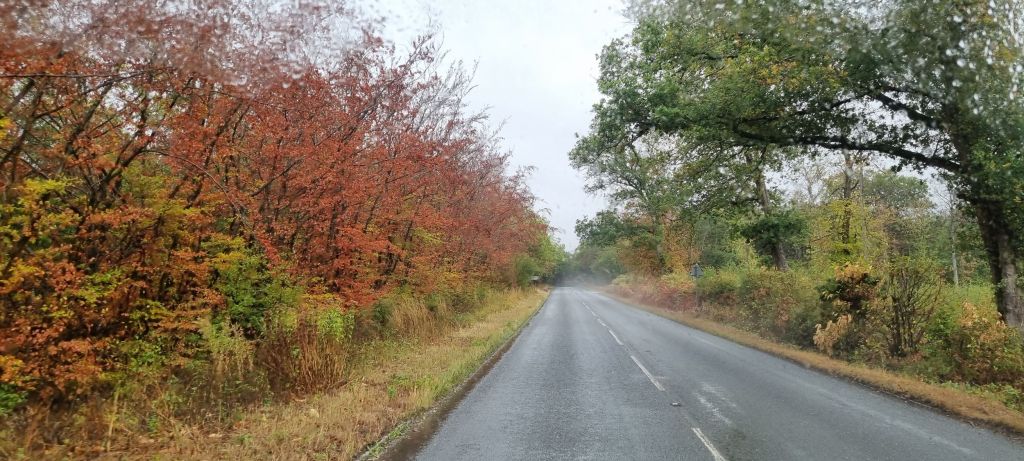
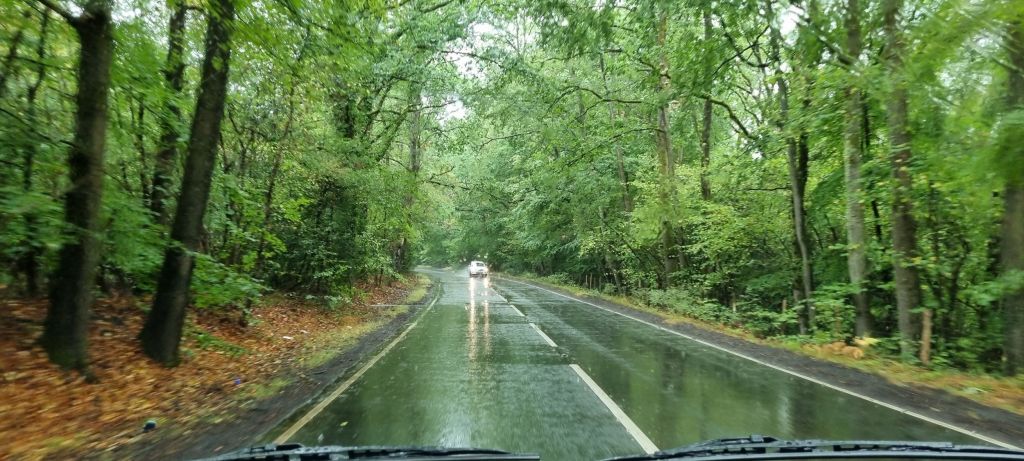
It’s a changling of a pathway, rich autumn colours transform to emerald green, rain gives way to sun. It will be interesting to see what true autumn brings. Not to mention the next few days. Here we go again…
 Miss Baci Travels