
A bit of a hit and miss day today. We start for Colchester but neither of us is particularly in the mood for it. It’s dawning on me that Himself isn’t particularly inclined to take the plunge to France past 1 September. He won’t commit either way, but given that he’s heading further northeast I can see our upper mileage cap slipping away. There are still too many variables to make the call – available crossings, weather, fires, etc but one thing is certain – if we use up our milage allowance, leaving is going to slip out of grasp. Not best pleased with aimless meandering. It’s with this frame of mind we (I) approach Colchester.
Located 80 km Northeast of London, Colchester is said to be the oldest recorded town in England. It’s referenced in historical records as far back as 79AD and prior to that it was an in important military base in Roman times. Colchester Zoo TV series airs back home, highlighting one the town’s key attraction. It may possibly be a first, but I’m not in the mood to go to the zoo…yes, I’m that grumpy.
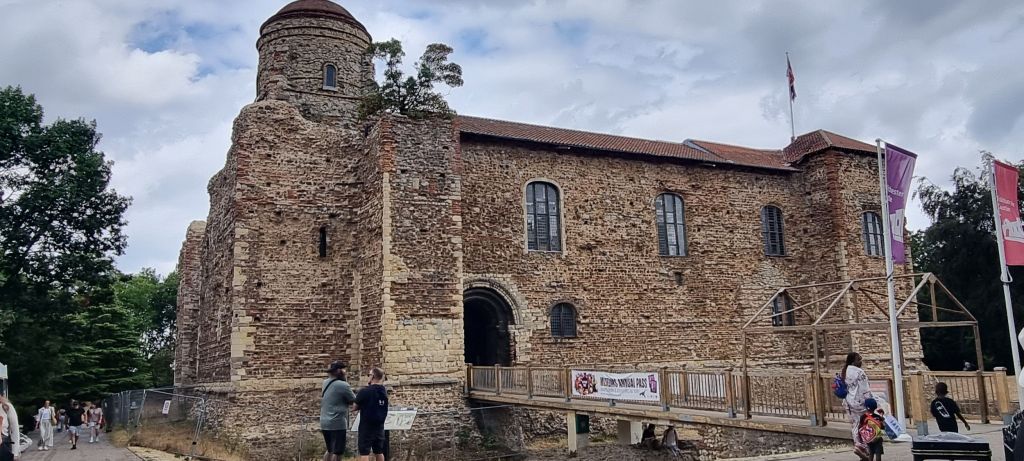
Instead we walk to Colchester Castle, a Norman construction from the 11th century. It’s the largest example of its kind anywhere in Europe, built on the foundations of the Roman Temple of Claudius. It’s now set within the town’s parklands and home to a museum.

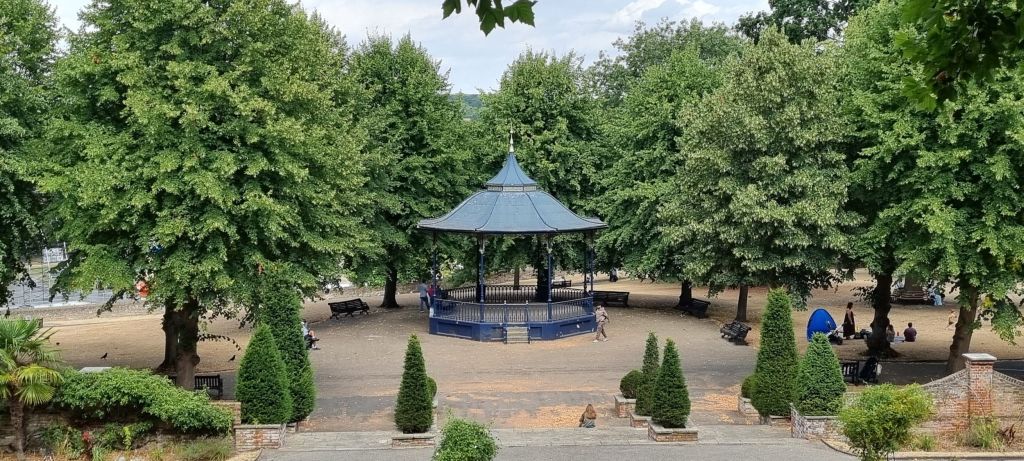
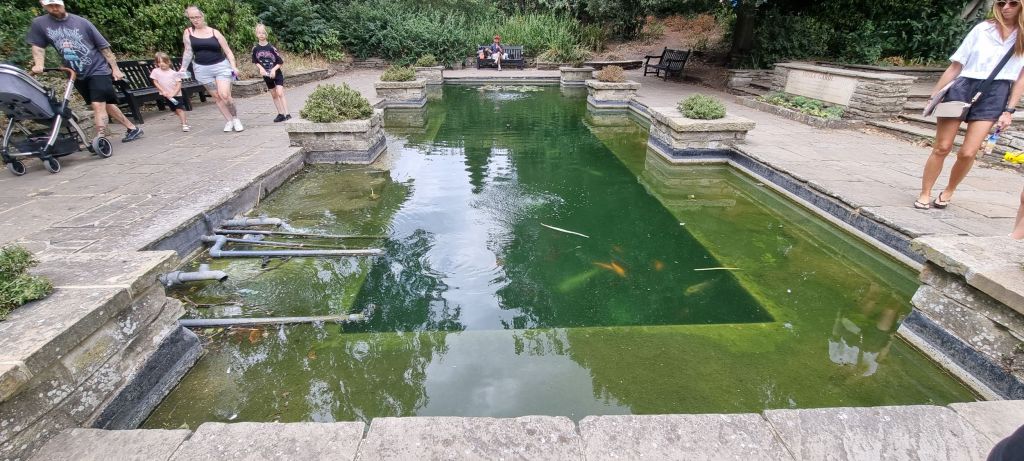
The parkkands are burnt to a crisp along with everything else but we do see a sweet squirrel and a pond with enormous bewhiskered fish. I’m caught short without nuts on hand, something I’ll have to remedy.

It’s a only a brief stretch of the legs enroute to Bury St Edmunds, known more practicaly as ‘Bury’. They do have some fabulously quirky place names here. My favourite is still Cornwall’s ‘Mousehole’. 🐁.
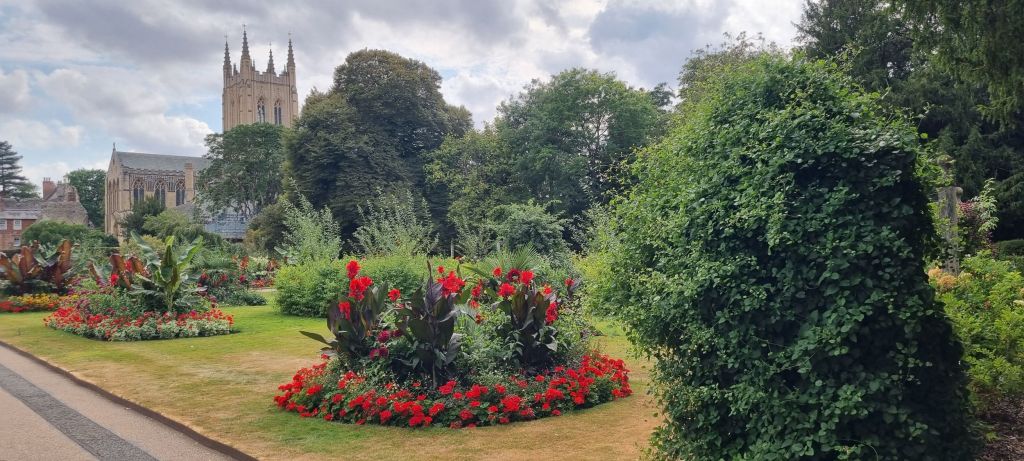
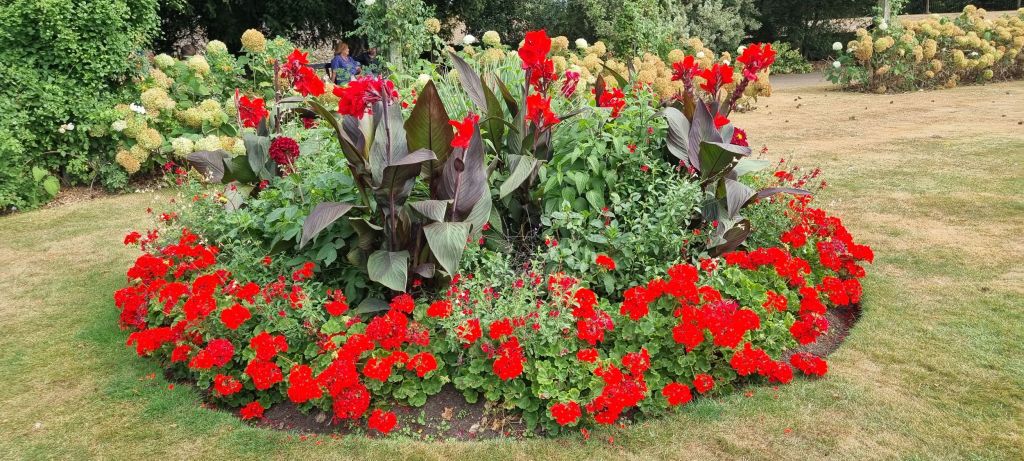
We arrive late in the afternoon and are lucky to jag a spot right in the village near the Abbey ruins. There’s time for a quick explore before days end. There’s a garden! And for once it’s not burnt to a sad brown! I could weep in gratitude – I find the lack of greenery terribly sad and rather depressing. A chat to the head gardener reveals they’ve moved heaven and earth to keep the garden alive, hand watering under a hose ban – they’ve done a great job.

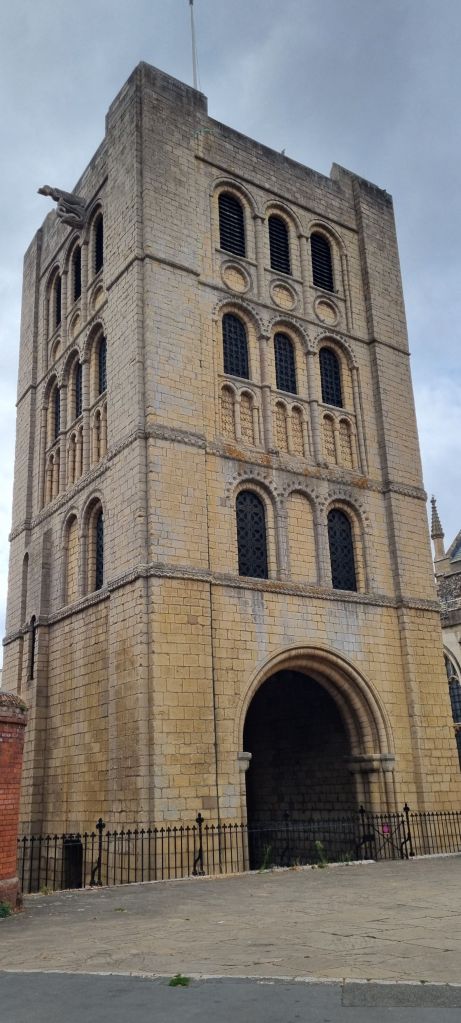
The Abbey’s 14th century Great Gate and Norman Tower remain as an impressive entry points to Bury.

It’s a pretty spot but will have to wait until tomorrow to explore properly.
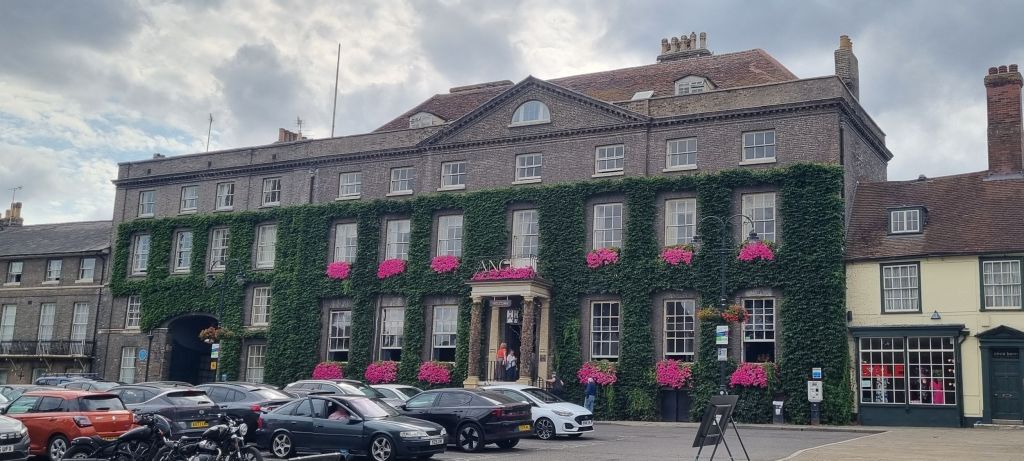
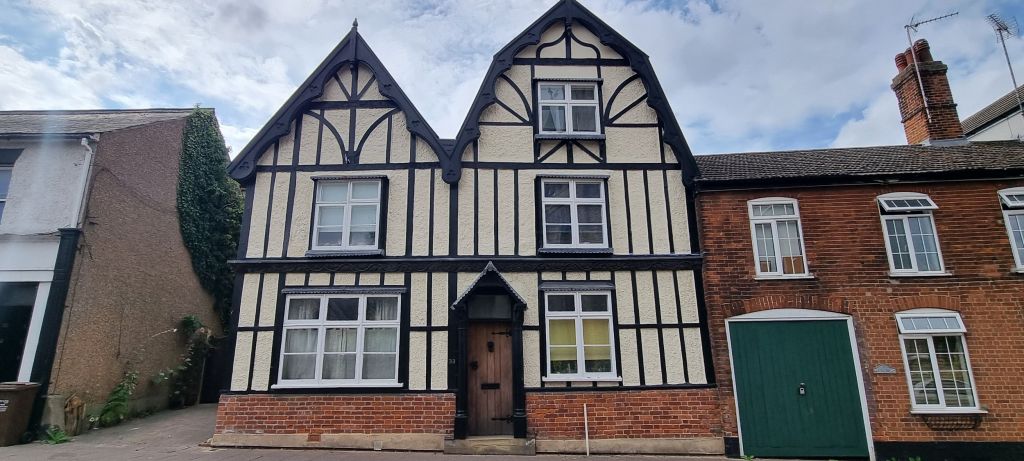
The following day we start with a tasty lunch of Thai street food at The Giggling Squid – yum! You’ll see my mood has lifted…




We learn that the village is named after Edmund, an East Anglian Saxon King. His death comes with a legend of course – you don’t get places named for you that easily. And it’s rather fabulous: King Edmund was minding his own business, busy being King, when he was captured by Danish invaders in 869. When he refused to renounce his Christian faith, the Danes took exception, peppering him with arrows and then decapitating him. Post battle, the King’s men found his body but couldn’t find the head. Now this is the good bit: hearing howls from a nearby wood they discovered a wolf protecting the King’s head. On reuniting head with body, a miraculous event occured: the head fused back to his body. Mmmhmm. Good boy Wolfie is honoured throughout Bury.
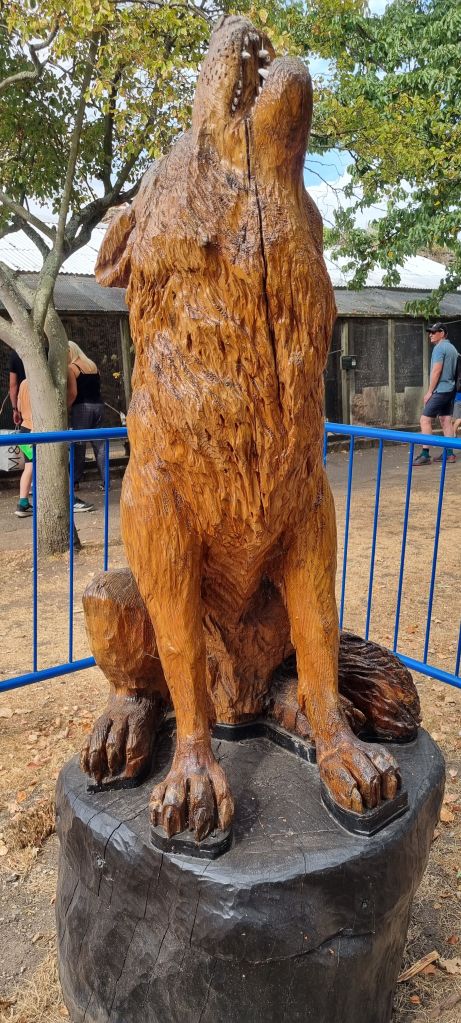

King Edmund meanwhile was revered as a martyr and was sainted within a generation. In 1020, King Cnut had a stone church built for Edmund’s body, the beginning of the Abbey we see in ruins today. It went on to become one of the most famous pilgrimage locations in England, visited by royalty and who donated generously and propelling the Abbey’s expansion.
Such was St Edmund’s importance he was Patron Saint of England from 869 – 1350 until St George stole his thunder by slaying a dragon (still to get to the bottom of this legend…)
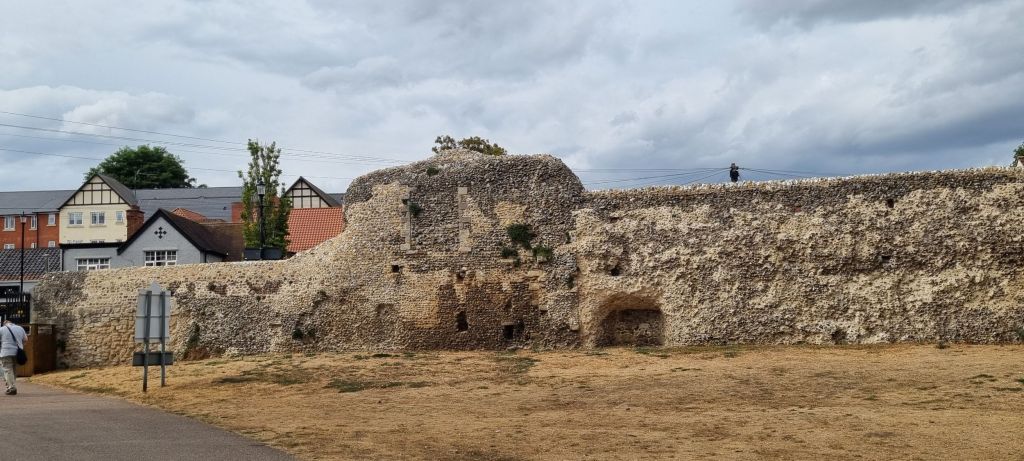
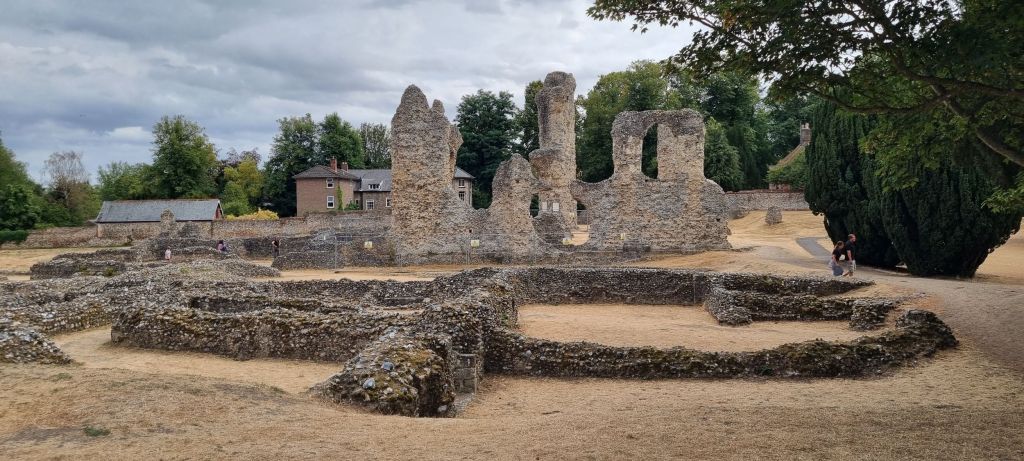
Over the next few centuries, the Abbey grew from its humble beginnings to become one of the richest and most powerful Benedictine monasteries in England. It was Europe’s fourth longest church, its size and craftmanship rivalling many cathedrals. Its fortunes turned in 1539 under Henry VIII, when its importance as a pilgrimage site led to its destruction. St Edmunds Abbey was systematically demolished to demonstrate Henry’s power and control. As with so many monasteries, it lost its roof and its fine outer stonework was stripped for use in
other buildings leaving the extensive stone cores that remain today.


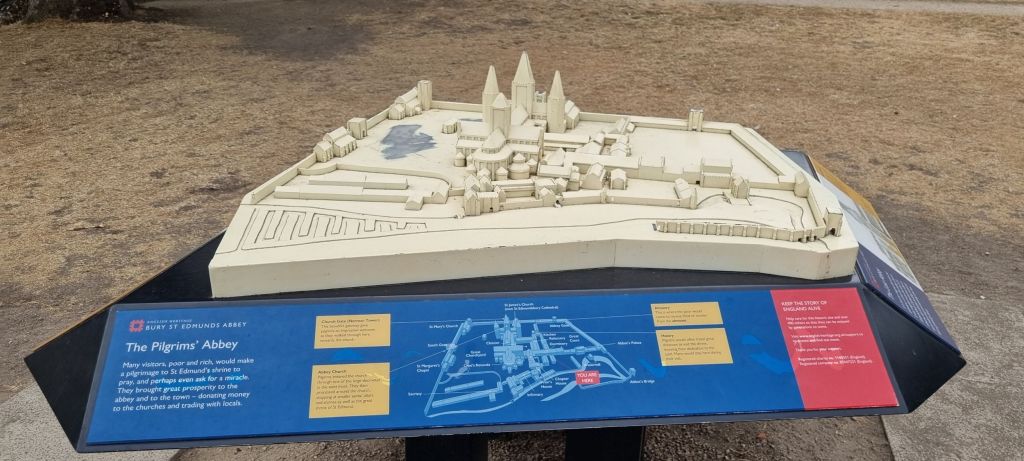
A model of how it once appeared is on display.
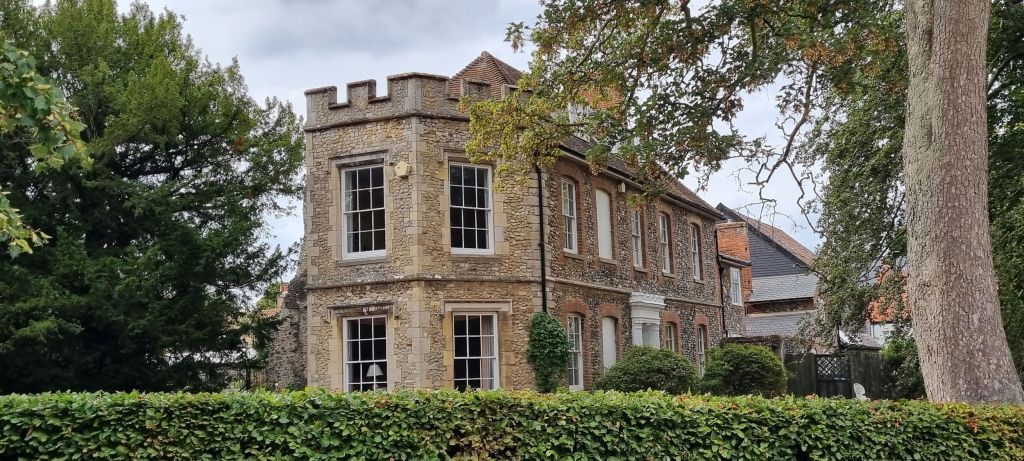
Interestingly, what remains of the Abbey outer walls have been built into new buildings over time.

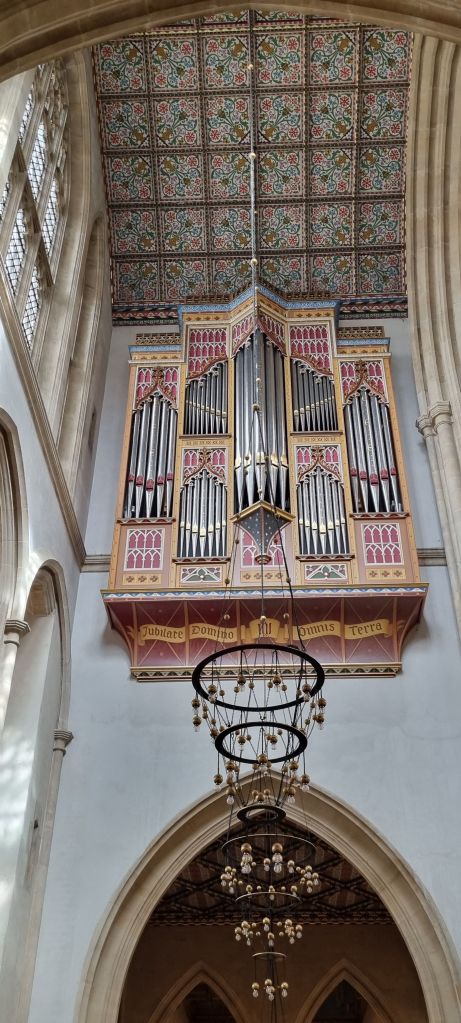
Also located in the Abbey Gardens is the St Edmundsbury Cathedral. Originating in the 11th century, it was rebuilt in the 12th and 16th centuries as a parish church and became a cathedral in 1914. Rather lovely mediaeval painted ceilings.



I can’t resist another walk though the Abbey Gardens. Greenery, at last.

