
It’s fair to say that Himself is obsessed with all matters pertaining to war. Purely up to him, European travels would consist of stormed beaches, bunkers and battlefields, punctuated only by stops for burgers and red wine. A visit to Fromelles has been on his list for a while.
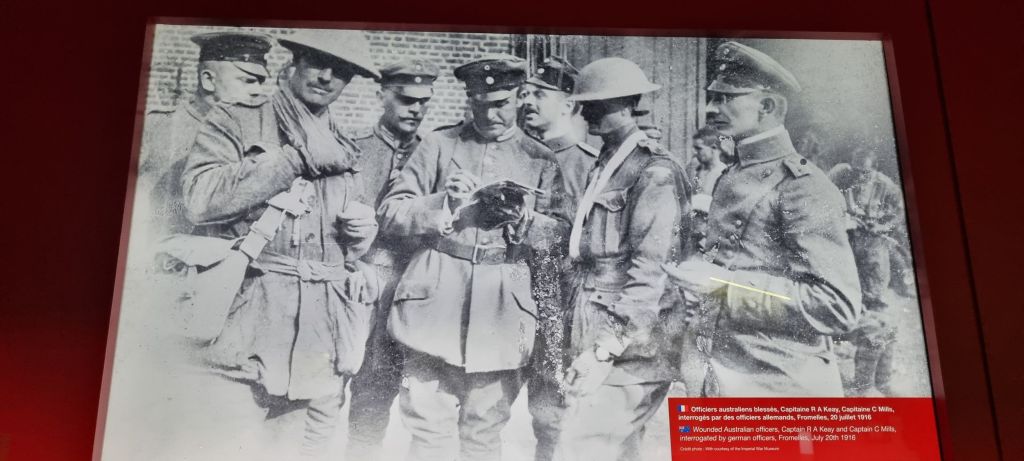
It was the site of the first battle involving Australian troops on the western front, marked as one of the most tragic events in Australian history. Within 24 hours, 5,553 men were killed, wounded, deemed missing or taken prisoner. A brutal, bloody battle for young men who’d came from from far and wide, many off the land. And they thought they were going on an adventure to see the world.
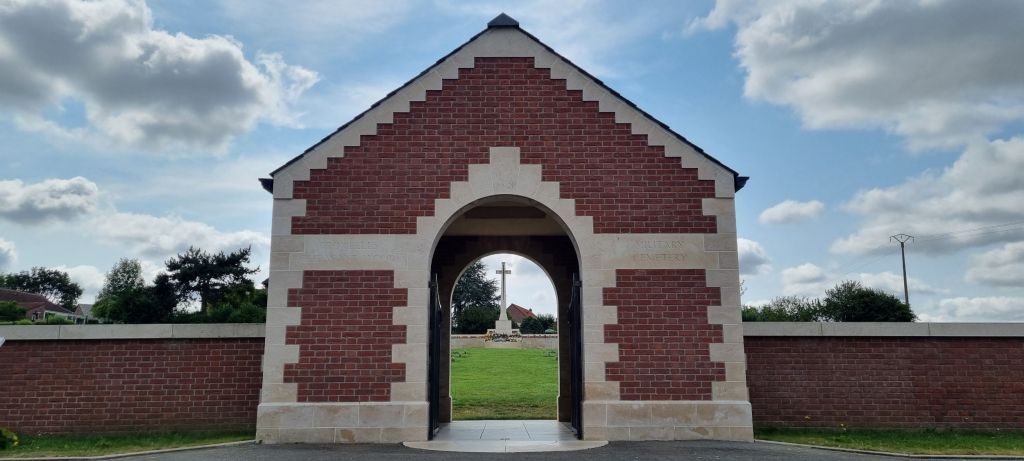
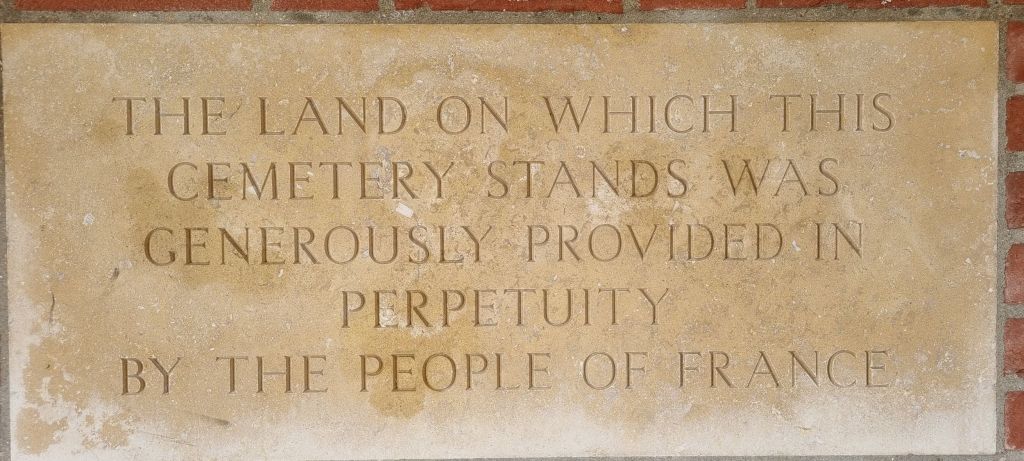
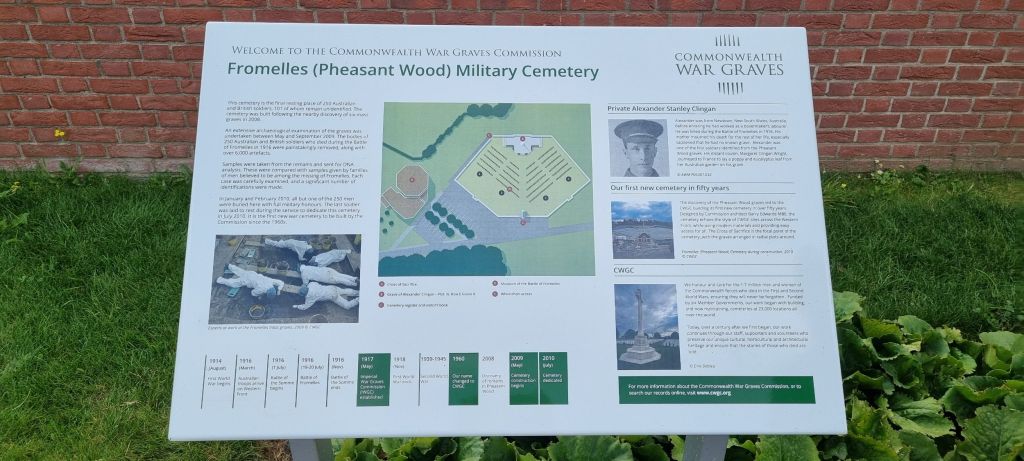
We’re here visit the Pheasant Farm military cemetery and museum, unusual in that the cemetery was only completed in 2010, the first in 50 years. DNA served to identify many soldiers interred here, that work still continues in the hope of identifying them all.
Quoting from the Commonwealth War Graves site “the cemetery contains a total of 250 Australian and British soldiers. 225 are Australians, of which 59 are unidentified, 2 are unidentified British soldiers and 23 are entirely unidentified Commonwealth soldiers. The 250 were recovered in 2009 from a number of mass graves located behind nearby Pheasant Wood, where they had been buried by the Germans following the disastrous battle of Fromelles on 19 and 20 July 1916.”
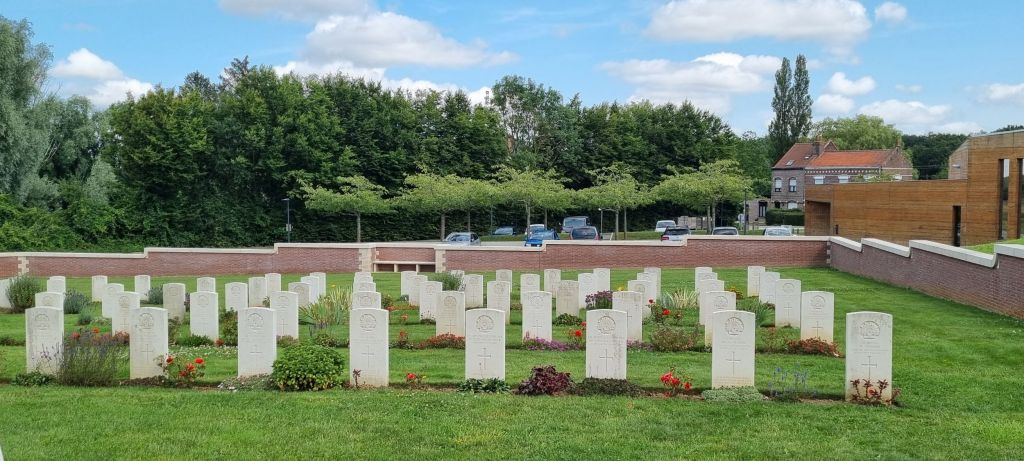
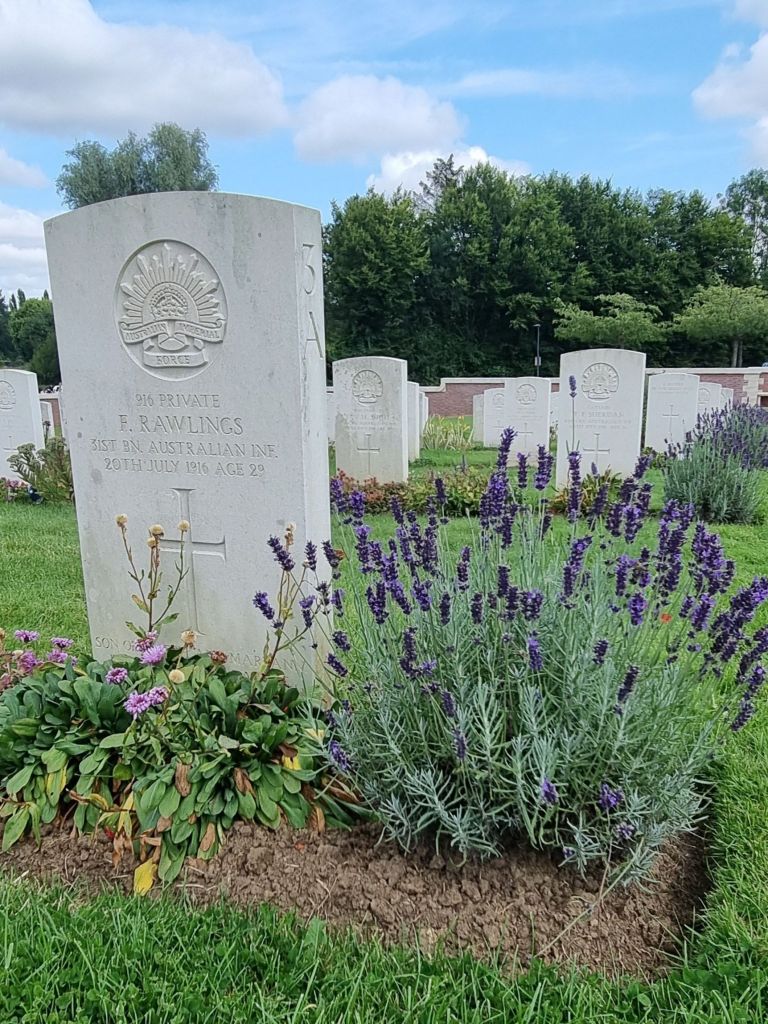
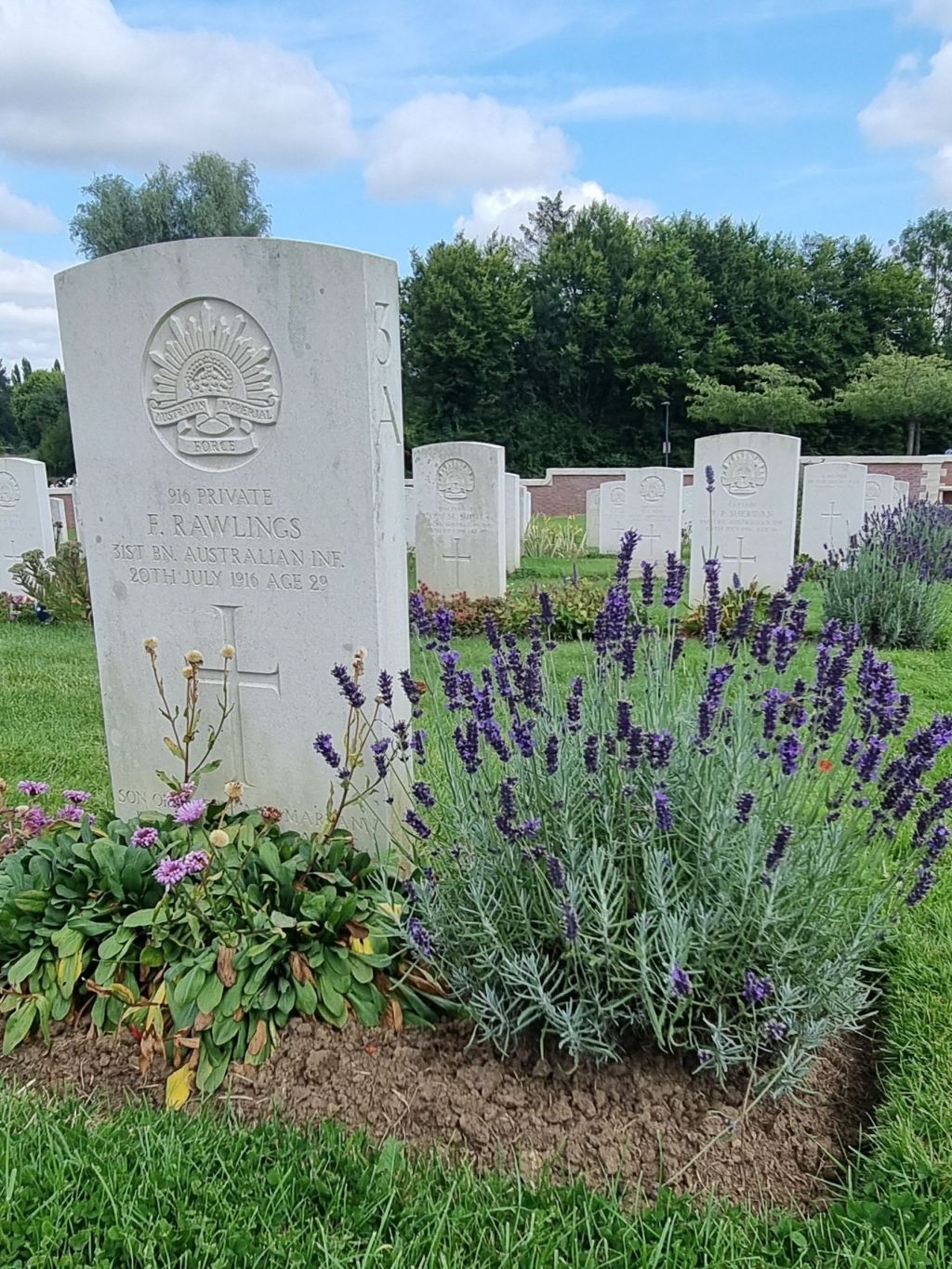
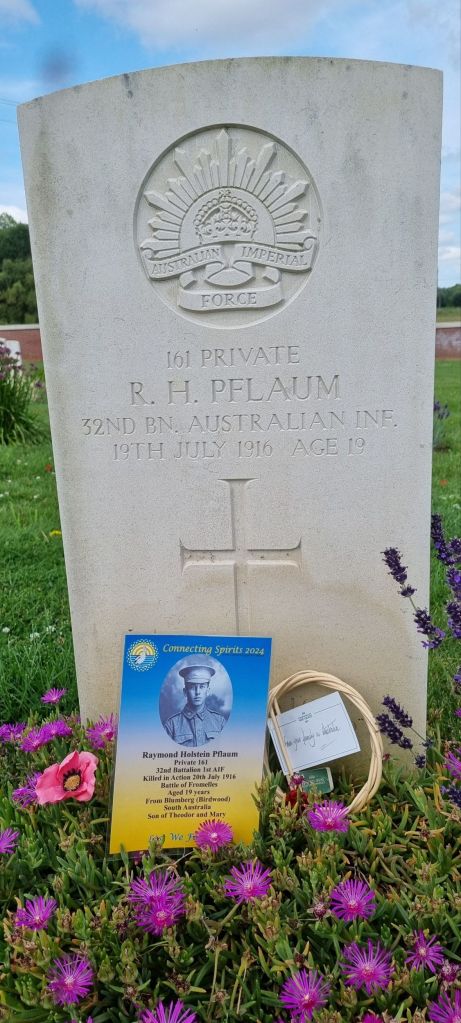
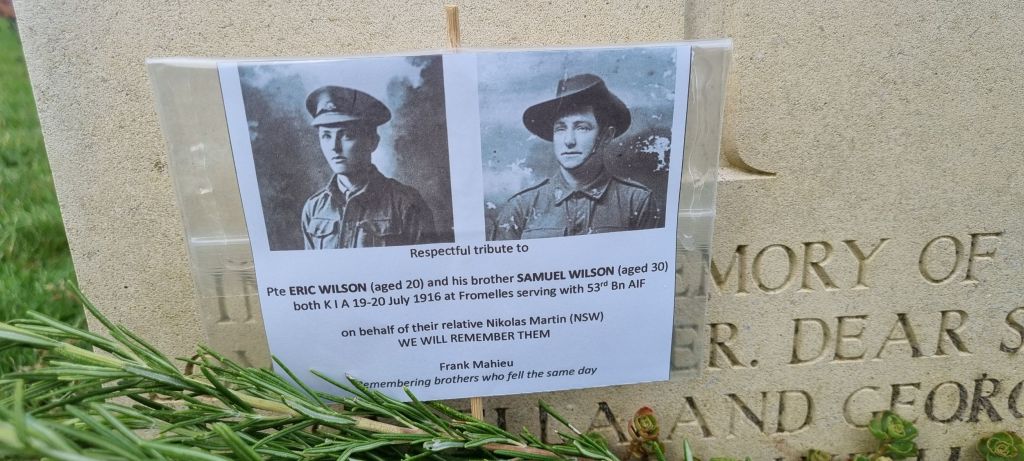
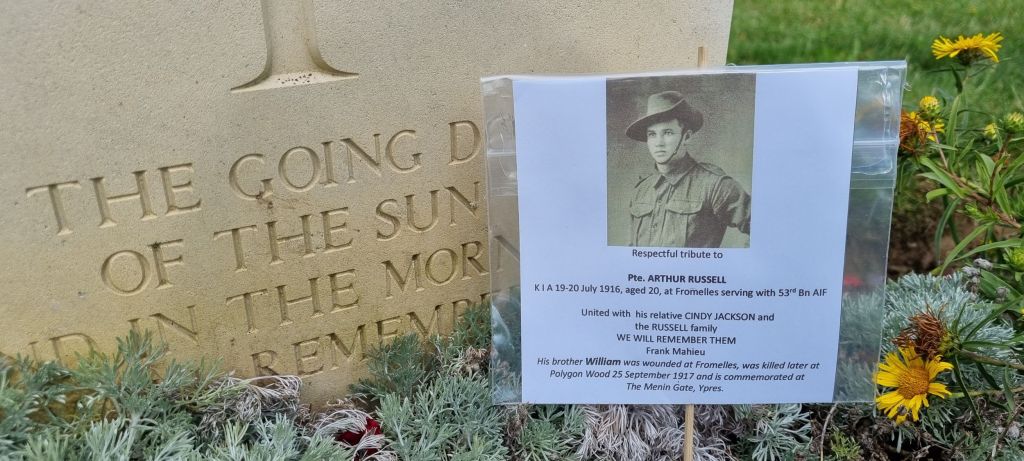
The occasional headstone holds family messages, personalising the young man lost to them. Quite heartbreaking. Headstones of those unidentified are marked as ‘Known unto God’.
We meet Johan Vandewalle here, an amateur military archaeologist. He tells of being called in consult when road works to lay a new gas pipe in Belgium located human remains, eventually identified as a group of five Australian soliders. One man was buried carefully covered, set apart from the others, devoid of any identification, his body partially mummified due to the care taken when burying him. Incredibly it turned out that Johan knew the solider’s family through their visits to Belgium looking for him.
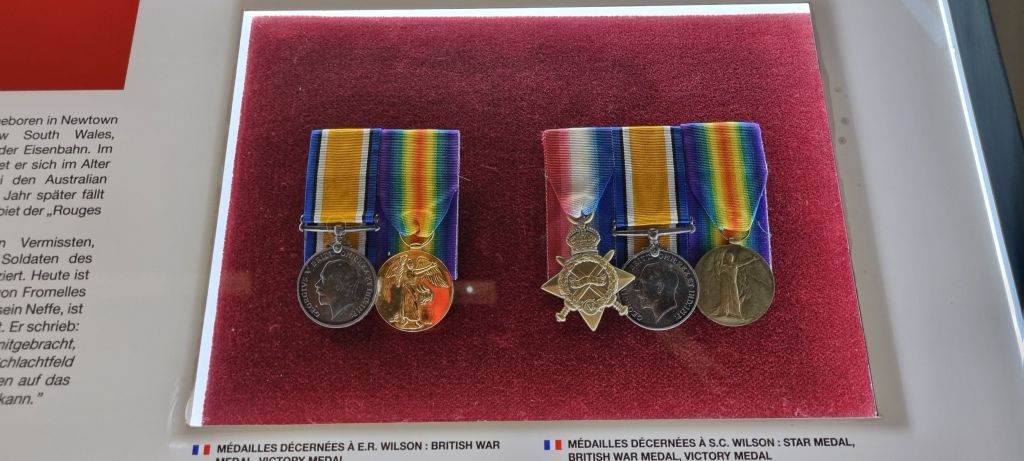
It’s a story of two brothers. The younger brother enlisted, the older brother followed suit ‘to keep an eye on him’. They were in the same battle, the younger brother survived, the eldest did not. The younger brother buried eldest, taking his belongings as family keepsakes. Over decades, the surviving brother kept coming back to look for the grave, meeting Johan along the way.
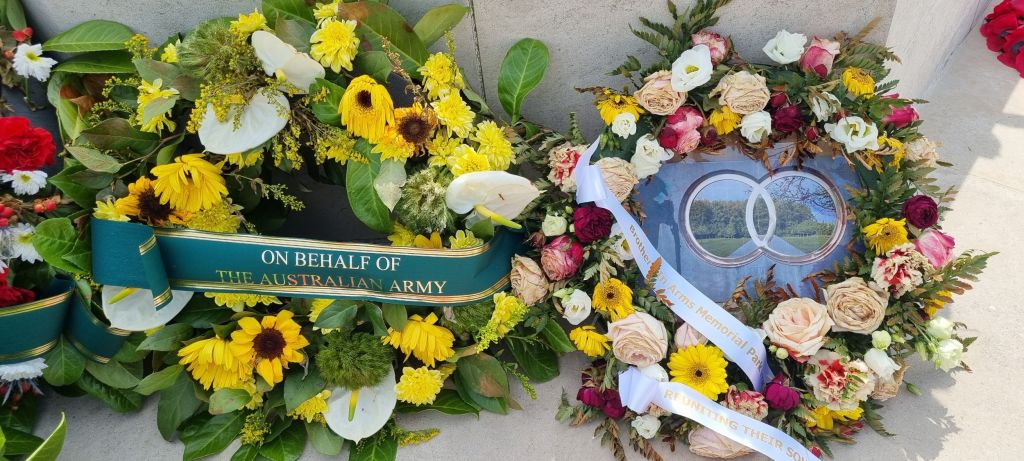
Their story stuck with Johan who was on site when the five soliders were excavated. There was something in the way the the fifth soldier was buried, set apart from the others, that was familiar. Incredibly, DNA testing proved it was the missing eldest brother. Sadly, the younger man didn’t survive to see his brother found, passing away in 1977. Johan created the Brothers In Arms Memorial on his land to commemorate the brothers. It’s set with interlocking rings, made from military shrapnel, represent the two brothers reunited in death. He’s here at Pheasant Farm to lay a wreath for them. What an incredible story.

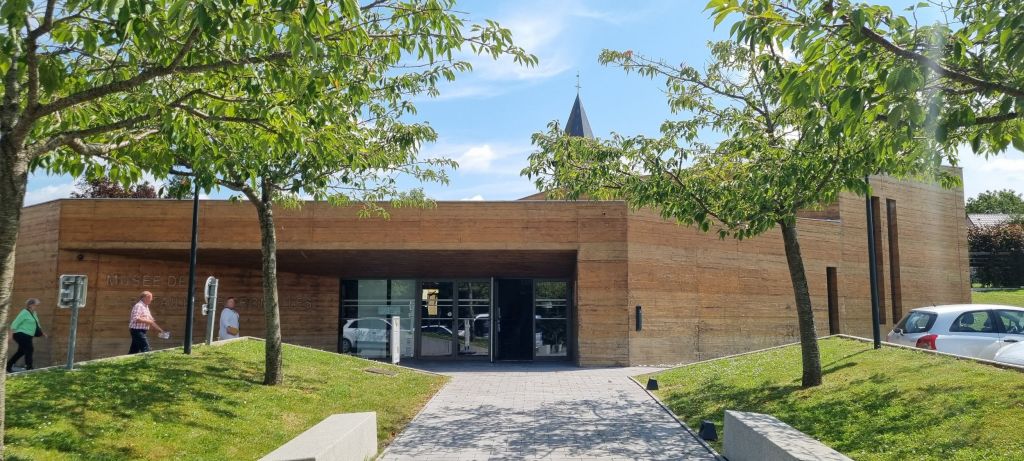
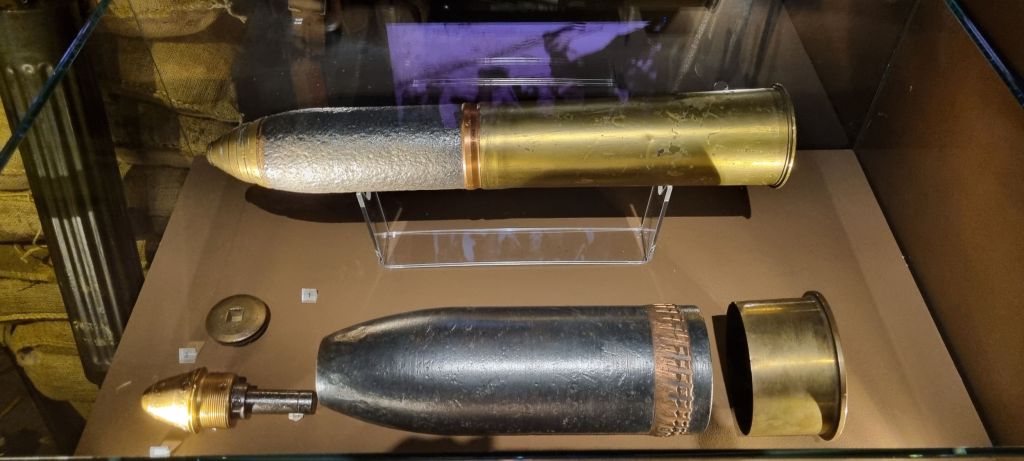
We also visit the adjacent museum that details the work undertaken in identifying soliders and the Fromelles battle.
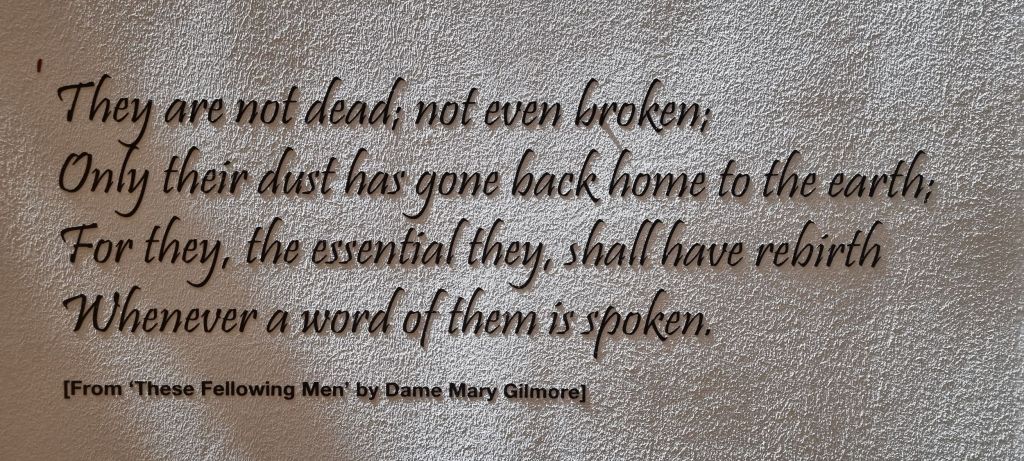
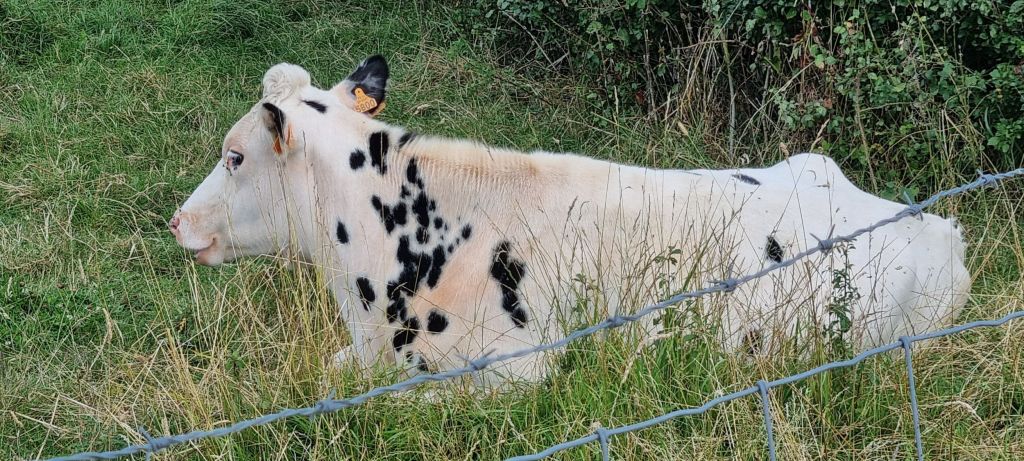
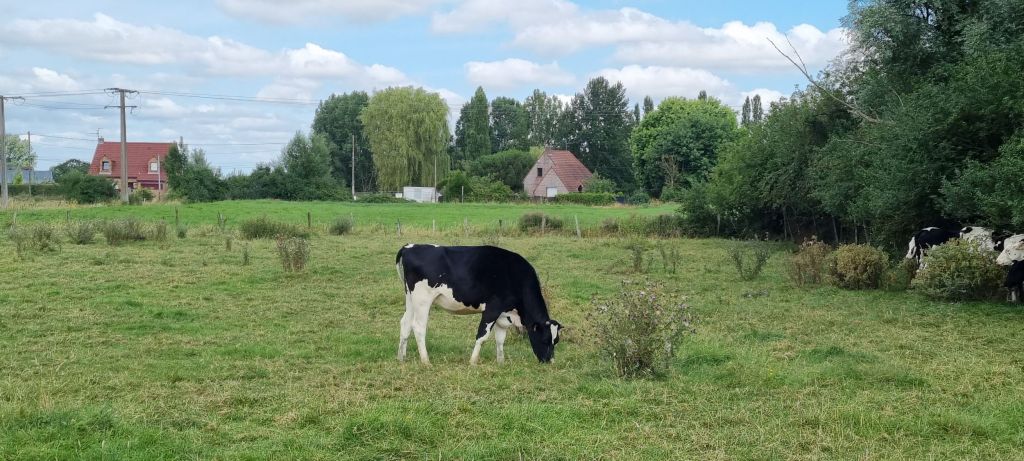
It’s a peaceful resting place, Pheasant Farm, surrounded by farmland and gentle grazing cows. I hope it’s brought peace to those for whom family members have finally been laid to rest.
 Miss Baci Travels