
There’s nothing quite like having a knowledgeable tour guide to expand one’s understanding. Whilst we’re often hampered by a lack of being able to speak French, for once it’s to our advantage.
The village of Sainte Croix en Jarez is named for the 13th century Carthusian monastery, a practicing order up until the French Revolution. The only way to tour the monastery is with a guide and as luck would have it, we’re early, the only ones on the tour and the guide is fluent in English. Score! A private tour it is.
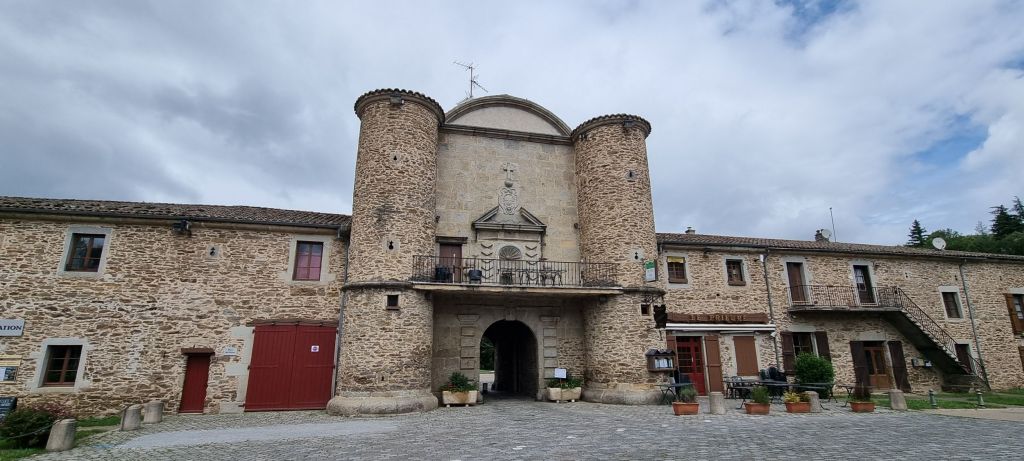
We learn that the Carthousian monks were originally part of the Benedictine order, but split to follow a simpler, introspective religious life. Whilst the Benedictines met to worship together six times a day and lived a communal life, the Carthusian life was underpinned by solitude, silence and worship in isolation. Even meals were taken alone. Extroverts and chatterboxs need not apply.
As with many orders, the monks relied on lay people, brothers, to support their religious devitions. There were an equal number of brothers to monks – between 12 and 15 of each. Whilst the monks were freed from domestic and manual labour, the brothers tended the kitchen garden, cooked, cleaned, laundered and generally acted in support of the order.
To facilitate this, the monastery was split into two squares each with their own courtyard. The more modest front section housed the brothers as well as a bakery (now the ticket office), the kitchen and self sufficient kitchen garden. Originally, it also featured a series of ponds, an early aquaculture, to provide a steady supply of fish for the kitchen. The Carthusians were pescatarians.

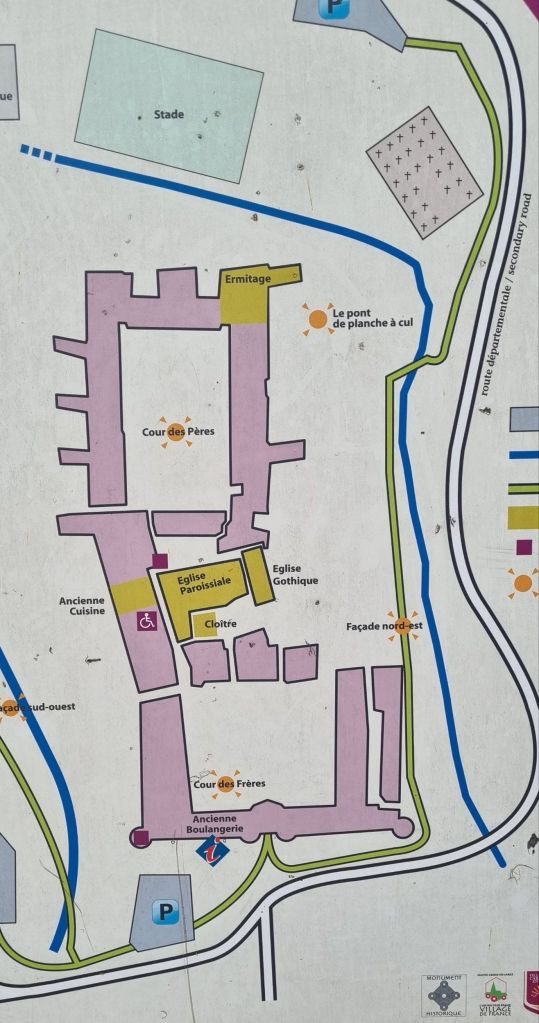
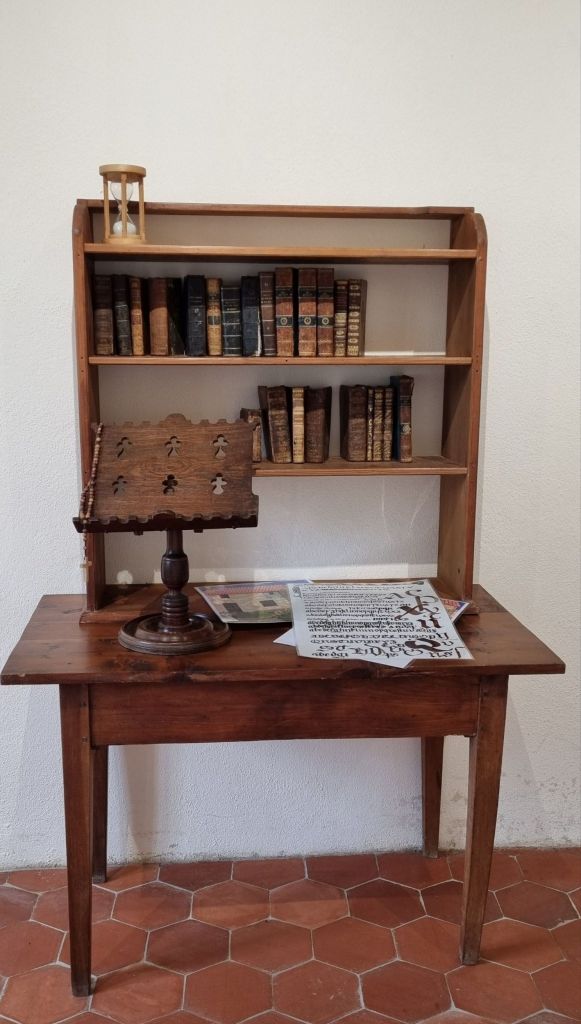
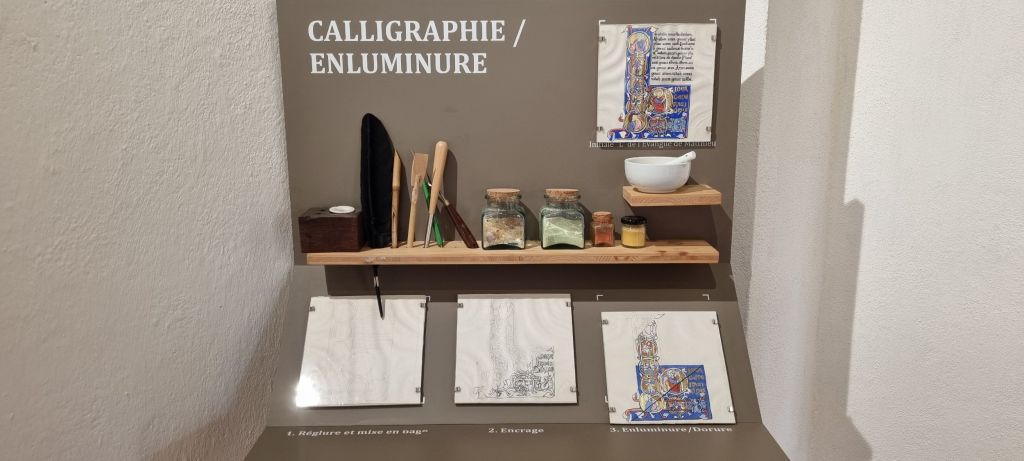
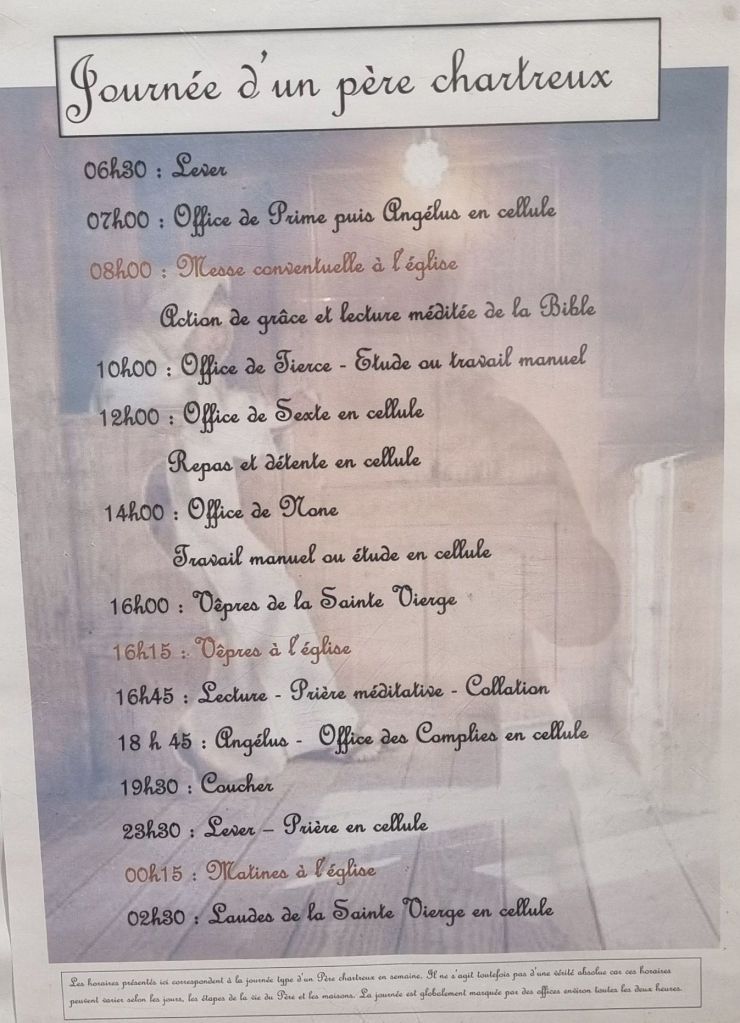
The rear square was reserved for the monks. Each had his own living quarters, which included a relatively large living area and enclosed wooden bed, a separate room for study/calligraphy, an ablutions ‘cupboard’, cunningly plumbed so that waste water fed through to the vegetable garden and a small private garden in which to potter and grow medicinal herbs and the like. By typical order standards of the time, the quarters are generous, in support of their solitary lives. We see the daily timetable with an unusual time of 12.15 am set for prayer – at the time each order had specific times for prayer, so that all any time of day an order somewhere was praying for the world. The Carthusians might have drawn the short straw with that timeslot.

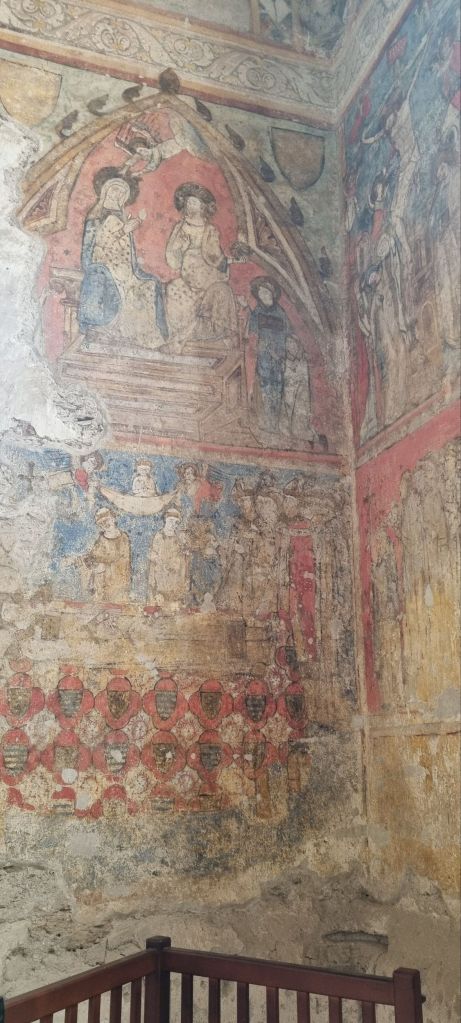
The five hectare site has quite a unique feature in that it sits a top a massive rock. The monastery was built around and over it on both sides. A small church was established first, in the 12th century with the separate squares built around it.

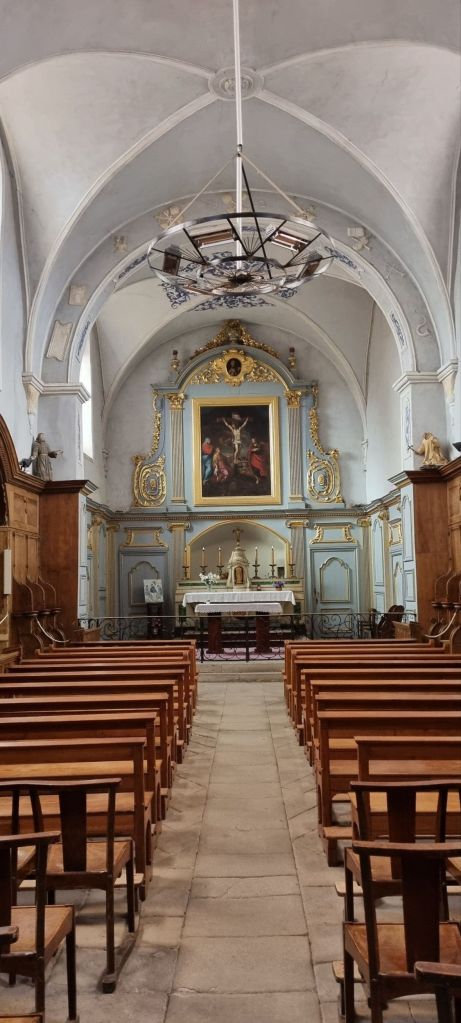
The original church is still present but it was replaced by a much larger church in the 17th century. The monks met for communal prayer there weekly, each sitting in a separate stall decorated with an individul cheeky figurine. Our guide explains that religious iconography couldn’t be used to decorate the stalls as bottoms couldn’t possibly touch something holy. 😂

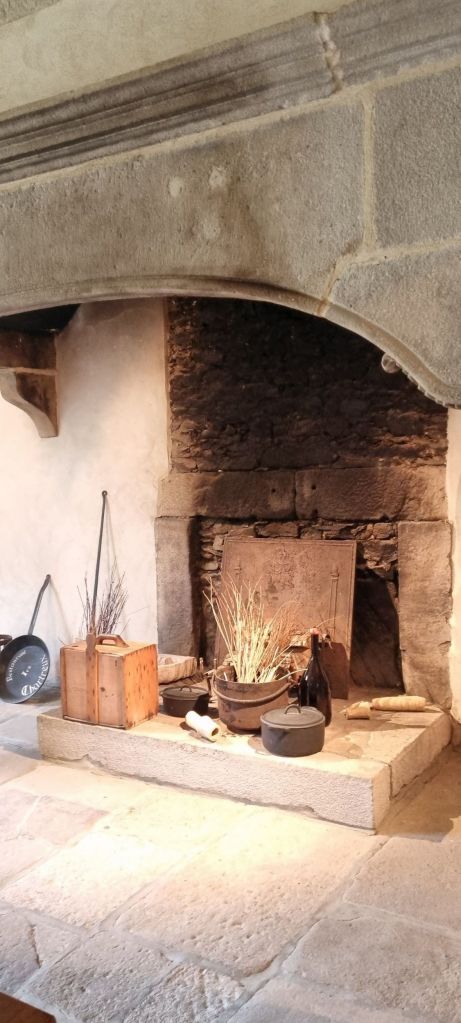
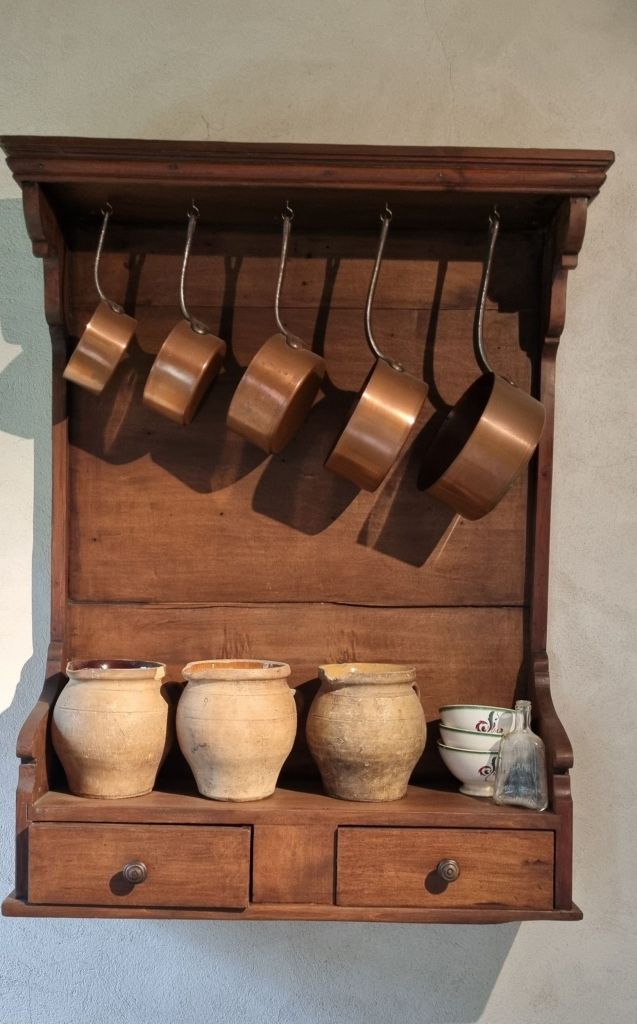
We tour the kitchen which features an enormous open fireplace, still scorched from cooking and a beautiful copper still, no doubt to frisk things up on cold nights. Surely even a monk does not live by prayer alone.

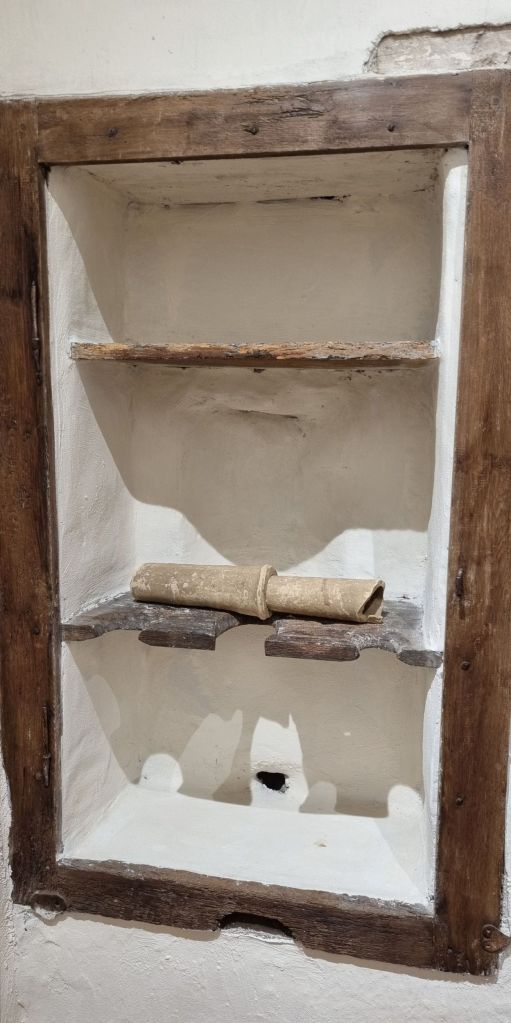
The Carthusians were a silent order, meeting only once a week for a walk through the surrounding grounds. Meals were served by the brothers through an ingenious medieval version of home delivery. The meal was popped inside the box below and delivered to each monks’ door. They were then free to lift the sliding side and access the meal without needing to interact with anyone.

Unlike many other religious orders, the Carthusians didn’t partake in typical areas of order focus, such as caring for the poor and infirm or providing education. Their hermit life was solely dedicated to silence, introspection and prayer. Most unusual.
The monastery is in an extraordinary state of preservation despite it having undergone a significant number of transformations through the centuries.
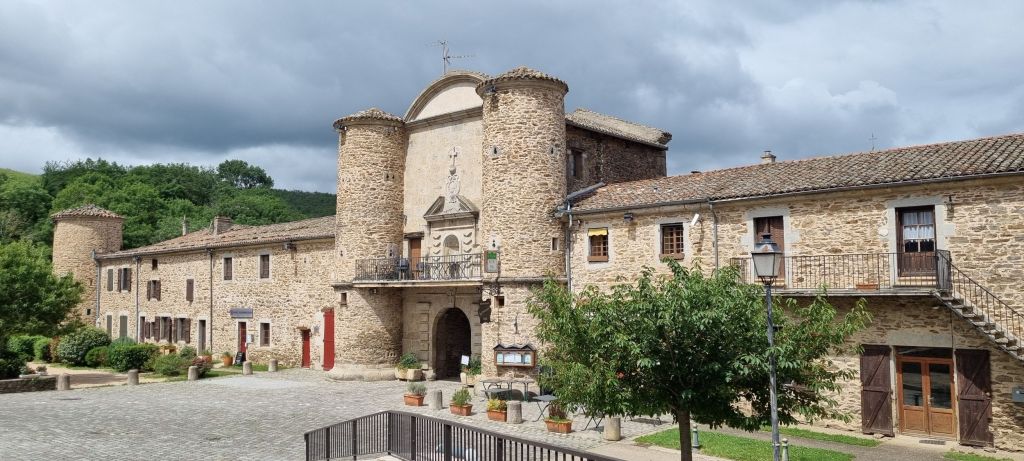
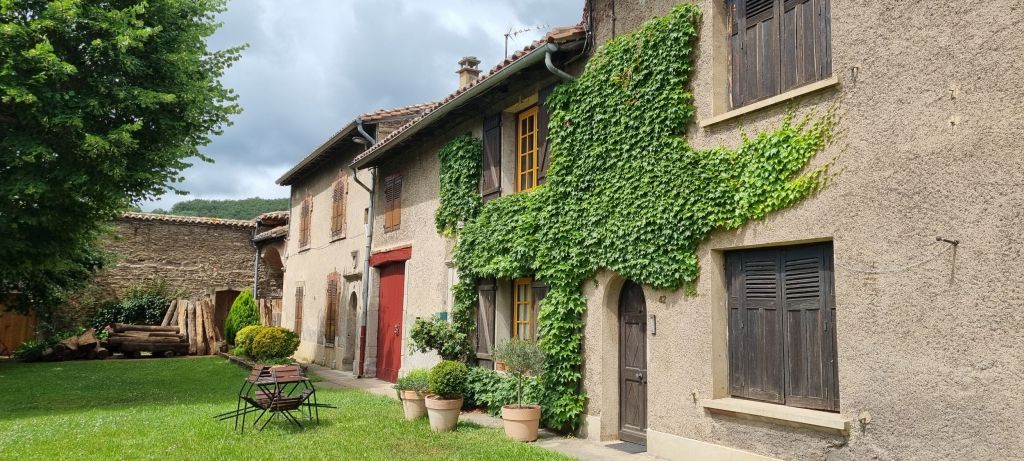
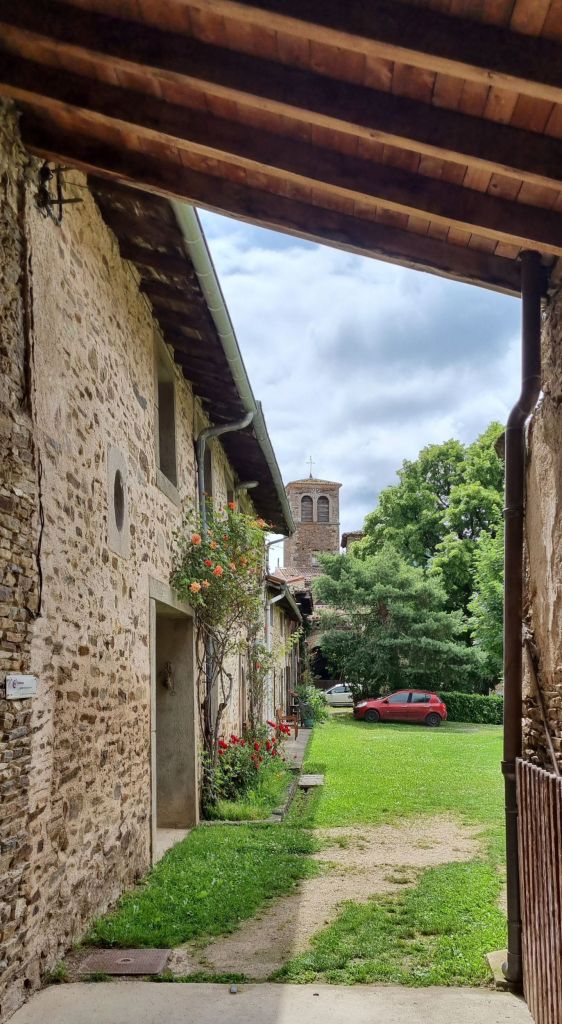
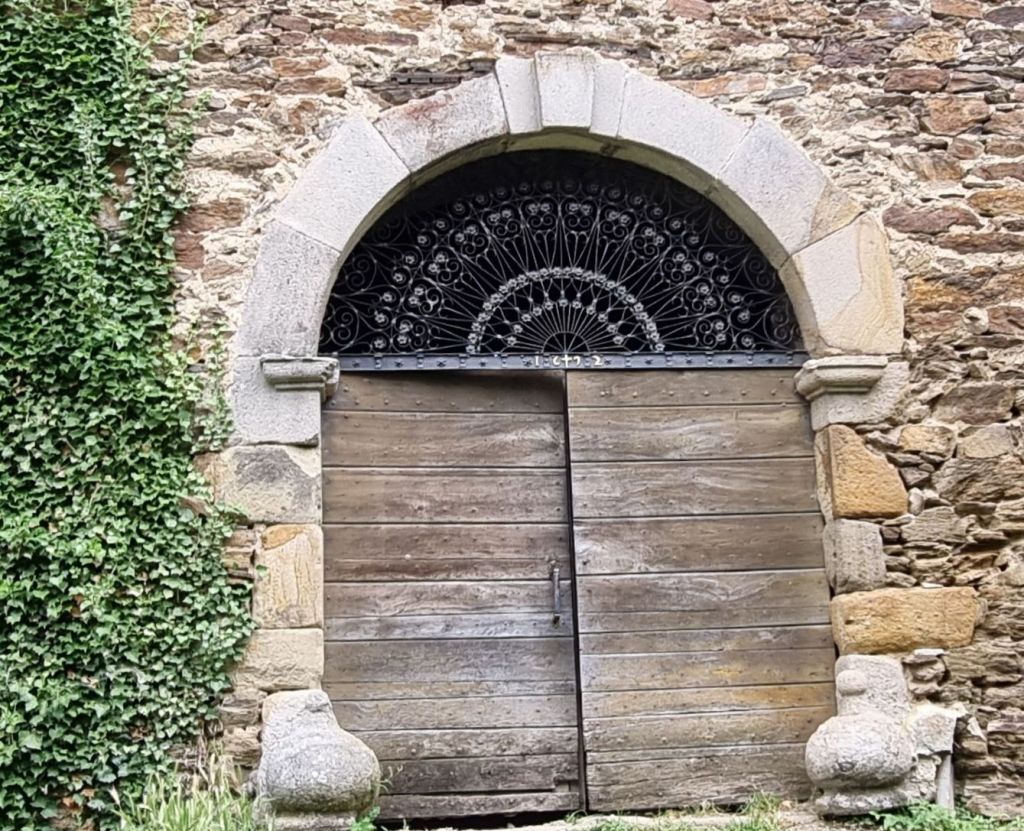
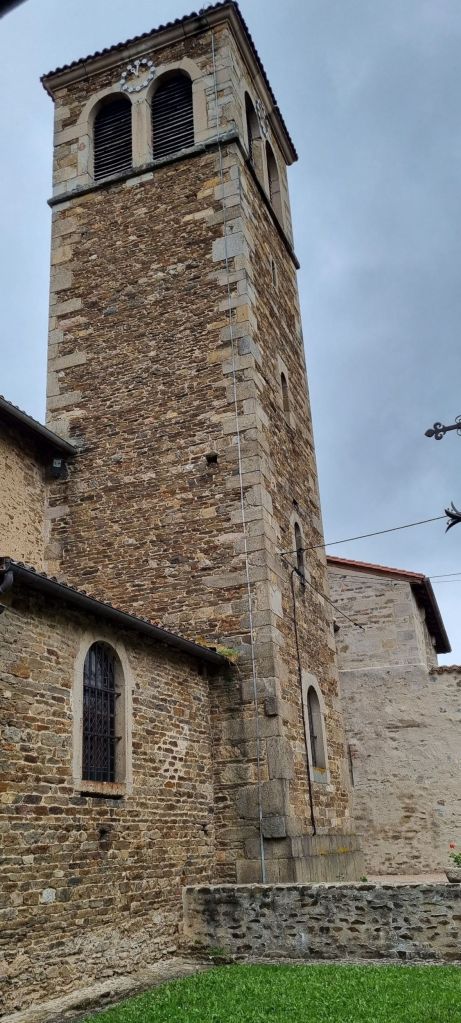
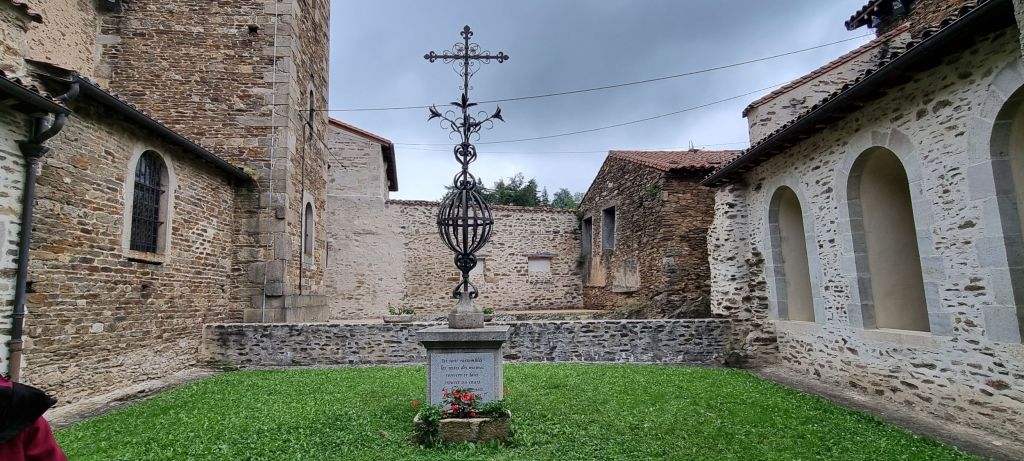
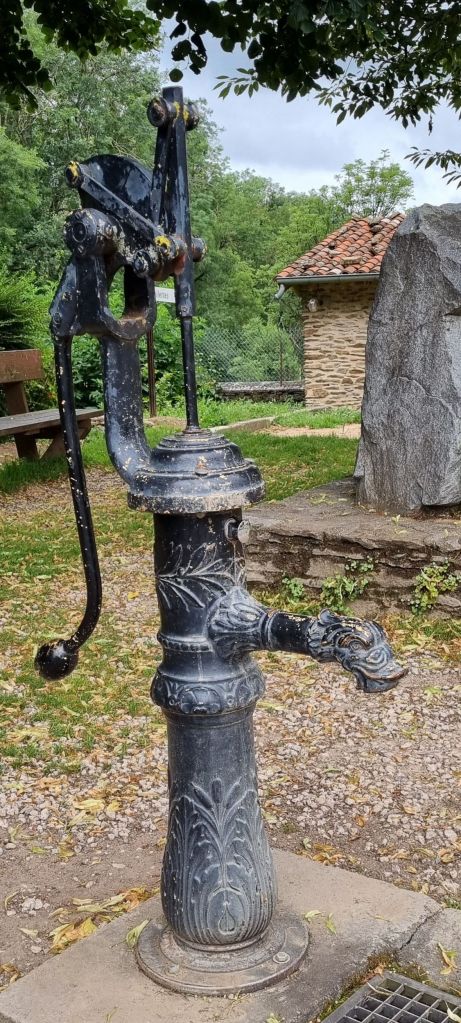
Today the buildings of the monastery form the village Sainte Croix en Jarez and are privately owned and protected from development. Our guide tells us that an American tried to buy one once, intent on development. A collective was formed by several residents who purchased it to protect it, personally taking on a 20-year mortgage to do so. One of the initiatives to fund the associated cost is the guided tour we’re on today.
It’s been an incredibly informative tour with our wonderful guide. We’ve learnt so much more about the monastery and the monks way of life than reading about it or trying to interpret notice boards with Google translate. What a privilege.
Sainte Croix en Jarez is truly unique Les Plus Beaux Village of France.
 Miss Baci Travels