
We leave the peaceful nook of Saint Martin de Fressengeas this morning. Himself has a plan to fill a 40 litre water tank as a back up – we’ve found the odd Aire with taps out of service. I think it’s unnecessary weight, but it’s not my call. It’s not not long before I hear an emergency squawk – he’s forgotten to check the closing seals and water is gushing through the garage. Luckily it’s an easy clean up.
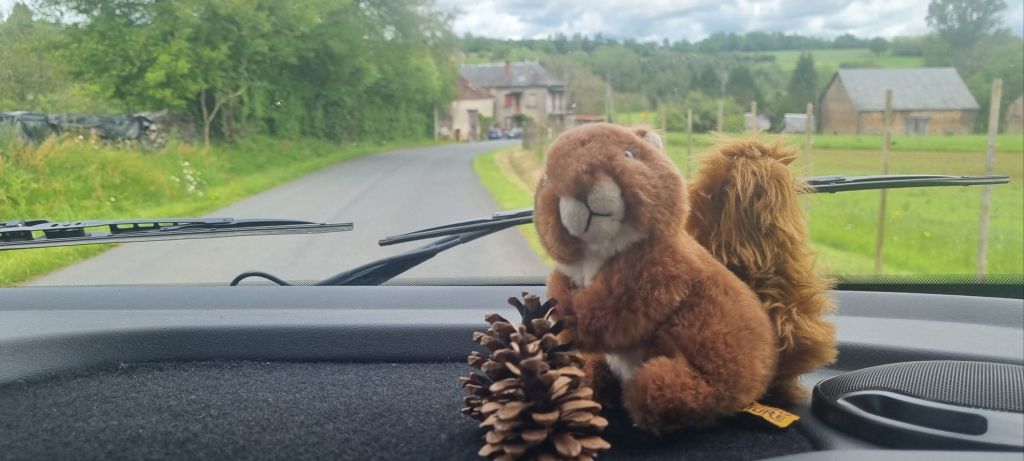
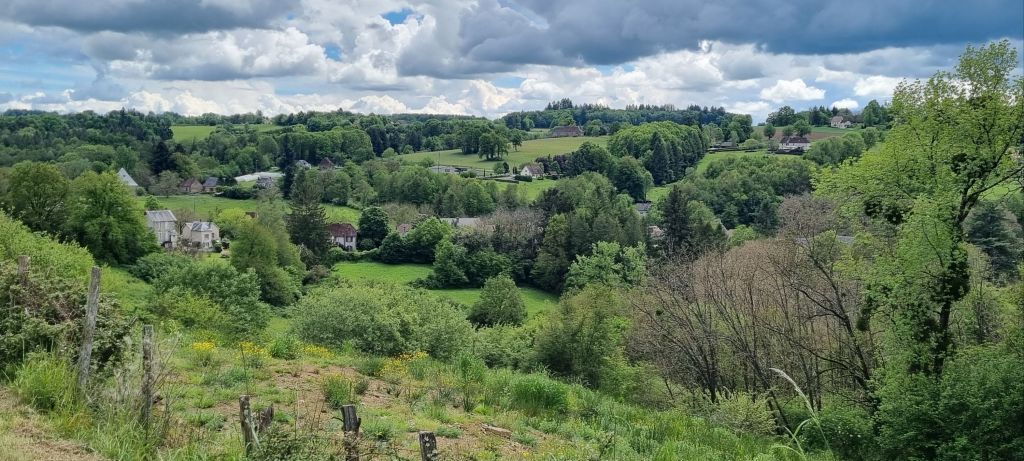
It’s not long before we’re on our way. We’re off to Segur-le-Chateau, birthplace of the Viscounts of Limoges, set on the Auvezere river. It’s a beautiful drive through gently undulating vibrantly green hills and flower meadows. Rivers are fast and high, and grass is so tall in places that cows are only visible from the shoulder up. An unprecedented wet Spring we’ve been told a number of times.
Segur-le-Chateau is nestled deep in a series of hills – excellent fortification for the Middle Ages but a challenging approach in a 5 tonne vehicle. But the hills are nothing compared to the narrow streets once we cross the bridge. Nope says he, temporarily forgetting his Fearless nickname and takes us on a long loop. TomTom says we can fit says I, and in a second attempt, fit we do, but it’s by whiskers. There’s no pressure like the pressure of not hitting a revered building, hundreds of years old.
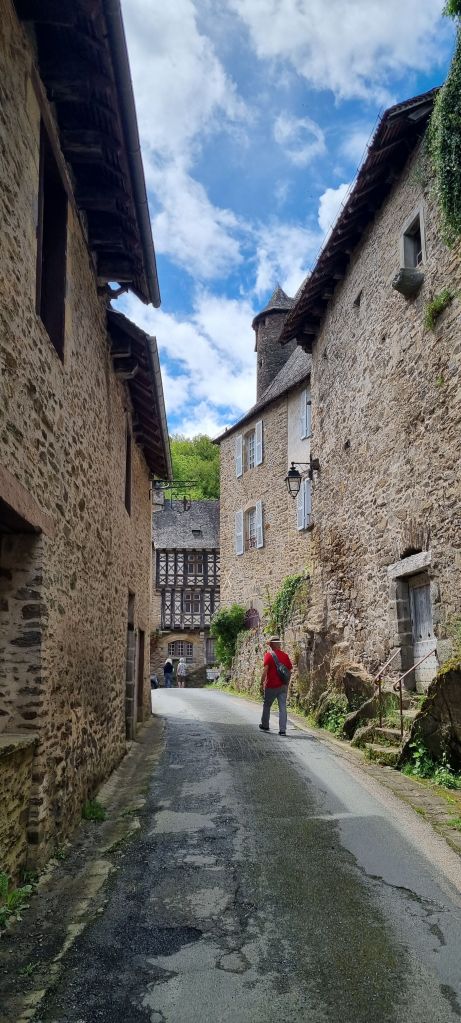
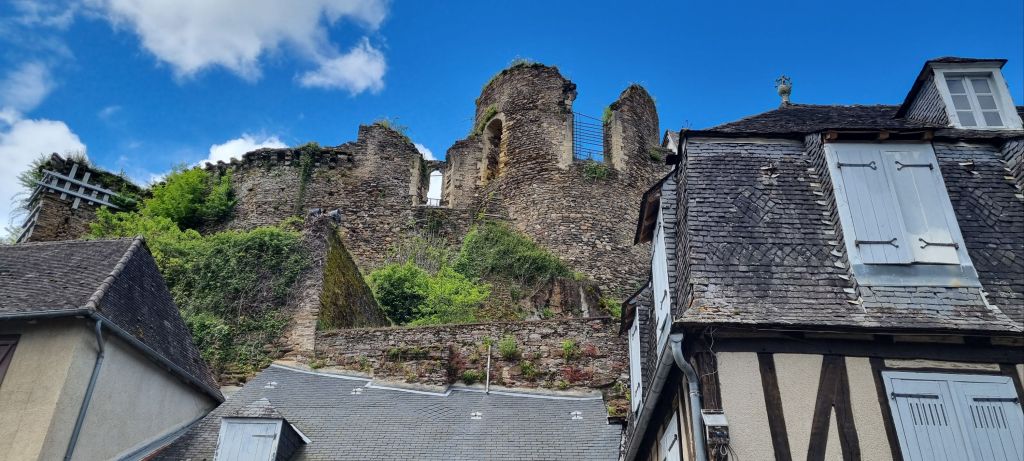

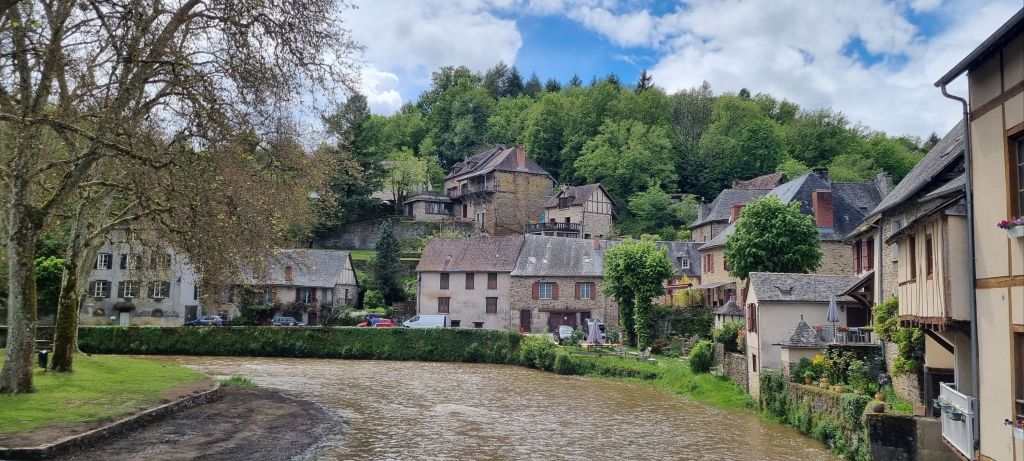
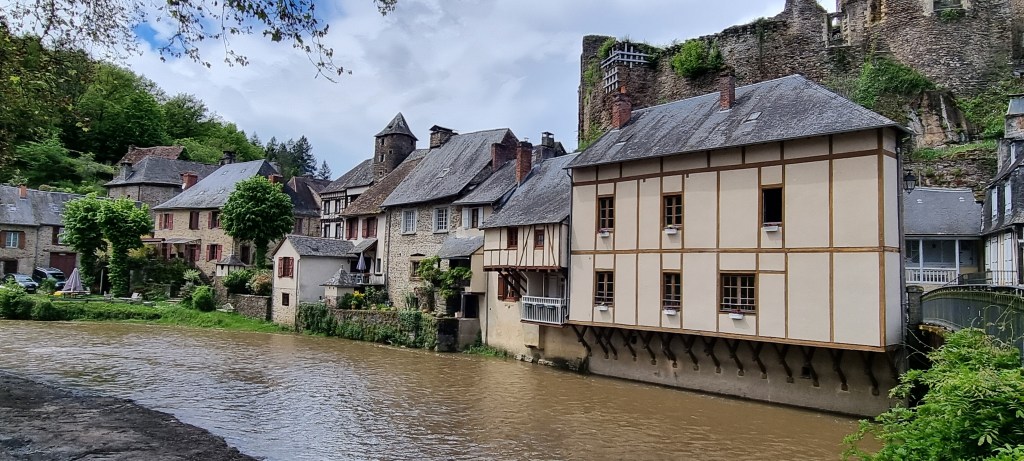
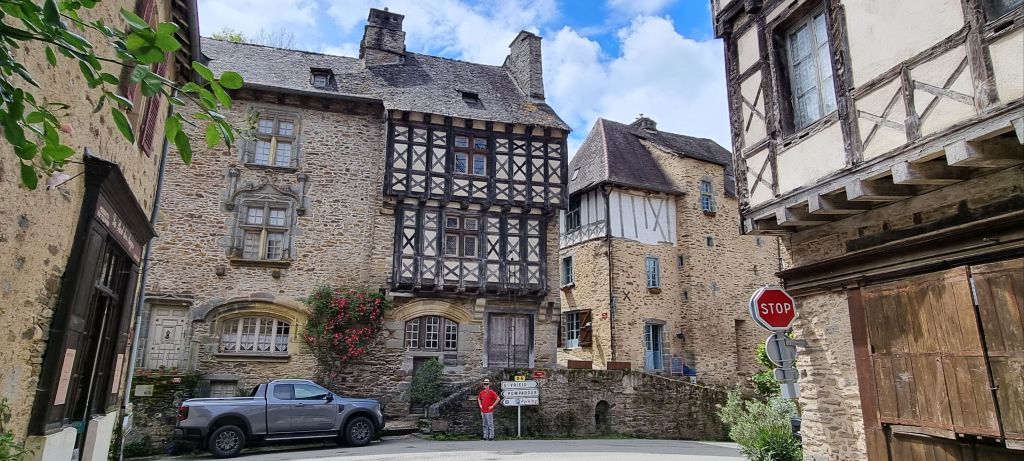
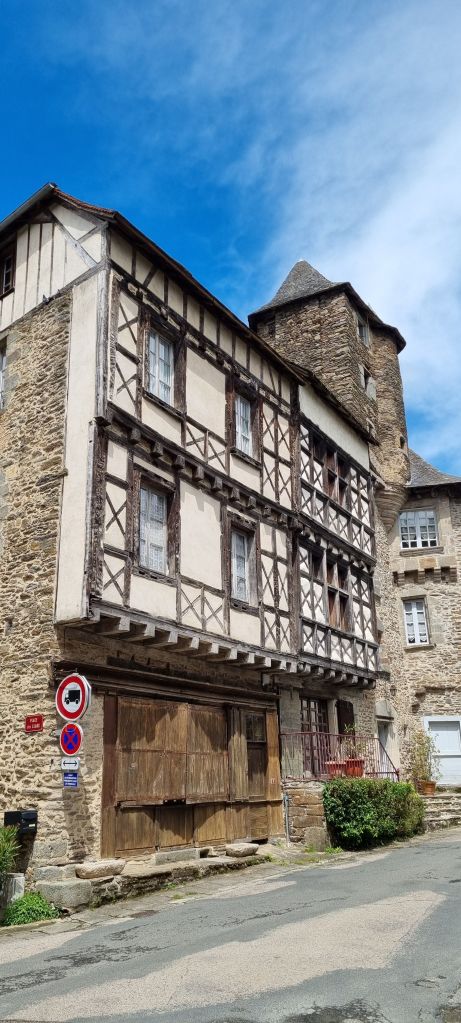
It’s a truly beautiful spot. Once protected by a series of surrounding fortifications, only one now remains looking over the village. Half timbered houses abound, including one built by Henry IV (on the right, below). The fancy window is a giveaway to its royal history. You might notice that the upper floors of some of the houses have an overhang – we’ve seen this before and put it down to an oddity of ancient architecture, but no. It’s because of taxes. At the time of building, you were taxed on the dimensions of the ground level. Sneaking in extra space on the second and subsequent floors was an early bird tax loop. Death and taxes, the only constants in life it seems.
At the base of the valley, the river rages across a fall. There’s a side slip through an old mill with an enormous millstone on display. In the middle ages, locals paid the Viscount to mill thier grain into flour. From the 19th century, water flow provided the village with electricity.
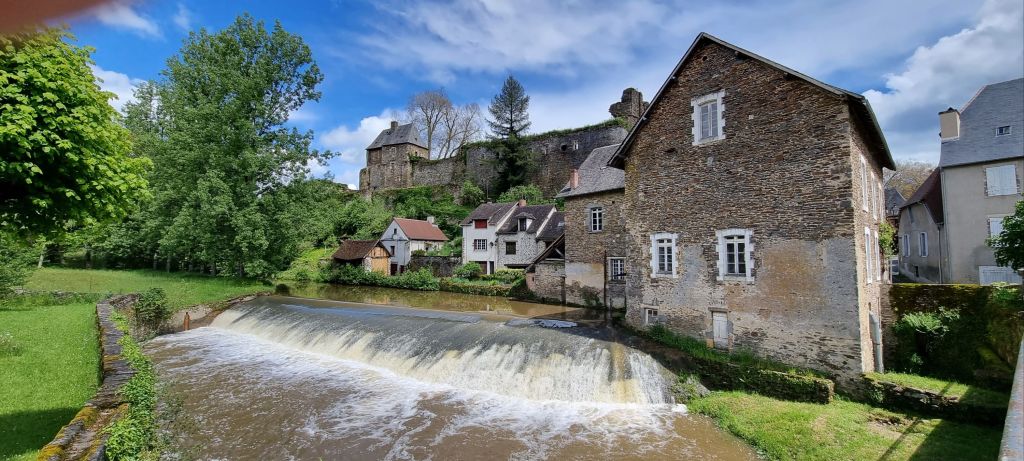
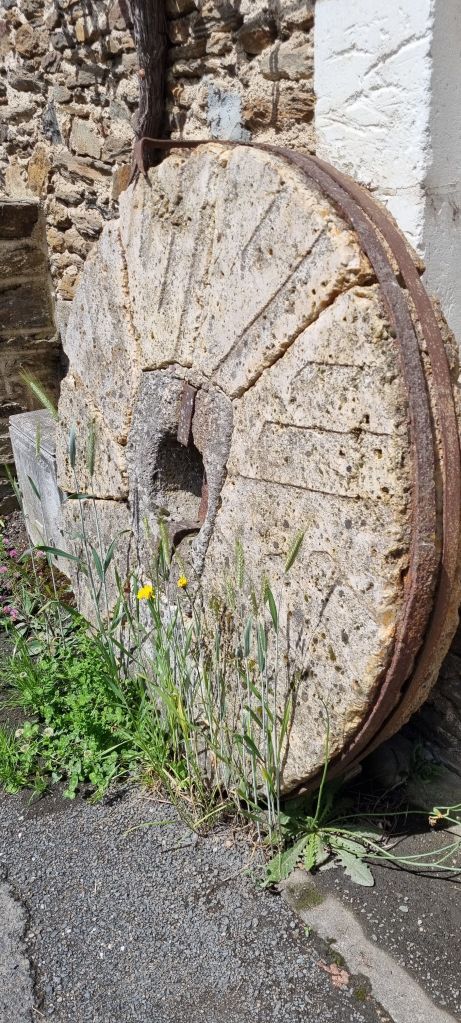
Segur le Chateaue’s prosperity driver was during the 15th to 18th centuries whence it served as the court of appeal for the 300+ estates between Perigord and Limousin. It’s this period that reflects in the buildings we see today.
One thing Segur-le-Chateau offers is exercise. We parked atop the village in a picnic area. It’s a steep walk back with beautiful views. After a days exploring we hike back up and see a young deer nibbling away at the edge of the forest. It’s a statue, says he, proved wrong when she lifts her delicate little head in response to our voices.

 Miss Baci Travels